The Coyote (Canis latrans): North America's Adaptive Wild Dog
Few animals embody the spirit of the American wilderness quite like the coyote. Known scientifically as Canis latrans — a Latin phrase meaning "barking dog" — the coyote is one of North America's most recognizable, resilient, and fascinating wild canids. From the sun-baked deserts of the Southwest to the boreal forests of Alaska, this medium-sized predator has carved out a remarkable niche across an extraordinarily diverse range of landscapes. Whether you hear its haunting howl echoing across an open meadow at dusk or catch a fleeting glimpse of its tawny form slipping through tall grass, an encounter with a coyote is a genuine reminder of the wildness that still thrives across this continent.
The coyote's story is one of extraordinary adaptability. While many large predators have seen their ranges contract significantly over the past two centuries, the coyote has done the opposite — expanding its territory, thriving alongside human development, and demonstrating a behavioral flexibility that continues to impress wildlife biologists and outdoor enthusiasts alike. For hunters, wildlife watchers, and anyone who spends meaningful time outdoors, understanding the coyote is both a practical necessity and a deeply rewarding pursuit.
Biological Traits
The coyote (Canis latrans) belongs to the family Canidae, making it a close relative of the domestic dog, the gray wolf, and the red fox. It is a member of the order Carnivora and the genus Canis, which it shares with wolves and domestic dogs. Genetically, coyotes are remarkably close to gray wolves (Canis lupus), and in some regions, particularly in the northeastern United States and eastern Canada, coyotes have interbred with wolves and domestic dogs to produce hybrid populations sometimes referred to colloquially as "coywolves." These eastern coyotes tend to be noticeably larger than their western counterparts, reflecting this genetic intermixing.
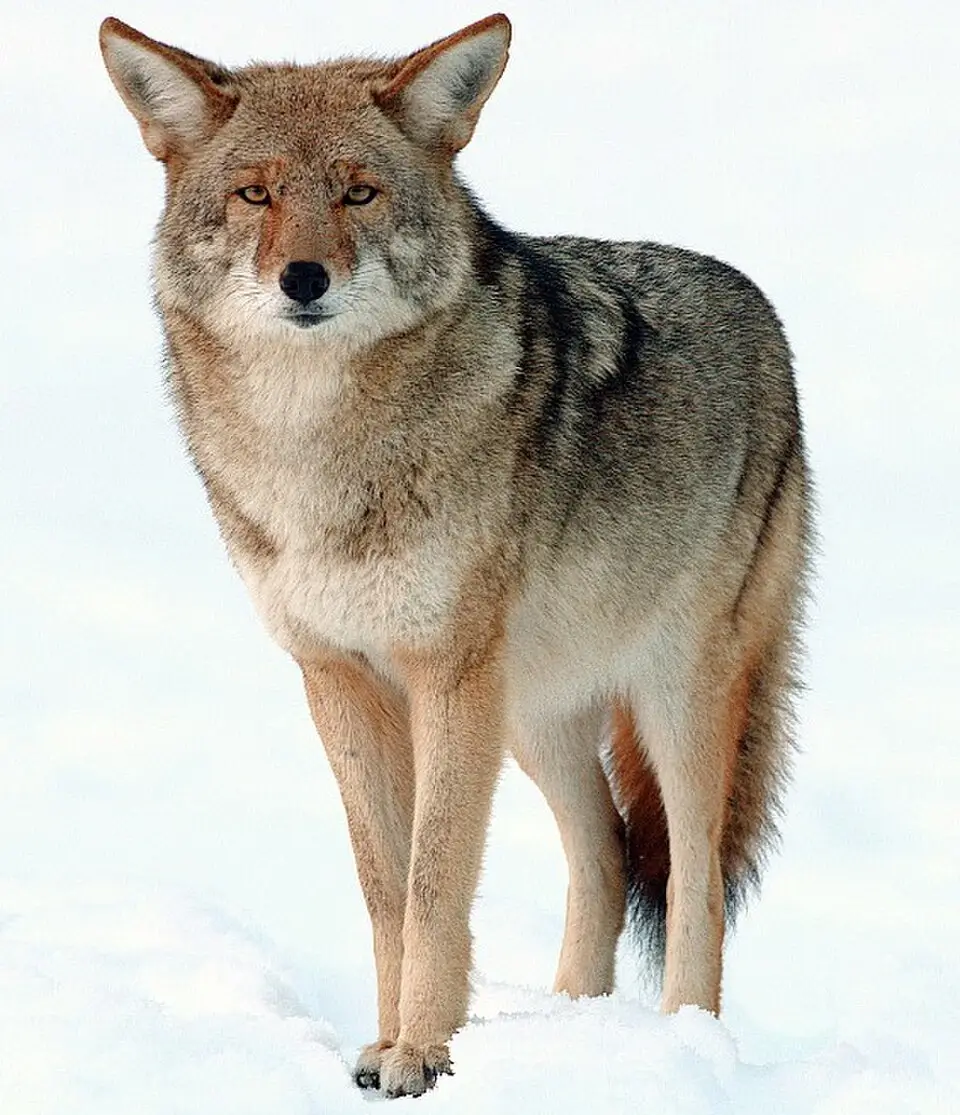
Physically, coyotes are medium-sized canids with a lean, athletic build well-suited to both pursuit predation and opportunistic scavenging. They typically have a pointed muzzle, large and erect ears, and a bushy tail that they carry low — a trait that distinguishes them from wolves, which often carry their tails horizontally, and from domestic dogs, which frequently carry their tails upright. Their coat coloration varies considerably across their range, but generally consists of a mix of gray, brown, tan, and buff tones, often with reddish tints on the legs and ears and a pale or white underbelly. This coloration provides excellent camouflage across a wide range of habitats.
One of the coyote's most celebrated traits is its highly developed sensory system. Coyotes possess exceptional hearing, an acute sense of smell, and sharp eyesight — a combination that makes them extraordinarily effective hunters and supremely difficult to approach undetected. These same senses, paired with a natural wariness of humans, make hunting coyotes one of the more challenging and skill-intensive pursuits available to North American hunters.
Coyotes are omnivores with a remarkably broad diet. While they are capable predators of small mammals such as rabbits, hares, mice, voles, and ground squirrels, they will readily consume birds, reptiles, insects, fruits, berries, carrion, and even human refuse when the opportunity arises. This dietary flexibility is a key driver of the species' extraordinary adaptability and has allowed coyotes to thrive in environments ranging from remote wilderness to suburban backyards.
Socially, coyotes are flexible as well. They may live as solitary individuals, mated pairs, or in small family groups depending on habitat conditions and prey availability. They are monogamous breeders, typically mating in late winter, with pups born in spring after a gestation period of approximately 63 days. Litter sizes can vary but commonly range from four to seven pups, and both parents participate actively in raising the young. This strong parental investment, combined with a rapid reproductive rate, allows coyote populations to recover quickly from periods of heavy mortality — a biological trait that has significant implications for population management.
The coyote is also famously vocal. Its repertoire of howls, yips, barks, and yelps serves a range of communicative functions, from advertising territory and maintaining contact between pack members to coordinating hunts and bonding socially. The iconic coyote howl — often described as a series of high-pitched yips followed by a prolonged, wavering wail — is one of the most evocative sounds in all of North American nature.
Habitat & Range
The coyote's range is one of the broadest of any wild canid in the world. Originally native to the open prairies and semi-arid landscapes of western North America, the coyote has expanded dramatically over the past century and a half, colonizing habitats that range from the Arctic tundra of Alaska and Canada to the tropical environments of Central America and Panama. This range expansion represents one of the most remarkable wildlife success stories on the continent.
In Alaska, coyotes occupy a variety of habitats, including open tundra, forest edges, river valleys, and areas near human settlements. Alaska represents the northern edge of the species' range in many respects, and coyotes in this region demonstrate the same adaptability that has defined the species throughout its history. The availability of prey — snowshoe hares, rodents, birds, carrion from moose and caribou, and fish — provides coyotes with the dietary resources necessary to survive and thrive in Alaska's demanding northern environment.
Across the broader continent, coyotes are found in deciduous and mixed forests, grasslands, shrublands, agricultural lands, wetlands, and even densely populated urban and suburban areas. The species' ability to exploit fragmented and human-modified landscapes has been particularly important to its range expansion. In many ways, the clearing of forests for agriculture and the extirpation of wolves from much of their former range opened vast new territories for coyote colonization — a testament to this species' ecological opportunism.
Coyotes are primarily crepuscular and nocturnal, meaning they are most active during the hours around dawn and dusk and through the night. However, particularly in areas with lower human disturbance, they may be observed moving and hunting at any hour of the day.
Hunting Information
Coyote hunting is a legal, widely practiced, and ecologically significant activity across much of North America, including Alaska. Hunters pursue coyotes for a variety of reasons, including wildlife management, fur harvesting, and the considerable sporting challenge the species presents. Coyote hunting requires a high degree of skill, patience, and knowledge of animal behavior, making it a pursuit that is both demanding and deeply rewarding.
Electronic and mouth-blown calls that mimic the distress calls of prey animals — such as rabbits or rodents — are among the most popular and effective tools for attracting coyotes within range. Hunters also use howls and other vocalizations to locate and draw in animals. Successful coyote hunting typically requires careful attention to wind direction, effective camouflage, and a thorough understanding of coyote movement patterns and behavior.
Because coyote hunting regulations vary significantly by state and jurisdiction, anyone planning to hunt coyotes in Alaska or any other state should consult the most current, official regulations from their state fish and wildlife agency before heading afield. Regulations may address licensing requirements, season dates, legal equipment, and bag limits. Always verify current rules directly with the Alaska Department of Fish and Game or the relevant authority in your state to ensure full compliance.
Conservation
The coyote occupies a complex and important role in North American ecosystems. As a mesopredator — a predator occupying a middle position in the food web — coyotes help regulate populations of small and medium-sized mammals, which in turn influences vegetation structure and the abundance of other wildlife species. This regulatory function can have cascading effects throughout the ecosystems coyotes inhabit, contributing to what ecologists describe as a trophic cascade.
Despite a long history of targeted control programs, the coyote has demonstrated a remarkable ability to withstand significant population pressure. Biological research has shown that coyote populations can compensate for mortality through increased reproduction and immigration, making long-term population suppression through lethal control alone extraordinarily difficult. This resilience underscores the importance of understanding coyote biology when designing wildlife management programs.
From a conservation standpoint, the coyote is currently classified as a species of Least Concern by the International Union for Conservation of Nature (IUCN), reflecting its wide distribution, large population size, and robust adaptability. The species faces no significant extinction risk in the foreseeable future. Responsible hunting and trapping, conducted in accordance with applicable regulations, represent time-honored tools for managing coyote populations where necessary and for maintaining the important traditions of wildlife harvest that connect people to the natural world.
The coyote's story is ultimately one of extraordinary resilience, intelligence, and adaptability — qualities that have allowed this remarkable animal to not only survive but flourish in a rapidly changing world. For the hunters, wildlife enthusiasts, and conservationists who share the landscape with Canis latrans, the coyote represents both a formidable challenge and a source of enduring wonder.