The Cougar: North America's Most Versatile Large Predator
A Comprehensive Guide to Puma concolor
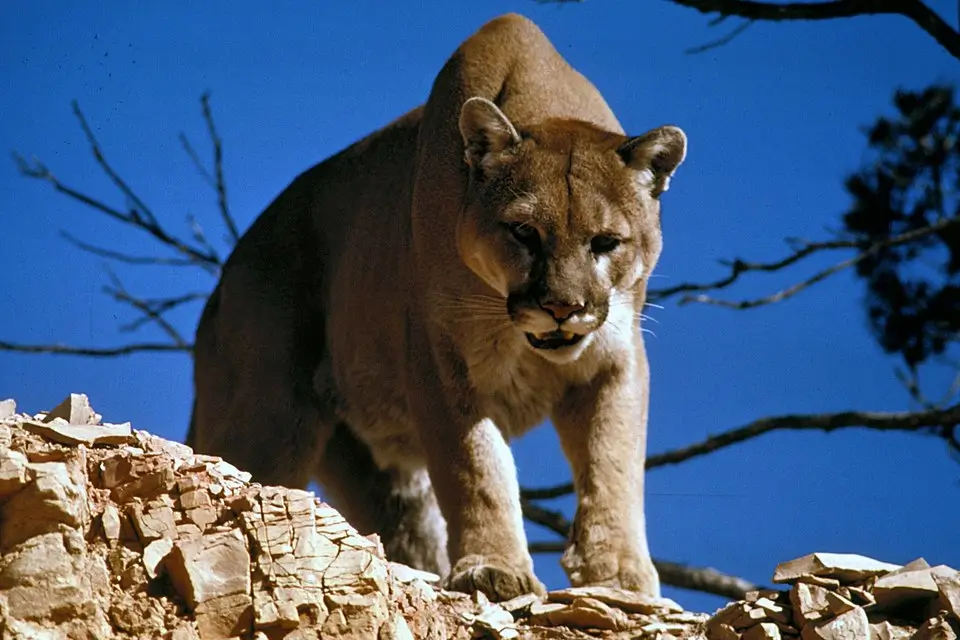
Few animals command the same level of awe, respect, and fascination as the cougar. Known by more common names than virtually any other mammal in the Western Hemisphere — mountain lion, puma, panther, catamount, and painter among them — this magnificent large cat has captured the imagination of hunters, wildlife enthusiasts, and naturalists for centuries. The cougar holds the remarkable distinction of being the most widely distributed wild land mammal in the entire Western Hemisphere, ranging from the frigid reaches of Canada's Yukon Territory all the way down to the windswept tip of South America's Patagonia region.
For hunters, trackers, and wildlife observers alike, the cougar represents one of the most challenging and rewarding pursuits in the outdoor world. Elusive by nature, breathtakingly agile, and supremely adapted to a remarkable variety of environments, the cougar embodies everything that makes North America's wilderness so compelling. Whether you are a seasoned hunter pursuing this apex predator with hounds, a wildlife photographer hoping to capture a fleeting glimpse in the backcountry, or simply a curious naturalist wanting to understand one of the continent's most important ecological players, the cougar deserves serious study and profound respect.
This article offers a comprehensive look at the biology, habitat, range, hunting traditions, and conservation status of this extraordinary animal — one that continues to thrive across much of its historic range while remaining one of the most secretive creatures in the wild.
Biological Traits
The cougar (Puma concolor) belongs to the family Felidae and is classified within the subfamily Felinae, making it more closely related to the domestic cat and the cheetah than it is to the lion or tiger, despite its impressive size. The species name concolor is Latin for "of uniform color," a fitting description for an animal whose coat is typically a consistent tawny, tan, or grayish-brown across most of its body, fading to lighter shades on the underparts and around the muzzle.
The cougar is the second largest cat in the Western Hemisphere, surpassed only by the jaguar. Adult males are significantly larger than females — a characteristic known as sexual dimorphism — and can reach impressive sizes depending on geography and available prey. The cougar's body is built for explosive athleticism rather than long-distance pursuit. It features a small, rounded head relative to its body size, powerful hindquarters, a deep chest, and a long, heavy tail that aids in balance and agility during high-speed chases and navigating difficult terrain.
One of the cougar's most defining physical characteristics is its remarkable jumping ability. This animal is capable of leaping distances that would seem almost impossible for a creature of its mass. Vertical leaps of considerable height and long horizontal bounds allow it to navigate rocky cliffs, scale trees, and ambush prey from elevated positions with stunning precision. Its padded paws are large and well-suited for silent movement, contributing to its legendary stealth.
Unlike many of the world's great cats, the cougar cannot roar. Instead, it communicates through a range of vocalizations that include whistles, chirps, purrs, and the famously eerie scream — a high-pitched, almost human-sounding cry that has startled and unsettled many a backcountry traveler at night. The ability to purr rather than roar is a trait shared with the smaller cats of subfamily Felinae.
Cougars are solitary and highly territorial animals. Adult males maintain large home ranges that may overlap with those of several females but rarely with those of other males. Communication between individuals is largely achieved through scent marking — scraping mounds of dirt and debris, urinating, and leaving claw marks on trees — all of which convey information about identity, sex, and reproductive status.
As obligate carnivores, cougars are highly efficient predators. Deer, particularly mule deer and white-tailed deer, form the cornerstone of the cougar's diet across most of its range. However, this adaptable hunter is also known to take elk, bighorn sheep, pronghorn, wild horses, and a wide variety of smaller prey when the opportunity arises. The cougar employs a classic ambush hunting strategy, using its extraordinary stealth to approach prey closely before launching a swift, powerful attack typically targeting the neck and skull.
Reproduction in cougars follows no fixed seasonal schedule, though births tend to peak in certain regions during warmer months. Females raise their young — called kittens or cubs — entirely on their own. Litters typically consist of two to four cubs, which are born spotted and blue-eyed, with the distinctive markings fading as they mature. Cubs remain with their mother for an extended period, learning the complex skills of hunting and territorial navigation before eventually dispersing to establish their own home ranges.
Habitat & Range
The cougar's extraordinary geographical range speaks volumes about the animal's adaptability. Puma concolor has been documented in a staggering diversity of ecosystems: dense temperate rainforests, arid desert scrublands, high alpine terrain, tropical lowland jungles, open grasslands, and swampy coastal environments. This flexibility makes the cougar unique among the world's large carnivores and has allowed it to persist across vast swaths of the Americas where many other apex predators have long since disappeared.
In North America, the cougar is found throughout much of the western United States and Canada, including states and provinces with significant wilderness areas such as Montana, Idaho, Wyoming, Colorado, California, Oregon, Washington, and British Columbia. In the East, cougar populations are far more limited, though there is ongoing evidence of dispersing individuals moving into previously unoccupied territory. Florida is home to the critically important Florida panther (Puma concolor coryi), a recognized subspecies that represents the last known breeding cougar population in the eastern United States.
In Alaska, the cougar occupies a unique and somewhat peripheral position. While the state's vast wilderness of mountains, forests, and rugged terrain would seem ideal for such a wide-ranging predator, cougars are not considered an established resident population in most of Alaska. Occasional sightings and reports do emerge, likely representing dispersing young animals exploring new territory, a behavior common among juvenile cougars — particularly young males — who may travel extraordinary distances from their birth areas in search of unoccupied home ranges.
Regardless of the specific environment, cougars consistently prefer habitats that provide adequate cover for stalking prey, rocky outcroppings or dense vegetation for denning, and access to reliable prey populations. Terrain complexity is generally favored, as it supports the ambush hunting style that makes this predator so effective.
Hunting Information
The cougar has a long and storied history as a game animal in North America, representing one of the most demanding and skill-intensive pursuits available to hunters on the continent. Hunting cougars traditionally involves the use of trained hounds, which track and tree the animal, allowing hunters to approach on foot through often challenging terrain. This method demands extraordinary conditioning, expert dog handling, and a deep familiarity with backcountry navigation — skills honed over years of dedicated effort.
Cougar hunting is regulated at the state and provincial level throughout North America, with management agencies carefully monitoring populations and setting harvest guidelines accordingly. Regulations vary significantly by jurisdiction and can include season dates, licensing requirements, tag systems, and method-of-take restrictions. Because cougar management is highly localized and subject to change, it is absolutely essential that any hunter planning to pursue this species consult directly with the relevant state or provincial wildlife agency for the most current and accurate regulatory information.
In Alaska specifically, hunters and wildlife enthusiasts interested in cougar-related regulations and any applicable opportunities should contact the Alaska Department of Fish and Game directly, as official guidance is the only reliable source for current legal requirements in the state.
Beyond regulated hunting, the cougar also plays an important role in wildlife management as a natural regulator of deer and elk populations — a fact that connects hunters and conservationists in a shared appreciation for this predator's ecological role.
Conservation
The conservation story of the cougar is, in many respects, a success story — particularly when compared to the fate of other large predators around the world. While the cougar was subjected to widespread persecution throughout much of the 19th and early 20th centuries, with bounty programs leading to dramatic population declines across North America, the species has demonstrated considerable resilience and has recovered meaningfully across large portions of its range.
Today, the cougar is listed as a species of Least Concern on the IUCN Red List, reflecting its broad distribution and relatively stable populations across much of its range. However, this overall status masks significant regional variation. The Florida panther, for example, remains one of the most endangered mammals in North America, with conservation efforts including genetic rescue programs helping to stabilize and slowly grow a population that once dwindled to dangerously low numbers.
Key conservation challenges for cougars include habitat fragmentation caused by roads and development — which can isolate populations and reduce genetic diversity — as well as ongoing conflicts with livestock operations in areas where wild prey populations are reduced. Wildlife agencies, conservation organizations, and researchers continue to work on strategies such as wildlife corridors, coexistence programs, and public education initiatives to support long-term cougar population health.
Hunters have historically contributed significantly to cougar conservation through license and tag fees that fund wildlife management programs. This hunter-supported conservation model remains a vital component of maintaining healthy cougar populations and the wild landscapes they depend upon.
The cougar's future across much of North America looks bright, a testament to the animal's extraordinary adaptability and to the dedication of wildlife managers and conservationists who recognize its irreplaceable value as an apex predator and a symbol of wild, untamed landscapes.