The Cottontail Rabbit: America's Most Beloved Small Game Animal
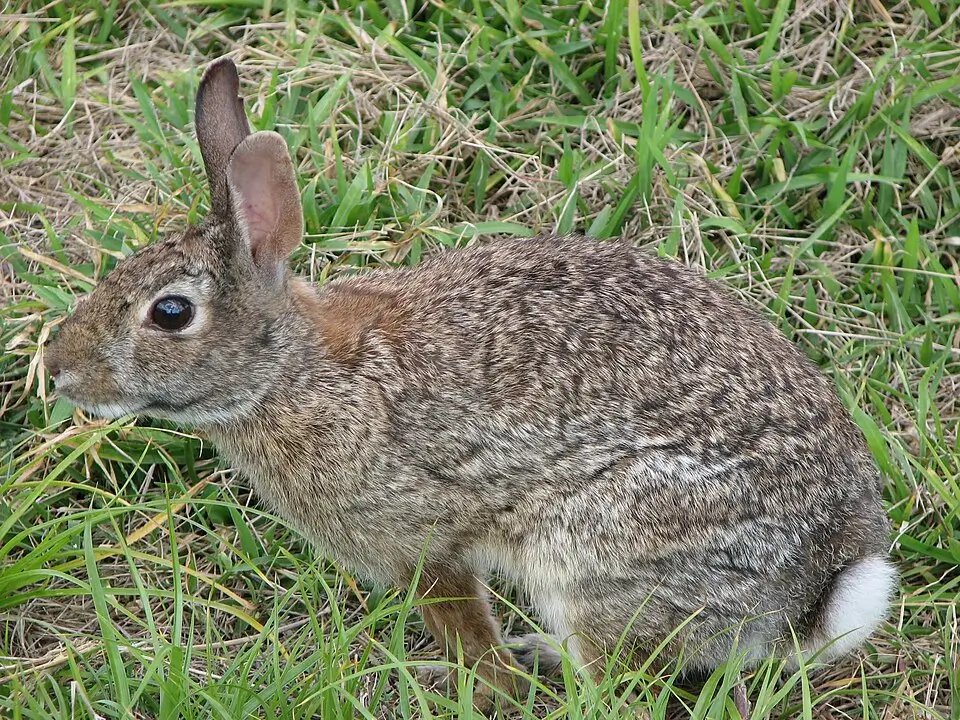
Few animals are as deeply woven into the fabric of North American wildlife culture as the cottontail rabbit. Recognized instantly by its fluffy white tail, alert brown eyes, and characteristic bounding gait, the cottontail is a staple of meadows, brushy thickets, forest edges, and suburban backyards from coast to coast. For generations of hunters, naturalists, and wildlife enthusiasts alike, the cottontail rabbit has represented one of the most accessible and rewarding wildlife experiences the outdoors has to offer.
Belonging to the genus Sylvilagus, cottontail rabbits are members of the family Leporidae and the order Lagomorpha — a group that includes all rabbits and hares. The genus Sylvilagus is remarkably diverse, encompassing more than a dozen recognized species across North and South America. From the eastern cottontail (Sylvilagus floridanus) — arguably the most widely distributed and well-known — to the desert cottontail (Sylvilagus audubonii) of the arid Southwest and the mountain cottontail (Sylvilagus nuttallii) of higher elevations, the cottontail rabbit has proven to be an extraordinarily adaptable creature. Whether navigating the dense briar patches of the American South or the rocky scrublands of the Great Basin, these small mammals have carved out a successful existence in nearly every terrestrial habitat the continent provides.
Beyond their ecological significance, cottontail rabbits hold a cherished place in hunting tradition. They are widely regarded as the ideal starting point for new hunters, particularly young people being introduced to the sport for the first time. The combination of widely available habitat, generally accessible licensing requirements in most states, and the exciting, fast-paced nature of rabbit hunting makes cottontails an enduring favorite among sportsmen and sportswomen of all experience levels.
Biological Traits
Cottontail rabbits are compact, medium-sized mammals, with most species displaying the characteristic features that make them so recognizable: large, upright ears that serve as both sensitive sound collectors and thermal regulators, powerful hind legs built for explosive bursts of speed, soft dense fur that ranges in color from grayish-brown to reddish-brown along the back and sides, and of course the distinctive short, fluffy white tail that gives the entire genus its common name.
Unlike true hares — such as the jackrabbit (Lepus spp.) — cottontail rabbits are born blind, hairless, and entirely helpless, a condition known as altricial development. The mother, called a doe, constructs a shallow nest lined with grasses and her own fur, typically hidden in dense vegetation or a slight depression in the ground. The young, called kittens or kits, develop rapidly and are capable of leaving the nest within just a few weeks of birth.
Cottontails are famously prolific reproducers. Does can produce multiple litters per year, with litter sizes ranging from a few to nearly a dozen young depending on the species and environmental conditions. This remarkable reproductive capacity is one of the key reasons cottontail populations can sustain themselves despite significant predation pressure from a wide array of natural predators including hawks, owls, foxes, coyotes, bobcats, and snakes. This high reproductive rate is also what makes cottontails such a sustainable and renewable small game resource.
As herbivores, cottontail rabbits feed on a wide variety of plant material. Their diet shifts seasonally — during warmer months, they graze heavily on grasses, clovers, wildflowers, and garden vegetables, while in winter they shift to consuming bark, twigs, and buds of woody shrubs and young trees. Cottontails practice a digestive behavior known as cecotrophy, in which they re-ingest specialized soft fecal pellets called cecotropes directly from the anus. This behavior, while perhaps surprising to the uninitiated, is a critical nutritional strategy that allows the animal to extract maximum nourishment from its fibrous plant diet.
Cottontails are primarily crepuscular and nocturnal in their activity patterns, meaning they are most active during the hours surrounding dawn and dusk, and may also move throughout the night. During the heat of the day or in cold weather, they typically rest in sheltered spots called "forms" — shallow depressions in the earth beneath brush piles, dense vegetation, or other protective cover. This behavioral pattern is well worth understanding for hunters seeking to time their outings for maximum success.
Habitat & Range
The genus Sylvilagus boasts one of the most impressive ranges of any North American mammal group. Collectively, cottontail species inhabit virtually every region of the continental United States, extending into Canada, Mexico, and throughout Central and South America. Individual species have adapted to remarkably different environmental conditions, which together account for the group's broad geographic footprint.
The eastern cottontail, the most widespread North American species, thrives in edge habitats — those transitional zones between open areas and denser cover. Old fields growing up in brush, the margins of woodlands, hedgerows, fencerows, overgrown pastures, and suburban green spaces all provide ideal habitat. This species has demonstrated a notable ability to adapt to human-altered landscapes, which has helped sustain its populations even as natural habitats have changed over time.
The desert cottontail, as its name suggests, occupies the arid and semi-arid regions of the western United States and northern Mexico, finding cover among sagebrush, mesquite, and cacti. The mountain cottontail inhabits the shrubby foothills and mid-elevation slopes of the Rocky Mountain region. The New England cottontail (Sylvilagus transitionalis) is a species of particular conservation interest, found in dense early successional shrublands in the northeastern United States. Other species occupy marshes, tropical forests, and swampy areas, further demonstrating the ecological flexibility of this genus.
Regardless of species, all cottontails share a preference for habitats that combine two essential elements: open feeding areas and dense nearby cover for escape and shelter. Brush piles, briar thickets, rock piles, tall grasses, and dense shrubs are all prime cottontail real estate. Understanding this basic habitat preference is one of the most valuable pieces of knowledge any rabbit hunter or wildlife observer can carry afield.
Hunting Information
Cottontail rabbit hunting is one of the most storied and accessible small game hunting traditions in North America. Across most of the United States, cottontails rank among the top small game species pursued by hunters, and for good reason. The hunting is active and engaging, the habitat is often close to home, and the table fare is excellent — rabbit meat is lean, flavorful, and versatile in the kitchen.
There are several popular and effective methods for hunting cottontails. Still hunting — moving quietly and slowly through likely habitat, pausing frequently to watch and listen — can be highly productive, particularly on calm days following fresh snow when tracks and runways are visible. Many hunters prefer to push through dense brush and briar patches, flushing rabbits from their hiding spots for a challenging close-range shot with a shotgun.
Perhaps the most traditional and exciting method of cottontail hunting involves the use of beagles. These small, energetic hounds are purpose-bred for rabbit hunting, following scent trails with enthusiasm while giving voice to their famously melodious baying. The sound of a beagle pack working a rabbit through the brush is one of the most distinctive and celebrated soundscapes in all of American hunting culture. Hunting with beagles adds a social and athletic dimension to rabbit hunting that has inspired devoted practitioners for centuries.
Because official Alaska-specific hunting regulations for cottontail rabbits were not available at the time of this writing, hunters in Alaska and all other states are strongly encouraged to consult their state's official fish and wildlife agency for current season dates, bag limits, and licensing requirements before heading afield. Regulations vary by state and can change from year to year, and compliance with all applicable laws is both a legal obligation and an ethical responsibility for every hunter.
Conservation
Cottontail rabbits play a vital ecological role as prey animals. They sit near the base of food webs across a wide range of ecosystems, supporting populations of hawks, owls, foxes, coyotes, bobcats, weasels, and many other predators. Their grazing activity also influences plant community composition, and their digging and nesting behaviors contribute to soil aeration and nutrient cycling.
Most cottontail species — particularly the widespread eastern cottontail — are not considered species of conservation concern, thanks in large part to their high reproductive potential and adaptability. However, some species within the genus, notably the New England cottontail, have experienced significant population declines linked to habitat loss and the maturation of early successional shrublands into closed-canopy forest. Conservation efforts for these more vulnerable species focus on habitat management, including the creation and maintenance of early successional habitat through controlled burns, timber harvesting, and mechanical brush management.
Hunters have historically played an important role in cottontail conservation through the funding mechanism established by the Federal Aid in Wildlife Restoration Act (also known as the Pittman-Robertson Act), which directs excise taxes on firearms and ammunition toward state wildlife management programs. This hunter-funded conservation model has supported habitat research and management benefiting not only game species but the broader wildlife community.
For anyone interested in connecting with the natural world — whether as a hunter, a wildlife watcher, or simply a curious outdoors person — the cottontail rabbit offers a wonderful and readily accessible subject of study and appreciation. These small, lively animals are a living reminder of the richness and resilience of North American wildlife.