Overview
Few animals embody the spirit of the North American wilderness quite like the snowshoe hare. Known scientifically as Lepus americanus, this remarkable mammal has captured the imagination of naturalists, wildlife biologists, hunters, and outdoor enthusiasts for generations. With its striking seasonal coat changes, extraordinary adaptations for survival in harsh northern climates, and its critical role as a keystone prey species, the snowshoe hare stands as one of the most ecologically significant small mammals on the continent.
From the boreal forests of Canada to the mountain ranges of the American West and the northern reaches of states like North Dakota, the snowshoe hare thrives in environments that would challenge many other species. Its presence — or absence — can ripple through entire ecosystems, influencing predator populations, plant communities, and the overall health of the landscapes it inhabits. Whether you are a seasoned small game hunter, a wildlife photographer, or simply a curious nature lover, understanding the snowshoe hare offers a fascinating window into the complex and beautiful dynamics of North American wildlife.
This comprehensive guide explores the biology, habitat, hunting traditions, and conservation status of Lepus americanus, with particular attention to its presence in the northern United States, including North Dakota.
Biological Traits
The snowshoe hare belongs to the family Leporidae and the order Lagomorpha, placing it alongside rabbits, other hares, and pikas. While often colloquially called a "rabbit," the snowshoe hare is a true hare — a distinction that carries meaningful biological differences. Unlike rabbits, hares are born fully furred and with open eyes, ready to move about within hours of birth. This developmental strategy, known as being precocial, gives young snowshoe hares a survival advantage in predator-rich environments.
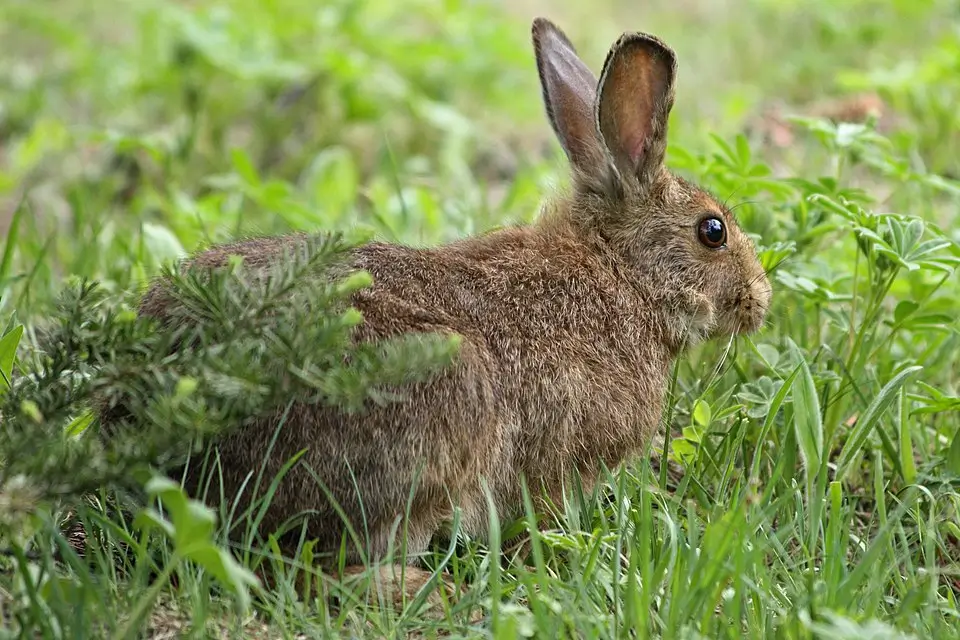
One of the most celebrated features of the snowshoe hare is its seasonal coat transformation. During the warmer months of spring and summer, the animal sports a rich brown coat that blends seamlessly with forest floors, leaf litter, and underbrush. As days shorten in autumn, a hormonal and photoperiod-driven process triggers a gradual molt, replacing the brown fur with dense, insulating white fur that provides near-perfect camouflage against winter snow. Come spring, the process reverses itself. This twice-yearly transformation is a masterclass in evolutionary adaptation, offering the hare protection from a wide range of predators including lynx, foxes, owls, hawks, coyotes, and bobcats throughout the changing seasons.
The animal's common name — "snowshoe" hare — derives from another remarkable physical adaptation: its oversized hind feet. These large, broad feet act much like natural snowshoes, distributing the animal's weight across the surface of the snow and allowing it to run, leap, and maneuver with impressive speed and agility even in deep winter conditions. The feet are also heavily furred on the undersides, providing both traction and insulation. This adaptation gives the snowshoe hare a significant mobility advantage over many predators during winter months.
In terms of body size, the snowshoe hare is a medium-sized lagomorph. Adults typically weigh between 3 and 4 pounds, though individuals can vary. Their ears, while large, are shorter relative to body size compared to jackrabbits — another adaptation that helps reduce heat loss in cold climates. Snowshoe hares are primarily nocturnal and crepuscular, meaning they are most active during the low-light hours of dawn and dusk, though they may be seen moving about at any time of day, particularly in areas with low human disturbance.
Perhaps the most famous aspect of snowshoe hare biology is the dramatic population cycle. Populations of snowshoe hares fluctuate dramatically over an approximately 8-to-11-year cycle, with numbers swinging from extraordinary abundance to near-scarcity within relatively short periods. These cycles are closely tied to food availability, predator populations, and complex ecological interactions. When hare populations peak, predators like the Canada lynx experience corresponding population booms; when hare numbers crash, lynx populations follow suit. This predator-prey dynamic is one of the most well-documented and studied ecological cycles in North American wildlife science.
Snowshoe hares are herbivores, feeding on a wide variety of plant material that shifts with the seasons. During summer, they graze on grasses, forbs, and leafy vegetation. In winter, when green plants are buried under snow, they rely heavily on the buds, twigs, bark, and needles of shrubs and trees such as willows, aspens, birches, and conifers. This ability to adapt their diet to seasonal availability is another hallmark of this species' resilience.
Reproduction is also notably vigorous. Snowshoe hares can produce multiple litters per year, with litter sizes ranging from one to eight young, known as leverets. Females can become pregnant almost immediately after giving birth — a reproductive strategy known as superfetation in some hare species — which helps populations rebound quickly following periods of decline.
Habitat & Range
The snowshoe hare has an extensive range across North America, stretching from the boreal and mixed forests of Alaska and Canada southward through the Rocky Mountains, the Great Lakes region, the Appalachian Mountains, and into portions of the northern United States. The species is fundamentally associated with forested and shrubby environments that provide both food and cover. Dense stands of conifers, alder thickets, willow bogs, and brushy areas along forest edges represent prime snowshoe hare habitat.
In North Dakota, the snowshoe hare occupies the northeastern and north-central portions of the state, where forested areas and brushy habitats are more prevalent. North Dakota itself is a state of remarkable geographic diversity — spanning the Great Plains prairies, the Badlands in the west, the fertile Red River Valley in the east, and mixed-grass and tallgrass ecosystems throughout. While much of the state's open prairie terrain is less suitable for snowshoe hares, the wooded river corridors, shelterbelts, and forest patches that characterize portions of northern North Dakota can support hare populations.
Snowshoe hares rely heavily on dense cover for protection from predators. Brushy forest understories, downed logs, thickets of young trees, and shrubby wetland margins are all important habitat components. The availability of sufficient cover is often as important as food availability in determining where hares establish home ranges, which are typically modest in size.
Hunting Information
Snowshoe hare hunting is a beloved small game tradition across much of northern North America. It combines the thrill of pursuing an agile, fast-moving quarry with the pleasures of outdoor adventure in some of the continent's most scenic winter landscapes. Hunters pursuing snowshoe hares often take to snowy forests on foot, with the white winter coat of the hare making for both a challenging spot and a memorable encounter.
Traditional methods for hunting snowshoe hares include still-hunting through dense cover, posting along known travel corridors, and the classic technique of hunting with beagles or other small hounds. The melodic sound of a beagle running a hare through snow-dusted brush is one of the quintessential experiences of North American small game hunting. Hares pushed by dogs often circle back toward their starting point, offering hunters patient enough to wait a fair shot.
In North Dakota, small game hunting falls under the jurisdiction of the North Dakota Game and Fish Department, which oversees hunting regulations, licensing, and wildlife management across the state. Hunters interested in pursuing snowshoe hares in North Dakota should consult the current North Dakota Game and Fish regulations directly for the most up-to-date information on season dates, bag limits, and any applicable license requirements. The department's official resources provide comprehensive guidance for all small game species found within the state.
North Dakota's landscape offers hunters access to a range of public lands, Wildlife Management Areas (WMAs), and the PLOTS (Private Land Open To Sportsmen) program, which can provide access to private lands for hunting. These programs represent excellent opportunities for small game hunters to explore the state's diverse habitats in pursuit of snowshoe hares and other species.
Snowshoe hare meat is considered excellent table fare by many hunters — lean, mild, and versatile in the kitchen. It has been a traditional food source for Indigenous peoples and wilderness communities across the northern forest region for thousands of years.
Conservation
The snowshoe hare is currently classified as a species of least concern by wildlife authorities, reflecting its broad range and generally stable populations across much of its range. However, as with all wildlife, snowshoe hares face an array of ongoing challenges tied to habitat change, climate variability, and land use.
One of the most significant emerging concerns for snowshoe hares involves climate change. The hare's seasonal coat transformation is triggered by changes in day length rather than by temperature or snow conditions. As winters become shorter and snowfall less reliable in some portions of the hare's range, animals may find themselves wearing white coats against bare, brown ground — dramatically increasing their visibility to predators. Researchers studying this phenomenon have documented increased predation rates in mismatched individuals, raising questions about the long-term adaptive capacity of the species in a warming world.
Habitat loss and fragmentation also represent considerations for snowshoe hare conservation. The dense brushy cover and forest understory that hares depend on can be diminished by intensive forest management, agricultural clearing, and suburban development. Maintaining connected corridors of suitable habitat across the landscape helps support healthy hare populations and the broader communities of predators and prey that depend on them.
Responsible hunting, guided by science-based regulations and managed by agencies like the North Dakota Game and Fish Department, plays an important role in the broader conservation picture. Legal, regulated harvest is sustainable and contributes to the funding of wildlife management programs through license fees and excise taxes on sporting equipment under the Federal Aid in Wildlife Restoration Act.
The snowshoe hare's story is ultimately one of resilience — a small mammal navigating extreme cold, deep snow, shifting seasons, and a gauntlet of predators through a suite of extraordinary adaptations honed over millions of years of evolution. Its continued presence in the forests and brushlands of North America is both a conservation success story and a reminder of the importance of protecting wild habitats for generations to come.