Overview
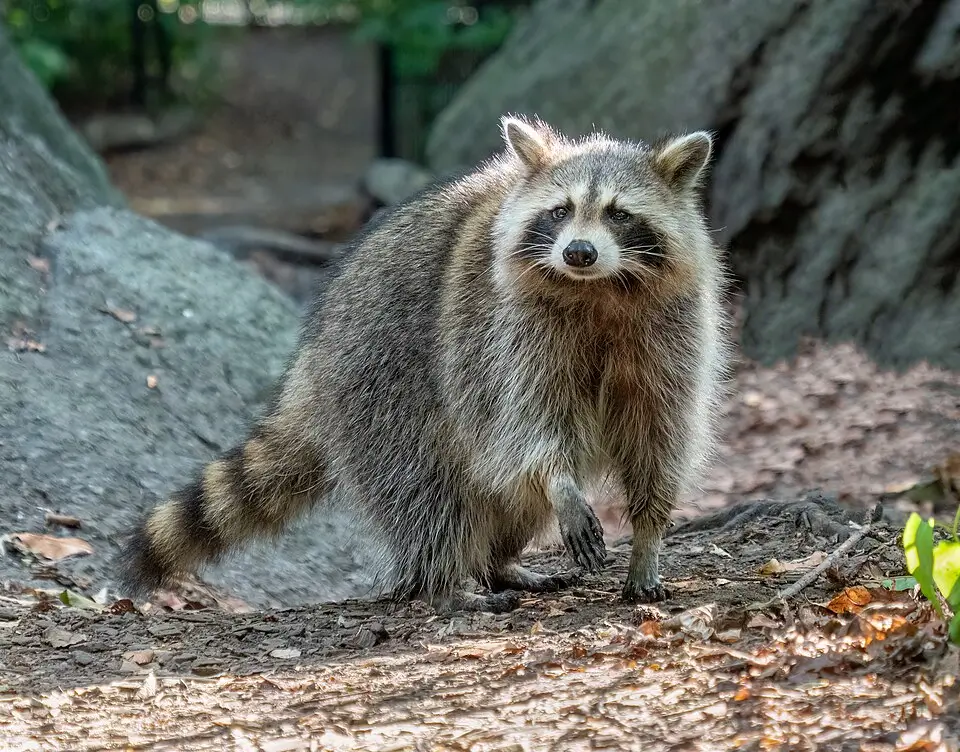
Few animals in North America capture the imagination quite like the raccoon (Procyon lotor). With its distinctive black facial mask, ringed bushy tail, and almost unnervingly human-like dexterous front paws, the raccoon has earned a reputation as one of the continent's most adaptable, intelligent, and enduring wild mammals. Found coast to coast across the United States — including the wide-open prairies and river corridors of North Dakota — the raccoon is a beloved subject for wildlife watchers, trappers, and hunters alike. Whether you encounter one raiding a campsite in the Badlands or foraging along the banks of the Missouri River, there is no mistaking this charismatic creature.
The raccoon's scientific name, Procyon lotor, offers a window into its character. Procyon is derived from the Greek meaning "before the dog," a nod to its classification within the order Carnivora, while lotor is a Latin word meaning "washer" — a direct reference to the animal's well-known habit of rubbing and dunking food in water before eating. This behavior, combined with its remarkable intelligence and manual dexterity, has made the raccoon one of the most studied and discussed wild mammals in North America, appearing in Indigenous folklore, popular culture, and scientific literature in equal measure.
Today, raccoons thrive across an enormous range, from subtropical Florida to the northernmost reaches of Canada, and their populations have only grown as human civilization has expanded. They are a quintessential North American success story — a species that has not merely survived in the modern world but has, in many ways, learned to thrive within it.
Biological Traits
The raccoon belongs to the family Procyonidae, a group of primarily New World mammals that includes coatis, kinkajous, and ringtails. Within that family, Procyon lotor is by far the most widely distributed and well-known member.
Physically, raccoons are medium-sized mammals, stocky and well-furred, built for a life spent foraging in varied and often challenging environments. Their most iconic features — the black "mask" across the eyes and the alternating dark and light rings on the tail — serve both as identification markers for wildlife enthusiasts and, in the case of the mask, potentially as a means of reducing glare and enhancing night vision, much like the eye black worn by athletes. Their dense, grizzled fur, typically a mixture of gray, brown, and black, provides excellent insulation during cold northern winters, making them well-suited to climates as demanding as that of North Dakota.
One of the raccoon's most remarkable anatomical features is its forepaws. With five long, nimble fingers, raccoons possess an extraordinary sense of touch that is actually enhanced when their paws are wet — a likely explanation for the "washing" behavior observed so frequently. This tactile sensitivity allows raccoons to feel for prey beneath water, under rocks, and inside crevices with remarkable precision. They can open latches, unscrew lids, and manipulate objects with a dexterity that regularly surprises and frustrates humans who encounter them raiding garbage cans or coolers.
Raccoons are omnivores in the truest sense of the word. Their diet is extraordinarily varied and shifts with the seasons and local availability. They consume fruits, nuts, berries, and agricultural crops in late summer and fall — deliberately gorging themselves to build the substantial fat reserves necessary to survive winter. During warmer months, their diet expands to include crayfish, frogs, fish, insects, bird eggs, small mammals, and virtually anything else they can locate with those sensitive paws. This dietary flexibility is a cornerstone of their ecological success.
Although raccoons do not truly hibernate, they do enter extended periods of winter sleep — particularly in northern states like North Dakota where temperatures can plummet dramatically. During these periods, raccoons live off their stored fat reserves, sometimes emerging briefly during mild spells before retreating again to their dens. A single den tree or hollow log may house multiple raccoons during the coldest months, a behavior that helps conserve warmth.
Raccoons are primarily nocturnal, though they can be observed during daylight hours, especially in spring and early summer when mothers are feeding young. Females typically give birth to litters of three to five kits in spring, following a gestation period of roughly 63 days. The young are born blind and helpless but develop rapidly, following their mother on foraging expeditions by midsummer and remaining with her through the first fall and winter before dispersing to establish their own territories.
Their vocalizations are surprisingly varied — including purrs, chittering sounds, growls, hisses, and a distinctive churring call used between mothers and young. Raccoons communicate through a combination of vocal and scent-based signals, with latrines (communal defecation sites) serving as important olfactory message boards within their home ranges.
Habitat & Range
The raccoon's range across North America is vast and continues to expand. Originally a species of deciduous and mixed forests near water, raccoons have proven themselves capable of colonizing virtually every habitat type on the continent, from coastal marshes and bottomland forests to suburban neighborhoods and farmland edges.
In North Dakota specifically, raccoons are most commonly associated with the wooded river corridors, shelterbelts, and wetland margins that break up the state's characteristic Great Plains landscape. The Missouri River valley, the Red River corridor along the eastern border, and the numerous lake and prairie pothole regions provide ideal raccoon habitat — combining the water access, woodland cover, and food resources that the species favors. North Dakota's agricultural landscape, dotted with grain fields and farmsteads, also provides abundant supplemental food, particularly in late summer and autumn when corn, sunflowers, and other crops are maturing.
The Great Plains was historically less densely populated by raccoons than the forested eastern portions of the continent, but as shelterbelts were planted, farms expanded, and rural communities grew, raccoon populations in states like North Dakota established and grew steadily. Today, raccoons are a common and familiar sight throughout much of the state, particularly in the eastern and central regions where trees and water are more abundant.
Hunting Information
Raccoons have a long and respected tradition as a game animal across North America. Raccoon hunting — particularly with hounds at night — is a deeply rooted cultural tradition in many parts of the country, celebrated for the camaraderie, the working dog relationships, and the challenge of pursuing a clever, elusive quarry in dark timber and along creek bottoms.
In North Dakota, raccoons are classified under the state's furbearer and other game species categories, as reflected in the North Dakota Game and Fish Department's hunting framework. Hunters and trappers interested in pursuing raccoons in North Dakota should consult the current North Dakota Game and Fish regulations, as specific season dates, bag limits, and licensing requirements are subject to change and are managed by the state agency to ensure sustainable harvest. The North Dakota Game and Fish Department provides comprehensive, up-to-date regulations through their official hunting information resources.
Raccoon hunting typically takes place in the fall and early winter, when animals are active and building fat reserves, and their fur is at its prime. Traditional methods include hunting with trained hounds that track and tree raccoons, allowing hunters to locate and harvest them. Spotlight hunting, trapping, and calling are also used in various regions and contexts.
Raccoon fur has historically been a valuable commodity in the North American fur trade, and while fur markets fluctuate, raccoon pelts remain a component of the commercial trapping tradition in states like North Dakota. Beyond fur, raccoon meat — particularly the hindquarters — has a long culinary history in rural America and is experiencing renewed interest among wild game enthusiasts.
For anyone planning to hunt or trap raccoons in North Dakota, the first step is always to consult the North Dakota Game and Fish Department's official regulations to understand the current rules governing season, methods, and licensing.
Conservation
Despite facing pressures that have devastated other wildlife populations — habitat loss, urbanization, vehicle collisions, and disease — the raccoon has proven remarkably resilient. Its populations across North America are considered stable to expanding, and it is classified as a species of Least Concern by conservation authorities. In fact, in many urban and suburban environments, raccoon populations have grown to densities far exceeding those found in wild habitats.
This success is not without complexity. Dense raccoon populations can present challenges related to disease transmission — most notably rabies, distemper, and raccoon roundworm (Baylisascaris procyonis) — which makes responsible wildlife management important for both human and animal health. Regulated hunting and trapping play an important role in maintaining raccoon populations at levels that are ecologically balanced and minimize human-wildlife conflict.
In North Dakota, the raccoon occupies a valued role in the ecosystem as both predator and prey. They help regulate populations of invertebrates and small vertebrates, and they serve as prey for larger predators including coyotes, great horned owls, and bobcats. Their presence along river corridors and wetland edges contributes to the ecological richness that makes North Dakota's outdoors so rewarding.
Conservation of raccoon habitat in North Dakota is closely tied to broader efforts to maintain riparian corridors, wetlands, and shelterbelts — landscapes that benefit a wide range of wildlife species. Organizations and initiatives focused on North Dakota's prairies and wetlands indirectly support healthy raccoon populations by protecting the diverse habitats on which these adaptable animals depend.