Overview
Few birds capture the spirit of the American countryside quite like the Northern bobwhite. Known scientifically as Colinus virginianus, this small but charismatic quail has been a cornerstone of North American wildlife culture for generations. Its distinctive, whistling call — a clear, ascending two-note phrase that unmistakably sounds like "bob-WHITE" — has echoed across meadows, brushy fields, and woodland edges throughout much of the eastern and central United States for centuries. For birders, hunters, and nature enthusiasts alike, encountering a covey of bobwhites flushing from tall grass is an unforgettable experience, one that speaks to the rich natural heritage of this continent.
The Northern bobwhite belongs to the family Odontophoridae, the New World quails, a group of ground-dwelling birds distinct from the Old World quails of the family Phasianidae. Despite their small size, bobwhites are extraordinarily resilient birds with fascinating behavioral adaptations, complex social structures, and a life history that has made them one of the most studied game birds in North America. They are equally beloved by hunters who pursue them with pointing dogs across open farmland, and by conservationists who work tirelessly to protect and restore the grassland and shrubland habitats these birds depend upon.
Understanding the Northern bobwhite — its biology, its habitat needs, its role in the ecosystem, and its relationship with hunters and wildlife managers — is essential for anyone who values the wild landscapes of North America. This article takes a comprehensive look at this iconic species, from its biological traits and natural history to its place in hunting culture and ongoing conservation efforts.
Biological Traits
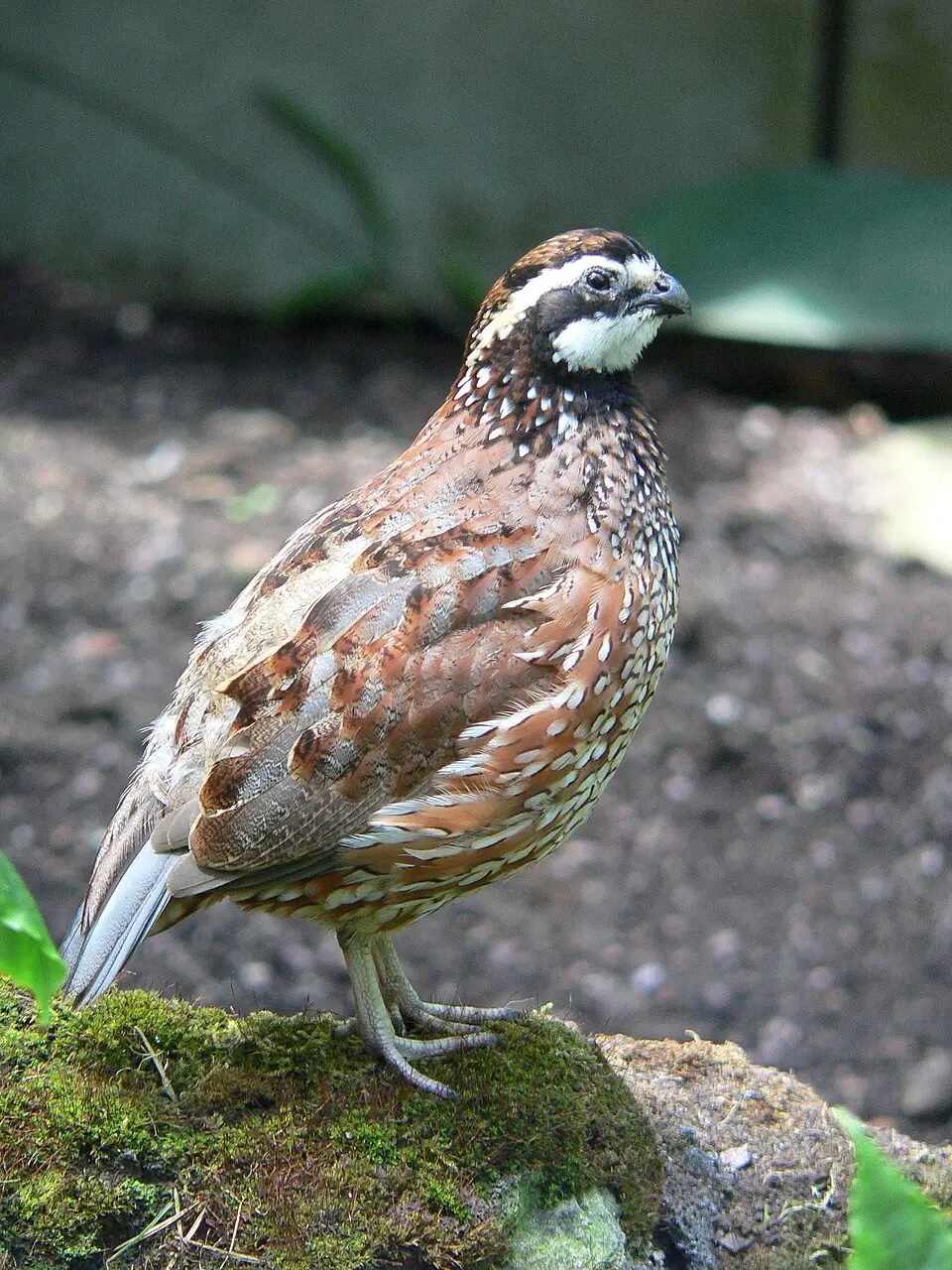
The Northern bobwhite (Colinus virginianus) is a compact, rotund bird, well-suited to life on the ground. Adults are generally small, measuring roughly 8 to 10 inches in length, with short, rounded wings designed for explosive, short-distance flight rather than sustained soaring. This flight style — a sudden, thunderous burst from cover — is one of the bobwhite's most recognizable characteristics and a defining feature of the hunting experience associated with this species.
Sexual dimorphism is evident in Northern bobwhites. Males display a striking facial pattern, with a bold white supercilium (eyebrow stripe) and white throat that contrast sharply against darker head feathers. The body is intricately patterned with chestnut, black, buff, and white tones that provide excellent camouflage in grassy and brushy environments. Females share much of the same body patterning but replace the white facial markings with a buffy or pale brown coloration, making the two sexes relatively easy to distinguish in the field.
One of the most fascinating aspects of Northern bobwhite biology is their social structure. For much of the year, bobwhites live in groups called coveys, typically composed of a dozen or more birds. These coveys are not simply flocks of strangers — they are tightly bonded social units that roost together, forage together, and rely on collective vigilance to watch for predators. When roosting at night, covey members arrange themselves in a tight circle on the ground, tails pointing inward and heads facing outward, a formation that conserves body heat and allows every bird to face a potential threat.
Bobwhites are omnivorous, with a diet that shifts seasonally. Seeds form the bulk of their food intake, particularly seeds from grasses, legumes, and agricultural crops. During warmer months, insects and other invertebrates become important dietary components, especially for chicks, which require high-protein food sources for rapid early growth.
Breeding season for Northern bobwhites typically runs from spring through early fall, an unusually extended nesting season for a ground-nesting bird. Both sexes participate in incubation and chick-rearing, a trait that is relatively uncommon among birds and speaks to the strong pair-bonding tendencies of the species. Nests are constructed on the ground, often concealed within dense grasses or low shrubs, and a typical clutch contains a large number of eggs — often exceeding a dozen. This high reproductive output helps bobwhite populations recover from periodic losses due to harsh weather, predation, or habitat disturbance.
Habitat & Range
The Northern bobwhite has one of the broadest ranges of any quail species in North America. Its range extends from the eastern United States westward across the Great Plains and into portions of the Southwest, as well as southward through Mexico and into parts of Central America. Within this range, bobwhites occupy a diverse array of habitats, but they share a common preference for early successional landscapes — environments characterized by a mosaic of open ground, grasses, forbs, shrubby cover, and edge habitat where different vegetation types meet.
Historically, the Northern bobwhite thrived across much of the American South, the Midwest, and the mid-Atlantic states. Farmland that incorporated fallow fields, hedgerows, brushy fence lines, and weedy field margins provided ideal bobwhite habitat, and the species was once extraordinarily abundant across these landscapes. Pine savannas, open woodlands, and native grasslands in the Southeast and south-central United States have long been recognized as premier bobwhite country.
In the context of North Dakota and the broader Upper Midwest, the Northern bobwhite occupies a more marginal position at the northern edge of its natural range. North Dakota's landscape — defined by the Great Plains, broad prairies, and significant agricultural development — can provide suitable habitat in certain areas, particularly in the southern and eastern portions of the state where conditions are somewhat more temperate and brushy cover exists. However, the harsh winters that characterize North Dakota's climate present significant challenges for a species that does not migrate and must survive cold-season conditions on the ground without the insulating cover of deeper, more southern latitudes.
The availability of adequate winter cover — dense shrubs, brushy draws, and sheltered areas that buffer birds from wind, snow, and extreme cold — is critically important for bobwhite survival in northern fringe populations. Deep snow events can be particularly devastating, cutting birds off from food sources and exposing them to lethal cold.
Hunting Information
The Northern bobwhite holds a celebrated place in American hunting tradition. Quail hunting with well-trained pointing dogs — breeds like the English pointer and various setter breeds — is considered one of the most refined and time-honored upland hunting pursuits on the continent. The classic image of hunters following a statuesque dog locked on point in a sun-drenched field is deeply embedded in the culture of the American South and Midwest.
Bobwhite hunting is regulated at the state level across its range, with wildlife management agencies setting season dates, bag limits, and licensing requirements based on population surveys and habitat assessments. As with all regulated hunting in the United States, hunters are required to comply with state-specific regulations, which can vary considerably depending on local population trends and conservation priorities.
In North Dakota, hunting is managed by the North Dakota Game and Fish Department, which oversees all upland game bird regulations and licensing. Hunters pursuing upland game birds in the state, including any bobwhite quail that may be present in suitable southern or eastern portions of the state, are required to obtain the appropriate hunting licenses as mandated by the state's regulatory framework. North Dakota's Game and Fish Department provides comprehensive hunting information organized by species, and prospective quail hunters should consult the most current regulations and guidance directly from that agency before planning a hunt. Specific season dates and bag limits for bobwhite in North Dakota were not detailed in the sources available for this article, and hunters are strongly encouraged to verify current regulations through official state channels.
Dog work remains central to the bobwhite hunting experience. A well-bred and trained pointing dog can locate and hold coveys across large tracts of habitat, making the hunt both more productive and more memorable. Flushing breeds and retrievers are also used, though the tradition of the pointing dog is most closely associated with bobwhite culture.
Conservation
The Northern bobwhite is one of the most intensively studied and actively managed game birds in North America, in large part because its populations have experienced significant long-term declines across much of its historical range. Habitat loss and degradation — particularly the loss of the weedy, brushy, edge-rich farmland that characterized pre-modern agricultural landscapes — are widely recognized as the primary drivers of population decline.
Conservation organizations, state wildlife agencies, and federal programs have invested substantially in bobwhite restoration efforts. Practices such as prescribed burning, native grass plantings, hedgerow restoration, and the establishment of field margins with native wildflowers and grasses are all recognized tools for improving bobwhite habitat on both private and public lands. Programs like the Conservation Reserve Program (CRP) have been particularly important in providing financial incentives for landowners to establish and maintain bobwhite-friendly cover on agricultural lands.
The bobwhite's role as both a game species and an indicator of grassland ecosystem health makes its conservation a priority that benefits a wide array of wildlife beyond quail alone. Healthy bobwhite habitat supports pollinators, songbirds, small mammals, and many other species that depend on open grassland and shrubland environments.
In northern states like North Dakota, where bobwhites exist at the edge of their range, conservation efforts must account for the unique challenges posed by a harsher climate and more variable population dynamics. Protecting winter cover and maintaining diverse agricultural landscapes remain essential strategies in supporting whatever populations exist in the region.
Conclusion
The Northern bobwhite is far more than a game bird — it is a living symbol of the American countryside, a barometer of grassland health, and a source of joy for millions of hunters, birders, and wildlife enthusiasts across the continent. Understanding and supporting this species, whether through ethical hunting practices, habitat stewardship, or simply appreciating its iconic call on a warm summer morning, is a meaningful contribution to the health of North America's natural landscapes.