Overview
Few animals in North America capture the imagination quite like the North American beaver (Castor canadensis). Revered by Indigenous peoples for centuries, coveted by European fur traders who helped shape the continent's early history, and celebrated today as one of ecology's most remarkable architects, the beaver occupies a unique and irreplaceable role in the natural world. From the boreal forests of Canada to the wetlands of the American Great Plains, this semi-aquatic mammal has left its mark on landscapes far and wide — literally reshaping rivers, streams, and entire ecosystems through its extraordinary building instincts.
In North Dakota, a state characterized by sweeping prairies, fertile river valleys, and an abundance of wetland habitat, the North American beaver is a significant part of the wildlife community. Whether you are a wildlife enthusiast, a trapper, or simply a curious observer of nature, understanding the biology, behavior, and ecological importance of Castor canadensis offers a window into the living, breathing machinery of healthy North American watersheds. This article takes a comprehensive look at the beaver — its biology, its habitat, its role in conservation, and what hunters and trappers in North Dakota should know about pursuing this iconic furbearer.
Biological Traits
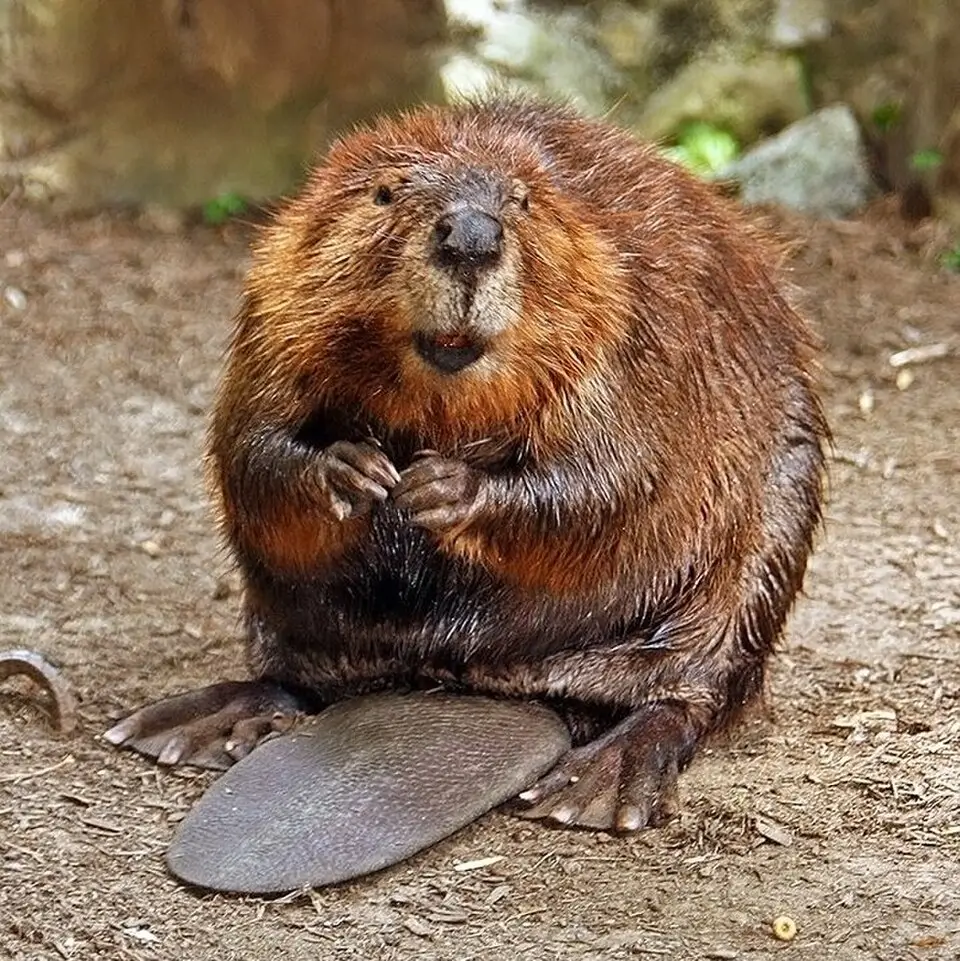
The North American beaver is the largest rodent native to North America and one of the largest rodents in the world, second only to the South American capybara. Its body is powerfully built and adapted in remarkable ways for life both on land and in water. Adults typically possess a broad, flat, paddle-shaped tail that serves multiple purposes — it acts as a rudder during swimming, a prop when the animal is standing upright on land, and a warning signal when slapped forcefully against the water's surface to alert other beavers of potential danger.
The beaver's hind feet are large and fully webbed, making it a capable and efficient swimmer. In contrast, its smaller front paws are highly dexterous and are used with impressive skill to manipulate sticks, mud, and stones during construction work. The beaver's fur is dense and consists of two layers: a coarse outer layer of guard hairs and a soft, warm underfur that provided the raw material so eagerly sought by the European fur trade. This double coat is naturally water-resistant, helping to keep the animal warm and dry even during cold-weather swims.
One of the beaver's most recognizable features is its prominent orange-tinged incisors. These large front teeth are continuously growing and are hardened with iron-rich enamel, giving them their distinctive color and remarkable durability. Beavers use these powerful teeth to fell trees and woody shrubs, which serve both as food and as building material for their iconic dams and lodges. The act of gnawing on wood also helps keep the teeth worn to an appropriate length.
Beavers are largely nocturnal or crepuscular, meaning they are most active during the hours around dawn and dusk. They are highly social animals that live in family units called colonies, typically consisting of a mated adult pair, their young offspring (called kits), and yearlings from the previous breeding season. Beavers are monogamous, generally forming long-term pair bonds. Females typically give birth to a small litter of kits in late spring, and the young remain with their parents for approximately two years before dispersing to establish territories of their own.
Communication among beavers involves a combination of vocalizations, scent marking, and the iconic tail slap. Scent mounds — small piles of mud and debris marked with secretions from the animal's castor glands — are used to define and defend territory. These glands produce a musky substance called castoreum, which has been used in traditional medicine, perfumery, and even as a food flavoring throughout human history.
Habitat & Range
The North American beaver has one of the broadest ranges of any large mammal on the continent. Castor canadensis is found across most of North America, from Alaska and Canada south through much of the contiguous United States and into parts of northern Mexico. The species was once absent from some regions due to extensive trapping during the fur trade era, but successful conservation and reintroduction efforts throughout the twentieth century have allowed beaver populations to rebound dramatically across much of their historical range.
Beavers are closely associated with freshwater environments. They favor streams, rivers, ponds, lakes, and marshes — particularly those with an adjacent supply of deciduous trees and woody shrubs. Willows, aspens, cottonwoods, alders, and birches are among their preferred food and building materials. Beavers will also consume aquatic vegetation, bark, roots, and other plant matter, particularly during winter months when they rely on food caches stored beneath the ice near their lodges.
One of the beaver's most celebrated behaviors is dam construction. By building dams across streams and waterways using sticks, mud, rocks, and other debris, beavers create ponds that serve as protective moats around their lodges, provide deeper water for winter food storage, and make travel and escape from predators easier. These engineered wetlands are far more than private amenities — they represent one of the most impactful examples of ecosystem engineering found anywhere in the animal kingdom.
In North Dakota, beavers can be found throughout the state's river systems, creek drainages, and wetland complexes. The state's numerous waterways, including the Missouri River, the Red River, and their many tributaries, as well as the pothole lakes and prairie marshes of the Coteau du Missouri, provide abundant habitat for beaver colonies. North Dakota's landscape, shaped by glacial activity and characterized by both open prairie and riparian corridors, supports a healthy and widespread beaver population.
Hunting and Trapping Information
The North American beaver has been hunted and trapped for its fur and meat for thousands of years. In North America, Indigenous peoples relied on beaver as a food source and used every part of the animal. The arrival of European explorers and traders in the sixteenth and seventeenth centuries transformed beaver trapping into a commercial enterprise of continental scale, driving demand for beaver pelts to extraordinary heights and fueling the expansion of European settlement across the continent.
Today, beaver trapping and hunting remain legal, regulated activities in many North American states and provinces, including North Dakota. The North Dakota Game and Fish Department oversees the management of furbearers, including the beaver, and provides regulations and licensing information for those wishing to pursue them. According to the North Dakota Game and Fish Department's official resources, hunting and trapping information for furbearers is available through their official channels, and prospective hunters and trappers are encouraged to consult the current regulations and licensing requirements directly with the department.
Beaver trapping in North Dakota, as in other states, is typically conducted during cooler months when the fur is at its prime — generally in fall and winter. Traditional trapping methods include the use of body-gripping traps and foothold traps set near active beaver runs, near dam structures, or along travel routes in and out of the water. Calling and spot-and-stalk methods are less common but are used in some contexts. Trapping beaver requires patience, fieldcraft, and a working knowledge of beaver behavior and habitat use.
For those interested in pursuing beaver in North Dakota, it is essential to obtain any required licenses and to review the current season dates, bag limits, and legal methods as specified by the North Dakota Game and Fish Department before heading afield. Regulations can and do change from year to year, and compliance with all applicable laws is both a legal obligation and a mark of ethical sportsmanship.
Conservation
The story of the North American beaver is, in many ways, a conservation success story. At their historical peak, beaver populations across North America were estimated to number in the tens of millions. The intensive fur trade of the seventeenth through nineteenth centuries reduced populations dramatically, eliminating beavers from vast portions of their range. By the late nineteenth and early twentieth centuries, populations had reached critically low levels in many areas.
Conservation efforts beginning in the early twentieth century — including regulated trapping seasons, habitat protection, and active reintroduction programs — allowed beaver populations to recover across much of North America. Today, beavers are no longer considered threatened or endangered as a species, and their populations are considered stable and widespread throughout much of their native range.
The ecological importance of beaver conservation cannot be overstated. The wetlands created by beaver dams provide critical habitat for a stunning diversity of wildlife, including waterfowl, fish, amphibians, reptiles, songbirds, and mammals. Beaver ponds raise local water tables, reduce downstream flooding, filter sediment and pollutants from water, and increase the overall biodiversity of riparian corridors. Researchers and land managers increasingly recognize beaver activity as a cost-effective, natural tool for wetland restoration and water conservation — a perspective that has given rise to what some ecologists call "beaver-assisted restoration."
In North Dakota, where wetlands are vital to waterfowl production and overall ecological health, maintaining healthy beaver populations is part of a broader commitment to wildlife conservation and habitat management. The North Dakota Game and Fish Department, along with state and federal partners, works to manage beaver populations in a sustainable manner that balances the needs of the animals, the ecosystems they support, and the people who live and work on the land.
Conclusion
The North American beaver is far more than a furbearer or a historical curiosity. It is a keystone species — one whose presence or absence has cascading effects on entire ecosystems. In North Dakota and across the continent, the beaver continues to shape landscapes, support biodiversity, and remind us of the deep connections between wildlife, water, and the health of the natural world. Whether you encounter one slipping silently into a prairie pond at dusk or discover the impressive architecture of a freshly built dam along a woodland stream, the North American beaver never fails to inspire wonder.