Overview
Few animals command attention quite like the moose. Standing as the largest member of the deer family, the moose (Alces alces) is a creature of remarkable proportions and undeniable majesty. Whether glimpsed wading through a northern lake at dawn, browsing along a boreal forest edge, or simply standing in a clearing with its iconic palmate antlers silhouetted against a winter sky, the moose never fails to inspire awe. Across North America, Europe, and Asia, this magnificent animal has captured the imagination of naturalists, hunters, photographers, and wildlife enthusiasts for centuries.
In the United States, moose occupy a special place in the culture and ecology of northern states, including parts of the Upper Midwest where the Great Plains give way to wetlands, river corridors, and forested patches capable of sustaining these large ungulates. In North Dakota, the moose represents one of the most coveted big game animals available to hunters — a species so prized that licenses are allocated by lottery, making the opportunity to pursue one a truly rare and memorable experience.
This article explores everything you need to know about the moose: its biology and physical characteristics, its preferred habitats and continental range, its behavior and life history, its role in ecosystems, and how hunters in states like North Dakota can pursue this extraordinary animal through carefully managed programs.
Biological Traits
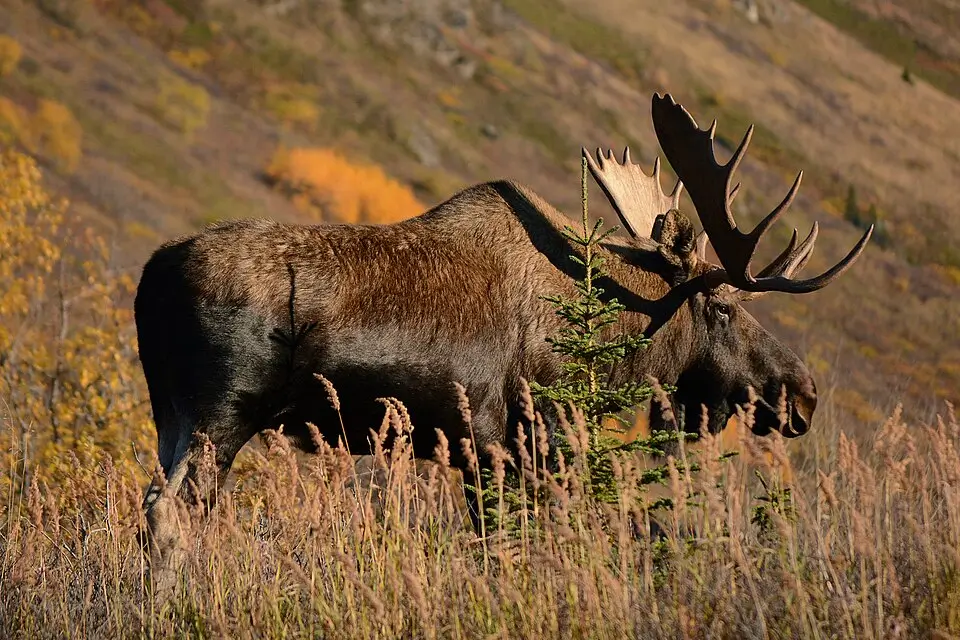
The moose (Alces alces) belongs to the family Cervidae, which includes all deer species, and it stands alone at the top of that family in terms of sheer size. Adult bull moose are massive animals, with long, muscular legs, a distinctive humped shoulder, a broad, pendulous nose, and the iconic palmate (broad and flat) antlers that make them instantly recognizable. Cows (female moose) are also large but lack antlers, presenting a slightly leaner silhouette.
One of the most distinctive features of the moose is its overhanging snout, sometimes called a "moose nose" or proboscis, which is uniquely adapted for browsing on aquatic and terrestrial vegetation. The animal's long legs — disproportionately long compared to its body — allow it to wade through deep snow and navigate marshy, waterlogged environments with surprising ease.
The coat of a moose is dark brown to nearly black, providing excellent camouflage in forested and shadowed environments. The hair is hollow, which provides remarkable insulation against the bitter cold of northern winters — a critical adaptation for an animal that does not hibernate and remains active throughout the coldest months of the year.
Bull moose grow antlers annually, beginning in spring and shedding them in winter. The antlers are among the most impressive structures produced by any living animal, growing at remarkable speed during the summer months — among the fastest-growing tissues in the natural world. A mature bull's antlers can span considerable widths and feature the distinctive palmate shape that distinguishes moose antlers from the branched antlers of other deer species.
Moose are herbivores, feeding on a wide variety of plant material. Their diet shifts seasonally: in summer, they frequently wade into ponds, lakes, and streams to feed on aquatic vegetation such as water lilies and pond weeds, while in winter they rely heavily on the twigs and bark of willows, birches, and other deciduous trees and shrubs. This dietary flexibility is one of the reasons moose are so successful across such a broad geographic range.
The rut — the moose mating season — occurs in autumn, typically during the fall months. Bull moose become intensely active during this period, making guttural calls, thrashing vegetation with their antlers, and actively seeking out cows. This behavior makes the rut a particularly exciting time for wildlife observers and hunters alike, as bulls become less cautious and more visible.
Calves are typically born in spring, and cows are fiercely protective of their young. Moose calves grow quickly and must be strong enough to survive their first winter — a testament to both the adaptability of the species and the quality of habitat they depend upon.
Habitat & Range
The moose is a circumpolar species, meaning its range wraps around the northern latitudes of the globe. Scientifically classified as Alces alces, the species is found across Canada, Alaska, the northern contiguous United States, Scandinavia, Russia, and parts of Central Asia. In North America, several subspecies are recognized, occupying slightly different ecological niches across this vast range.
Moose are strongly associated with boreal and mixed forest environments, particularly those that include abundant water features such as lakes, rivers, ponds, and wetlands. They are browsers rather than grazers, which means they prefer wooded habitats where shrubby vegetation, young trees, and aquatic plants are plentiful. Riparian corridors — the forested and shrubby areas along rivers and streams — are especially important to moose year-round.
In the United States, moose populations are most robust in Maine, Minnesota, Wyoming, Montana, Idaho, New Hampshire, Vermont, and Alaska. However, moose do occur in states further south and west than many people might expect, including in parts of the Great Plains where suitable habitat exists. In North Dakota, moose are found primarily in the wooded river bottoms, wetland complexes, and brushy areas of the northeastern and eastern portions of the state, where habitat conditions more closely resemble the boreal and northern mixed forest environments the species prefers.
North Dakota's position on the edge of the Great Plains means that moose habitat in the state is somewhat patchy compared to their core range further north, but the species finds suitable conditions along major river systems and in areas with dense willow and shrubby growth. The state's borders with Minnesota to the east and the Canadian provinces of Saskatchewan and Manitoba to the north mean that North Dakota's moose population is connected to a much larger regional population, supporting the continued presence of this iconic animal within state boundaries.
Hunting Information
For hunters in North Dakota, the moose is one of the most sought-after and prestigious big game species available. The opportunity to pursue a moose is rare by design — and that rarity is part of what makes the experience so meaningful to those fortunate enough to receive a license.
According to the North Dakota Game and Fish Department, moose licenses in North Dakota are allocated by lottery. This means that hunters must apply for the opportunity to hunt moose, and licenses are drawn from a pool of applicants. This lottery system is a common and effective wildlife management tool used across the United States for species where the population can only sustainably support a limited harvest. Bighorn sheep, deer, elk, pronghorn, tundra swan, and wild turkey are among the other species in North Dakota managed under similar lottery-based licensing systems.
For hunters hoping to pursue moose in North Dakota, the lottery process is the essential first step. Interested hunters should consult the North Dakota Game and Fish Department's official resources for the most current application periods, licensing requirements, and any regulations governing the hunt. Because regulations can change from year to year in response to population data and habitat conditions, always verify current rules directly with the state agency before applying or hunting.
The pursuit of moose is a deeply rewarding endeavor for those who invest the time to understand the animal's habits, habitat preferences, and behavior. Scouting in advance — identifying areas of heavy browse, water sources, and travel corridors — is essential preparation. The fall rut can be a particularly productive time to locate and call moose, as bulls respond to vocalizations during this breeding period.
Moose hunting requires appropriate firearms or archery equipment suited to large-bodied game, and hunters should be prepared for the physical demands of recovering and processing an animal of this size. Many successful moose hunts require significant effort after the shot — quartering, packing, and transporting meat from often remote or wetland environments. Despite these challenges, the reward of a successful moose hunt — in terms of both the experience itself and the quality of the meat — is considered by many to be among the finest in North American hunting.
Conservation
The moose is currently listed as Least Concern on the IUCN Red List globally, reflecting the species' wide range and large overall population. However, moose populations in some parts of their range — particularly in the southern portions of their North American distribution — have faced challenges in recent decades. Factors including habitat change, increased parasite loads (such as winter ticks), disease, and shifting climate conditions have contributed to population declines in certain areas.
In North Dakota and across the broader Upper Midwest, wildlife managers monitor moose populations carefully. The lottery-based licensing system used in North Dakota is a direct expression of this conservation ethic — by strictly controlling the number of permits issued, the state ensures that hunting pressure never exceeds what the population can sustainably support.
Hunter participation in wildlife conservation is deeply intertwined with the long-term success of moose populations in North America. Funding generated through hunting licenses, tags, and excise taxes on sporting equipment — through mechanisms like the Federal Aid in Wildlife Restoration Act (Pittman-Robertson Act) — flows back into habitat conservation, wildlife research, and population monitoring programs that benefit moose and countless other species.
The moose serves as an important indicator of healthy northern ecosystems. Their presence in a landscape signals abundant water, diverse vegetation, and intact habitat connectivity — all markers of ecological health. Protecting and restoring moose habitat benefits not only this iconic species but the full web of wildlife that shares these landscapes.