Overview
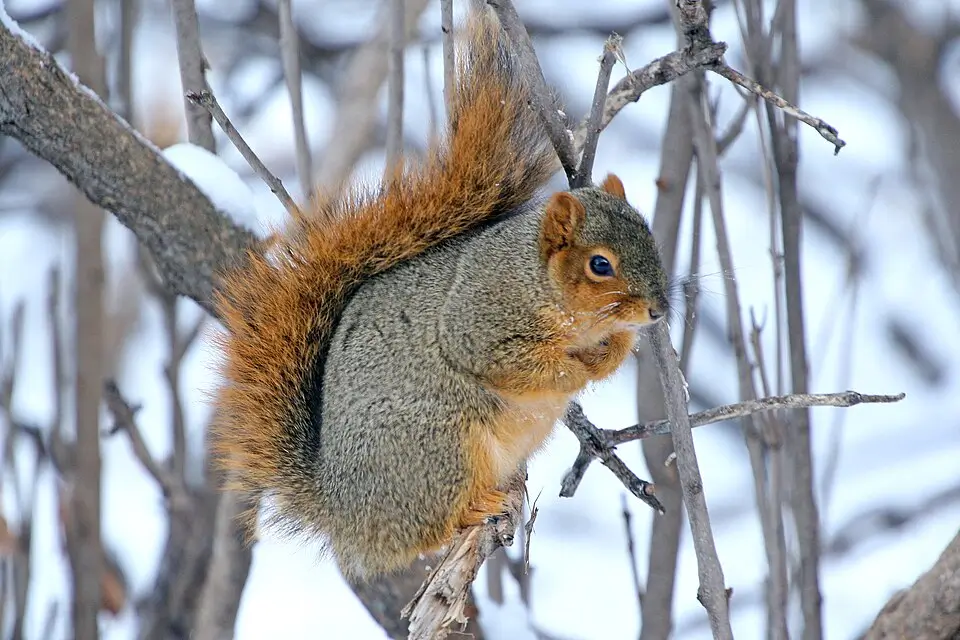
Few woodland creatures capture the imagination of outdoor enthusiasts quite like the fox squirrel. Bold, agile, and surprisingly large for a tree-dwelling rodent, the fox squirrel (Sciurus niger) is a fixture of forests, woodlots, and riparian corridors across a broad swath of North America. Whether you're a wildlife observer quietly watching one forage along a hedgerow, a photographer hoping to capture its russet-tinted coat in golden morning light, or a small-game hunter pursuing one of North America's most rewarding quarries, the fox squirrel offers something for everyone who appreciates the outdoors.
In North Dakota, the fox squirrel occupies a unique ecological niche. As a state defined by expansive prairies, rolling badlands, fertile farmland, and the winding corridors of the Missouri and Red rivers, North Dakota may not seem like prime squirrel country at first glance. Yet the fox squirrel has adapted remarkably well to the wooded river bottoms, shelterbelts, and scattered timber stands that characterize the state's landscape. Understanding this animal — its biology, behavior, habitat needs, and place in the hunting tradition — helps hunters, naturalists, and landowners alike appreciate one of the more underrated game species in the region.
Biological Traits
The fox squirrel holds the distinction of being the largest tree squirrel native to North America. Adults are robust and muscular, with a full, bushy tail that serves multiple purposes, from balance during acrobatic leaps to communication and temperature regulation. The species belongs to the family Sciuridae, which encompasses all squirrels, chipmunks, marmots, and prairie dogs, placing it in excellent company among North America's most recognized small mammals.
One of the most striking characteristics of the fox squirrel is the remarkable variation in its coat coloration. Across its range, individuals can display a wide spectrum of hues, from the classic tawny orange-brown that gives the species its common name, to silver-gray, to entirely black phases found in certain populations, particularly in the southeastern United States. The belly and facial markings can also vary, sometimes showing bright orange-buff tones or contrasting lighter patches. This color polymorphism makes the fox squirrel one of the more visually distinctive and variable mammals on the continent.
Like all members of the squirrel family, Sciurus niger is diurnal, meaning it is most active during daylight hours, particularly in the early morning and late afternoon. This behavioral pattern makes it a rewarding target for hunters and wildlife watchers alike, as it can be reliably observed during reasonable hours without the need for nocturnal activity. The fox squirrel's senses are well-developed; its eyesight is sharp, particularly attuned to detecting movement, and its hearing is acute. These adaptations make it a cautious and sometimes challenging animal to approach in the wild.
Fox squirrels are well known for their caching behavior. Like other members of the squirrel family, they engage in scatter hoarding — burying individual food items, primarily nuts and seeds, across their home range for later retrieval. This behavior plays a surprisingly important ecological role. Inevitably, some cached items are never recovered, effectively allowing fox squirrels to act as unintentional planters of oak, hickory, walnut, and other mast-producing trees. Their foraging and caching activities thus contribute meaningfully to forest regeneration and biodiversity.
Breeding in fox squirrels can occur twice annually under favorable conditions, with peak activity in winter and again in midsummer. Litters typically consist of two to four young, which are born hairless and entirely dependent on the mother. The young develop quickly and are generally capable of foraging on their own within a few months. Fox squirrels build large, leafy nests called dreys, typically positioned high in tree canopies. They may also use natural tree cavities or woodpecker holes as den sites, particularly during cold weather and the birthing season.
The diet of the fox squirrel is broadly omnivorous, though plant material forms the vast majority of its intake. Acorns, hickory nuts, walnuts, pecans, corn, seeds, berries, fungi, and even insects or bird eggs may feature in the diet depending on seasonal availability. This dietary flexibility is one reason the fox squirrel has been able to adapt to a range of habitats beyond mature hardwood forest, including agricultural margins and suburban green spaces.
Habitat & Range
The fox squirrel enjoys one of the broader ranges of any tree squirrel in North America. Its native distribution spans much of the eastern and central United States, extending from the Great Plains eastward to the Atlantic coast and from southern Canada down into northern Mexico in some accounts. Within this range, populations vary considerably in density and appearance, reflecting local habitat conditions and historical isolation.
In the Great Plains and Upper Midwest, where states like North Dakota sit, the fox squirrel tends to concentrate along wooded drainages, river corridors, and shelterbelts — linear strips of trees planted to provide windbreaks and wildlife habitat across the otherwise open prairie landscape. These shelterbelts, a defining feature of agricultural North Dakota, have proven to be valuable corridors for fox squirrel movement and colonization in areas where continuous forest cover is absent.
North Dakota's major river systems, including the Missouri River and its tributaries, the Sheyenne River, and the Red River valley, provide patches of mature hardwood and cottonwood bottomland that support resident fox squirrel populations. Woodlots adjacent to farmland are also important, as the proximity of grain fields offers a reliable supplemental food source throughout the year, particularly during late fall and winter when natural mast crops may be scarce.
The species shows a preference for open or semi-open woodland structures over dense, closed-canopy forest. This preference aligns well with the fragmented, edge-heavy landscapes of the Upper Midwest, where small woodlots, farm groves, and riparian strips create the open stand conditions that fox squirrels favor. Their ability to exploit agricultural landscapes has helped sustain populations in regions where mature forest cover is limited.
Hunting Information
The fox squirrel has a long and respected tradition as a small-game quarry across its range. Hunting fox squirrels offers an accessible, enjoyable, and genuinely challenging outdoor experience that is often recommended as an excellent way for new hunters to develop woodsmanship skills before pursuing larger game. The patience required to still-hunt successfully, the need to read habitat and identify sign, and the shooting skills developed during squirrel season all translate broadly to other forms of hunting.
In North Dakota, small-game hunting is regulated by the North Dakota Game and Fish Department, which oversees hunting seasons, licensing requirements, and regulations for species including squirrels. Hunters planning to pursue fox squirrels in North Dakota should consult the most current regulations published by the North Dakota Game and Fish Department, as season dates, bag limits, and licensing requirements can change from year to year. The department's official resources, available through their website and in printed regulation booklets, provide the authoritative and current guidance needed for a legal and responsible hunt.
Fox squirrel hunting methods vary by region and preference, but still-hunting — moving slowly and quietly through suitable habitat, pausing frequently to watch and listen — and stand hunting near productive mast trees or feeding areas are both effective approaches. Early morning and late afternoon are generally the most productive times, coinciding with the species' natural activity peaks. A light rifle chambered in .22 LR or a small-gauge shotgun are traditional and effective choices, though hunters should always verify that their equipment and methods comply with local regulations.
Scouting is a valuable investment for the fox squirrel hunter. Identifying areas with abundant mast production, active caching sites, and visible squirrel sign such as cut nut hulls, diggings, and nest locations greatly increases hunting success. River bottoms with mature oaks, walnut trees adjacent to agricultural fields, and dense shelterbelts with adequate mast-producing trees are all worth investigating in North Dakota.
Conservation
The fox squirrel's conservation status reflects a generally stable and adaptable species, though local populations have experienced declines in areas where suitable habitat has been lost or degraded. Habitat management practices that maintain open woodland structure, preserve mature mast-producing trees, and sustain riparian corridors are beneficial for fox squirrel populations. In the agricultural landscapes of North Dakota, the continued presence and maintenance of shelterbelts and farm woodlots plays a meaningful role in supporting fox squirrel numbers.
Hunters and wildlife observers alike contribute to conservation through licensing fees, excise taxes on sporting equipment, and active participation in habitat stewardship programs. North Dakota's hunting community has a long tradition of supporting wildlife management, and small-game hunters pursuing fox squirrels are part of that broader conservation effort.
Wildlife watchers, photographers, and landowners can also contribute positively by supporting habitat that benefits fox squirrels and a host of other species, from woodland birds to white-tailed deer.