Overview
Few animals capture the spirit of the American wilderness quite like the elk. Known scientifically as Cervus canadensis, the elk — also commonly called wapiti, a name derived from the Shawnee and Cree word meaning "white rump" — is one of the largest members of the deer family, Cervidae, and one of the largest land mammals in North America. With its thunderous bugle echoing across mountain valleys, its impressive antler rack silhouetted against an autumn sky, and its commanding presence on the landscape, the elk has long held a place of reverence among wildlife enthusiasts, conservationists, and hunters alike.
Across the continent, the elk stands as both a symbol of wild places and a testament to the power of modern wildlife management. From the rugged peaks of the Rocky Mountains to the rolling prairies of the Upper Midwest, this remarkable animal occupies a unique ecological and cultural role. In a state like North Dakota — a land defined by its vast prairies, dramatic badlands, and wide-open skies — the elk represents a prized and carefully managed wildlife resource, one that connects hunters and outdoor enthusiasts to a tradition as old as the land itself.
This article explores the biology, habitat, hunting heritage, and conservation story of the elk, with a particular focus on what makes this species so special to the people of North Dakota and beyond.
Biological Traits
The elk, Cervus canadensis, belongs to the order Artiodactyla and the family Cervidae — the true deer family — which also includes white-tailed deer, mule deer, moose, and caribou. Within this family, elk are among the most physically impressive species, with mature bulls often reaching weights well in excess of 700 pounds, and large individuals sometimes tipping the scales at over 1,000 pounds. Cows are considerably smaller, typically ranging from 400 to 600 pounds.
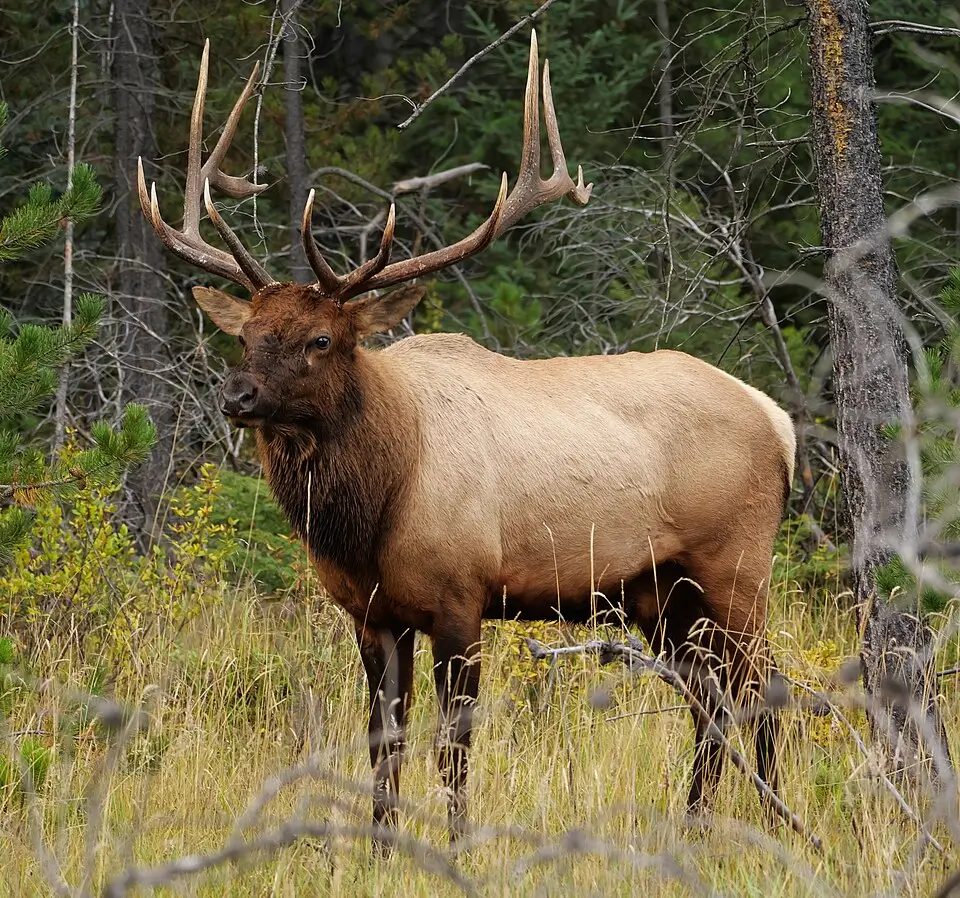
One of the most iconic features of the elk is, without question, the antlers of the mature bull. Grown and shed annually, these structures are among the fastest-growing tissues in the animal kingdom. A mature bull's antlers can span five feet or more in width and weigh upward of 40 pounds. Antlers begin growing in spring, covered in a soft, blood-vessel-rich tissue known as velvet, and are fully hardened by late summer in preparation for the autumn rut.
The rut — the elk's breeding season — typically takes place in September and October, and it is during this period that elk behavior becomes most dramatic and most visible. Bulls engage in bugling, a haunting, multi-note vocalization that serves to attract cows and challenge rival males. Physical sparring between bulls, involving the locking of antlers and tests of strength, is common. Dominant bulls may assemble harems of a dozen or more cows, which they defend vigorously against competing males.
Elk are ruminants, meaning they have a four-chambered stomach and chew their cud to break down plant material. Their diet is highly varied and seasonal, consisting of grasses, sedges, forbs, and browse depending on what is available. They are most active during dawn and dusk — a behavioral pattern known as crepuscular activity — though they may be seen grazing throughout the day and night depending on season, habitat, and hunting pressure.
Calves are born in late spring, typically in May or June, following a gestation period of approximately 240 to 262 days. Newborn calves are spotted, which provides camouflage in dappled light, and they are capable of standing and running within hours of birth. Cows generally give birth to a single calf, though twins are occasionally recorded. Calves grow rapidly and are weaned by autumn.
Elk are social animals, with cows, calves, and young bulls typically living in herds, while mature bulls tend to be more solitary outside of the rut. Their communication repertoire extends beyond bugling to include a range of barks, mews, and chirps that serve various social functions.
Habitat & Range
Elk are highly adaptable animals capable of thriving across a remarkable range of environments. Historically, Cervus canadensis ranged across much of North America, from the Pacific Coast to the Atlantic seaboard and from Canada well into Mexico. Unregulated hunting and extensive habitat loss during the 18th and 19th centuries dramatically reduced both their range and their numbers, extirpating elk from large portions of their original territory.
Today, elk populations are found primarily in the western United States, Canada, and portions of the Upper Midwest and Great Lakes region, largely as a result of successful reintroduction and management programs. They inhabit a wide variety of ecosystems, including subalpine meadows, mixed conifer forests, sagebrush plains, river bottoms, and grassland edges. Regardless of the specific ecosystem, elk tend to favor areas that offer a combination of open feeding areas and forested or brushy cover for security.
In North Dakota, elk are found in select portions of the state, particularly in the rugged badlands of the western region and in areas near river corridors and woody draws that provide food and shelter. North Dakota sits at the eastern edge of substantial elk country, and the animals found there represent a meaningful part of the Great Plains elk population. The state's blend of grasslands, wooded coulees, and river breaks offers suitable conditions for elk to thrive, and the species has established a notable presence there over time.
Hunting Information
Elk hunting is one of the most sought-after and storied pursuits in all of North American big game hunting. The challenge of pursuing a large, alert, and intelligent animal in demanding terrain — often at high elevations or in remote wilderness — has made elk hunting a pinnacle experience for many hunters. The elk's keen senses of smell, hearing, and vision, combined with the sheer size of the country elk often inhabit, demand skill, fitness, and patience from those who pursue them.
In North Dakota, elk hunting is regulated and managed by the North Dakota Game and Fish Department. As is the case with several other prized big game species in the state — including bighorn sheep, deer, moose, pronghorn, and tundra swan — elk licenses in North Dakota are allocated through a lottery system. This approach reflects the state's commitment to careful, science-based wildlife management. By controlling the number of hunters in the field through a controlled draw, wildlife managers help ensure that elk populations remain healthy and sustainable for future generations.
Because North Dakota elk licenses are distributed by lottery, prospective hunters are encouraged to apply through the proper channels with the North Dakota Game and Fish Department. Those fortunate enough to draw an elk tag in North Dakota are in for a remarkable experience. Hunting elk on the mixed prairie and badlands terrain of western North Dakota presents a unique set of challenges and rewards distinct from hunting elk in the mountains of the West. Glassing wide-open country, reading terrain, and executing careful stalks across open ground require a different skill set — and offer a different kind of adventure — than hunting timbered mountain slopes.
Archery, rifle, and muzzleloader seasons are common elk hunting formats across the United States, and hunters pursuing elk in North Dakota should consult the most current regulations from the North Dakota Game and Fish Department to understand season structures, legal equipment, and any applicable rules for the areas they intend to hunt.
Conservation
The conservation story of the elk in North America is, in many ways, a story of redemption. Once pushed to the brink of elimination across vast stretches of its historic range, Cervus canadensis has rebounded impressively thanks to decades of dedicated conservation work. The role of hunters, through license fees and the Federal Aid in Wildlife Restoration Act (commonly known as the Pittman-Robertson Act), has been central to funding wildlife management programs that have made elk recovery possible.
Today, elk populations across North America number in the hundreds of thousands, with well-managed herds in numerous states and provinces. Organizations such as the Rocky Mountain Elk Foundation have invested substantially in habitat conservation, land access, and research to support healthy elk populations across the continent.
In North Dakota, the lottery-based licensing system for elk is itself a conservation tool — a mechanism that ensures hunting pressure is calibrated to the carrying capacity of available habitat and the needs of the population. This approach exemplifies the North American Model of Wildlife Conservation, a set of principles that has guided successful wildlife management on this continent for over a century.
Chronic Wasting Disease (CWD) is a concern for cervid species across North America, including elk, and wildlife agencies — including the North Dakota Game and Fish Department — actively monitor for and manage CWD as part of their broader conservation responsibilities. Hunters play an important role in this effort by complying with regulations related to the transport of harvested animals and by reporting harvests for sampling purposes.
The elk's continued presence on the North Dakota landscape is a source of pride for the state's wildlife managers, hunters, and outdoor enthusiasts. Whether encountered at dawn in the breaks of the Little Missouri or pursued across the rolling prairies of the west, the elk remains an enduring symbol of what careful stewardship and conservation commitment can achieve.