The Wild Turkey: An Icon of North American Wildlife and Its Presence in Arizona
Introduction
The wild turkey (Meleagris gallopavo) is one of the most iconic and recognizable birds native to North America. A symbol of the continent’s abundant natural resources and a key species in its ecological tapestry, the wild turkey has a rich history intertwined with the land and its people. From its revered status among Indigenous cultures to its near disappearance and remarkable recovery in the modern era, the story of the wild turkey is one of resilience and successful wildlife management. In the diverse landscapes of Arizona, from desert scrub to mountainous woodlands, the wild turkey finds a variety of habitats that support its populations. This article explores the biology, habitat, and general hunting context of the wild turkey, with a particular focus on its place within the state of Arizona.
Biological Traits
The wild turkey is a large, ground-dwelling bird belonging to the family Phasianidae, which also includes pheasants, quail, and chickens. It is the heaviest member of the order Galliformes. There is notable sexual dimorphism, meaning males and females look distinctly different. Adult males, known as toms or gobblers, are significantly larger, often weighing between 11 to 25 pounds and measuring 39 to 49 inches in length. Females, called hens, are smaller and more cryptically colored, weighing between 5 to 12 pounds.
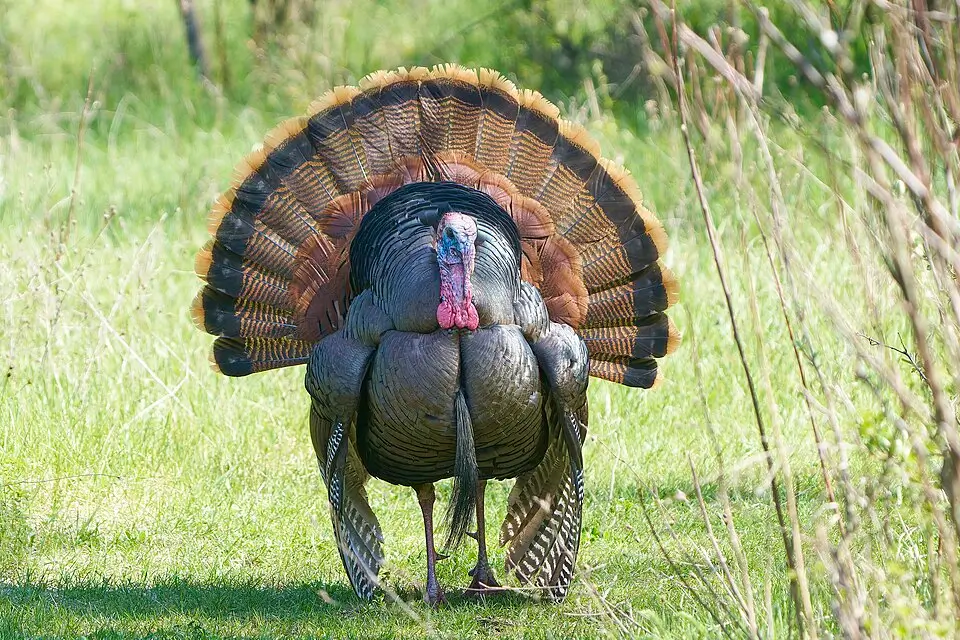
The plumage of the wild turkey is a marvel of natural engineering, offering both camouflage and communication. Feathers are generally dark, with a bronze-green iridescent sheen on the body feathers of males. The tail feathers are long and fan-shaped, with rusty or white tips. A key distinguishing feature of the male is his bare head and throat, which can change color rapidly from red to blue to white based on his state of arousal or excitement. Fleshy, featherless appendages include the snood, a flap that hangs over the beak, and the wattle, a flap under the chin. Males also have a tuft of coarse, dark feathers called a "beard" projecting from the center of their breast, which can grow over 10 inches long. Some hens also sport beards, though they are typically smaller.
Wild turkeys possess excellent senses, crucial for survival. Their vision is superb, with color perception and a wide field of view, allowing them to detect predators from a distance. Their hearing is equally acute. Despite their size, they are remarkably agile. Their strong legs are adapted for running at speeds up to 25 miles per hour, and their powerful wings enable short bursts of flight, often to reach the safety of trees at night—a behavior known as roosting. Their diet is omnivorous and opportunistic, consisting of nuts, seeds, fruits, insects, and occasionally small vertebrates. This varied diet allows them to thrive in diverse environments.
Habitat & Range
Historically, wild turkeys roamed across much of what is now the United States and Mexico. Their range stretched from the eastern forests to the open plains and into the southwestern deserts. However, by the early 20th century, unregulated hunting and widespread habitat loss had decimated populations, eradicating them from many areas, including much of their native range in the Southwest.
Today, thanks to intensive conservation and relocation efforts, the wild turkey has been restored to much of its historical range. They are found in 49 U.S. states (all except Alaska) and in parts of Mexico. Their adaptability is key to their success. While often associated with mature hardwood forests, wild turkeys are highly adaptable and can thrive in a mosaic of habitats. They require a combination of open areas for feeding and mating displays, dense brush for nesting and cover from predators, and mature trees for roosting.
In Arizona, this adaptability is on full display. The state’s varied topography and vegetation types provide excellent habitat for several subspecies of wild turkey. The Merriam’s wild turkey, with its distinctive white-tipped tail and lower back feathers, is native to the ponderosa pine forests of Arizona’s mountain ranges, including the Mogollon Rim and the Sky Islands in the southeast. These forested "islands" offer the necessary mix of resources. Additionally, the Gould’s wild turkey, a larger subspecies with more white on the wing and tail feathers, is found in the oak woodlands and pine-oak forests of the sky island regions along the border with Mexico. Their presence in Arizona makes the state a unique destination for wildlife enthusiasts.
Hunting Information
Hunting has played a complex role in the history of the wild turkey. It was a primary cause of its decline, but regulated, sustainable hunting is now a cornerstone of its conservation and a deeply valued outdoor tradition. Turkey hunting is known for being a challenging and engaging pursuit, requiring patience, skill, and knowledge of the bird’s behavior.
In Arizona, the management of wild turkey hunting falls under the purview of the Arizona Game and Fish Department (AZGFD). As of the information available from the provided source, specific season dates, license requirements, and bag limits are not detailed. Therefore, anyone interested in hunting wild turkey in Arizona must consult the official regulations published annually by the AZGFD. These regulations are carefully crafted based on scientific population surveys to ensure harvests are sustainable and do not negatively impact the long-term health of the turkey populations.
Generally, turkey hunting seasons in many states, including those with similar ecosystems to Arizona, are structured around the bird’s breeding seasons. A spring season often allows hunters to use calls to attract responsive gobblers during the mating period. A fall season may also be offered, focusing on flocks of birds after the breeding season. Methods typically include calling with diaphragm or box calls, using decoys, and employing ambush tactics near roosting or feeding areas. The use of shotguns or bows is common. Hunters are often required to purchase a specific turkey tag or permit in addition to a general hunting license. Given the dynamic nature of wildlife regulations, it is imperative to check the most current rules before planning any hunt.
Conservation
The story of the wild turkey is one of North America’s greatest conservation success stories. In the 1930s, it was estimated that fewer than 30,000 wild turkeys remained in the United States. Their recovery is credited to the dedicated efforts of wildlife agencies, hunters, and conservation organizations. The key strategies involved strict protection under game laws, habitat restoration, and innovative relocation programs. The National Wild Turkey Federation (NWTF), founded in 1973, has been instrumental in raising funds and coordinating efforts to restore turkey populations across their range.
In Arizona, conservation efforts have been vital to sustaining and growing populations of the Merriam’s and Gould’s subspecies. Projects often focus on improving habitat by thinning overgrown forests to promote the growth of understory plants that provide food and cover, and by ensuring water sources are available. The revenue generated from the sale of hunting licenses and tags is a primary funding source for these conservation initiatives, creating a direct link between responsible hunters and the health of the wildlife they pursue.
Today, the wild turkey population across North America is estimated in the millions. This remarkable rebound is a testament to what can be achieved through science-based management, regulated hunting, and a collective commitment to preserving natural heritage. Continued vigilance is necessary to address modern challenges such as habitat fragmentation, disease, and changing land-use practices, but the future of the wild turkey looks secure thanks to the conservation framework established over the past century.
Frequently Asked Questions
What is the scientific name for the wild turkey?
The scientific name for the wild turkey is Meleagris gallopavo.
Can you hunt wild turkey in Arizona?
Yes, regulated wild turkey hunting is available in Arizona. However, specific season dates, license requirements, and bag limits are not provided in this source. Hunters must consult the annual regulations published by the Arizona Game and Fish Department for current rules.
What subspecies of wild turkey are found in Arizona?
Arizona is home to two native subspecies: the Merriam's wild turkey, found in mountain ponderosa pine forests, and the Gould's wild turkey, found in the sky island oak-pine woodlands along the southern border.
Why is the wild turkey considered a conservation success story?
The wild turkey was nearly extinct in the early 20th century due to overhunting and habitat loss. Through strict protections, habitat restoration, and carefully managed relocation programs led by wildlife agencies and organizations like the National Wild Turkey Federation, populations have rebounded to millions across North America.
What are some key physical features of a male wild turkey?
Male wild turkeys, called toms, have a bare, brightly colored head with fleshy snood and wattles, a dark, iridescent plumage, a fan-shaped tail, and a tuft of breast feathers called a beard. They are larger and more colorful than females.