The White-tailed Deer: A Comprehensive Guide to a North American Icon
Introduction
The White-tailed deer (Odocoileus virginianus) is one of the most widely recognized and ecologically significant mammals in the Americas. Its presence stretches from the southern reaches of Canada to the northern parts of South America, making it a true symbol of adaptability and resilience. For wildlife enthusiasts, hunters, and casual observers alike, the sight of a white-tailed deer—whether glimpsed at dawn in a misty meadow or spotted along a forest edge—remains a quintessential experience of the North American wilderness. This article delves into the biological characteristics, habitat, range, and the human dimension of this species, including its significance in hunting and conservation, with a specific look at its context in a state like Arizona.
Biological Traits
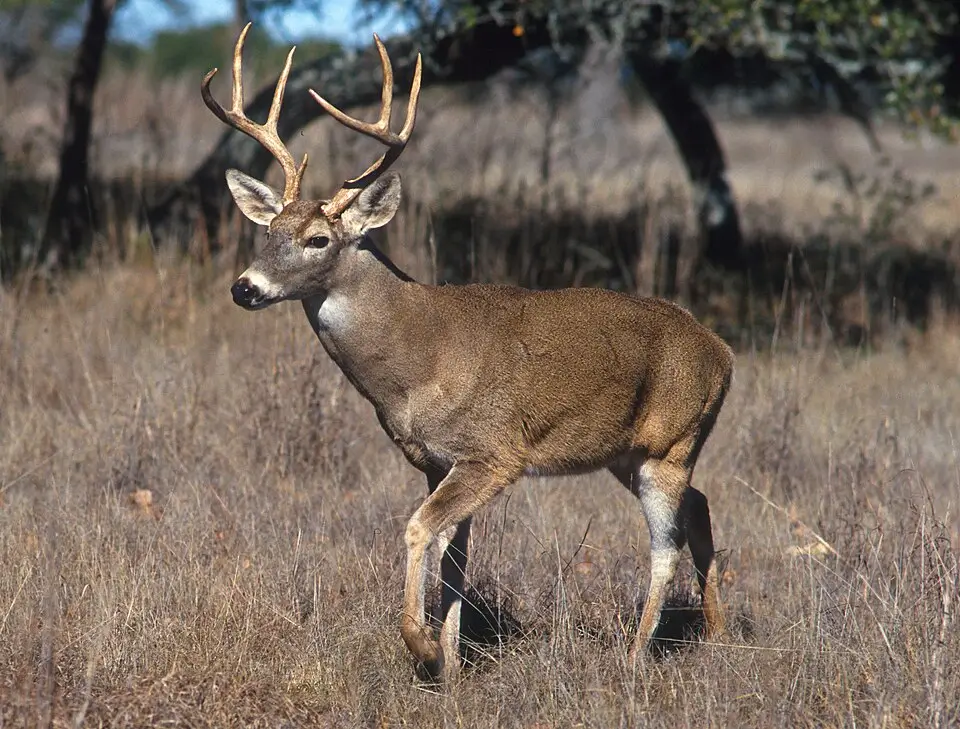
The white-tailed deer is a medium-sized member of the family Cervidae. Its most distinguishing feature, and the source of its common name, is the long tail that is brown on top and pure white underneath. When alarmed, a deer will raise this tail like a flag, flashing the bright white as a warning signal to others in its group before bounding away.
An adult male, known as a buck, typically stands about 3 to 3.5 feet tall at the shoulder. Body size can vary significantly across their range, with deer in northern climates generally being larger than their southern counterparts. A healthy buck can weigh between 150 to over 300 pounds, while females, called does, are generally smaller, ranging from 90 to 200 pounds.
One of the most fascinating biological traits of the white-tailed deer is its antler cycle. Only bucks grow antlers, which are true bone structures that are shed and regrown annually. The growth process is one of the fastest known in the animal kingdom, fueled by a rich blood supply during the summer months. As fall approaches, the blood supply is cut off, the velvet covering dries and is rubbed off against trees, leaving the hard, polished bone. Antlers serve as weapons and symbols of status during the autumn rut, or mating season. After the breeding season concludes, the antlers are shed, typically in late winter, and the cycle begins anew.
Their coat also changes with the seasons. In summer, the fur is a reddish-brown, thin, and sleek. As autumn approaches, this coat is replaced by a thicker, grayish-brown winter coat, which provides essential insulation against the cold. The insulating properties of this winter fur are so effective that snow accumulating on a deer's back will not melt, a testament to its efficiency.
White-tailed deer are herbivores with a highly varied diet. They are classified as browsers, meaning they primarily eat leaves, twips, fruits, and nuts from a wide variety of plants. Their diet shifts seasonally: in spring and summer, they consume lush forbs, grasses, and agricultural crops like alfalfa and soybeans. In fall, they rely heavily on hard mast like acorns and beechnuts, which provide critical fat reserves for winter. During the lean winter months, they survive on woody browse, such as the twigs and buds of trees and shrubs. Their four-chambered stomach allows them to digest this tough plant material efficiently, a adaptation that aids their survival in diverse environments.
Habitat & Range
The white-tailed deer is a habitat generalist, thriving in a remarkable array of environments. This adaptability is a key reason for its vast range. They are most commonly associated with edges—the transitional zones between forests and open areas. These edges provide a combination of food from the open land and cover from the forest for protection and bedding.
Their preferred habitats include deciduous and mixed forests, which offer abundant browse and mast. However, they are equally at home in coniferous forests, grasslands, savannahs, and even coastal marshes. Their ability to adapt to human-altered landscapes is exceptional. They flourish in agricultural regions, suburban woodlots, and the fringes of urban areas where food is plentiful and natural predators are often absent.
This adaptability has led to a continental range that is vast. In North America, white-tailed deer are found from southern Canada through all of the contiguous United States and into Mexico. They are absent from parts of the southwestern U.S. deserts and high mountain peaks where conditions are too arid or severe. In Arizona, for example, they are present but their distribution is tied to specific habitat types that provide the necessary food, water, and cover. They can be found in the state's mountainous "sky island" forests, riparian corridors along desert rivers, and semi-arid brushlands. Their presence is a strong indicator of a healthy ecosystem, as they depend on a mosaic of vegetation types to meet their year-round needs.
Hunting Information
The white-tailed deer is the most popular big game animal in North America, and hunting plays a crucial role in its management. Regulated hunting is the primary tool used by wildlife agencies to maintain deer populations at levels that are sustainable for both the habitat and human interests. Without hunting pressure, deer populations can exceed the "carrying capacity" of their environment, leading to overbrowsing, which damages forests and agricultural crops, increases deer-vehicle collisions, and can lead to widespread starvation and disease among the deer herd themselves.
Hunters must always consult official state wildlife agency regulations for the most accurate and current information regarding season dates, licensing requirements, bag limits, and legal hunting methods. These regulations are science-based and designed to ensure the long-term health of the deer population.
For those interested in pursuing white-tailed deer in Arizona, it is essential to understand that specific rules are established by the Arizona Game and Fish Department. The source data provided does not contain official season dates or license information for the state. Therefore, prospective hunters are strongly advised to visit the official Arizona Game and Fish Department website or contact them directly to obtain the definitive rules, application procedures for permits, and season dates. Hunting regulations can change annually based on population surveys and management objectives, making reliance on official sources imperative.
Conservation
The story of the white-tailed deer in North America is one of conservation success. In the early 20th century, unregulated market hunting and extensive habitat loss had decimated deer populations across much of their range, with some herds being driven to local extinction. The conservation movement, led by hunters and wildlife professionals, advocated for strict game laws, the establishment of hunting seasons and bag limits, and the funding of wildlife management through the sale of hunting licenses and excise taxes on sporting goods (a model known as the North American Model of Wildlife Conservation).
These efforts, combined with habitat restoration and predator management, allowed deer populations to rebound dramatically. In many areas, the success has been so complete that the challenge has shifted from protecting deer from over-exploitation to managing abundant populations. Today, healthy and huntable herds of white-tailed deer exist across most of their historical range, a testament to effective, science-based wildlife management.
This ongoing management continues to address modern challenges, including the spread of chronic wasting disease, habitat fragmentation due to development, and the complexities of managing deer in suburban interfaces. The commitment to conservation ensures that future generations will continue to have the opportunity to observe, appreciate, and sustainably hunt this iconic species.
Frequently Asked Questions
What is the scientific name for the White-tailed deer?
The scientific name for the White-tailed deer is *Odocoileus virginianus*.
Why do White-tailed deer raise their tails?
White-tailed deer raise their tails to flash the bright white underside as a visual alarm signal to other deer, warning them of potential danger before fleeing.
What is the primary purpose of regulated hunting for White-tailed deer?
Regulated hunting is the primary wildlife management tool used to maintain deer populations at sustainable levels for the habitat, prevent overbrowsing, reduce deer-vehicle collisions, and ensure the overall health of the herd.
Can you hunt White-tailed deer in Arizona?
Yes, White-tailed deer are present in Arizona and huntable populations exist. However, specific season dates, license requirements, and regulations are set by the Arizona Game and Fish Department and were not available in the source data. Hunters must consult the official agency for current rules.
How did White-tailed deer populations recover in the 20th century?
Populations recovered through the implementation of strict game laws, the establishment of hunting seasons and limits, and conservation funding from hunters, which together allowed herds to rebound from near-decimation.