The Snowshoe Hare: A Master of Seasonal Adaptation
In the vast, snow-blanketed forests of North America, few creatures embody the cycle of the seasons as dramatically as the Snowshoe hare (Lepus americanus). This remarkable lagomorph is not just another forest dweller; it is a specialist of survival, whose very existence is woven into the fabric of its boreal environment. From its namesake oversized feet to its breathtaking seasonal cloak, the Snowshoe hare is a fascinating subject for wildlife enthusiasts, hunters, and ecologists alike. This article delves into the biology, habitat, and ecological significance of this iconic species, while also exploring its relationship with humans, including the context of hunting in regions like the Southwestern United States.
Introduction
The Snowshoe hare, a member of the family Leporidae, is a medium-sized mammal renowned for its incredible adaptations to life in deep, northern snows. Its scientific name, Lepus americanus, hints at its widespread presence across the North American continent. While not the largest hare in its range, its evolutionary innovations—particularly its hind feet and its seasonal pelage—make it one of the most recognizable and ecologically pivotal small mammals in the northern wilds. Its population dynamics famously influence entire predator communities, making it a classic example of a keystone species in boreal ecosystems.
Biological Traits
The Snowshoe hare is most celebrated for two extraordinary biological adaptations: its seasonal camouflage and its specialized feet.
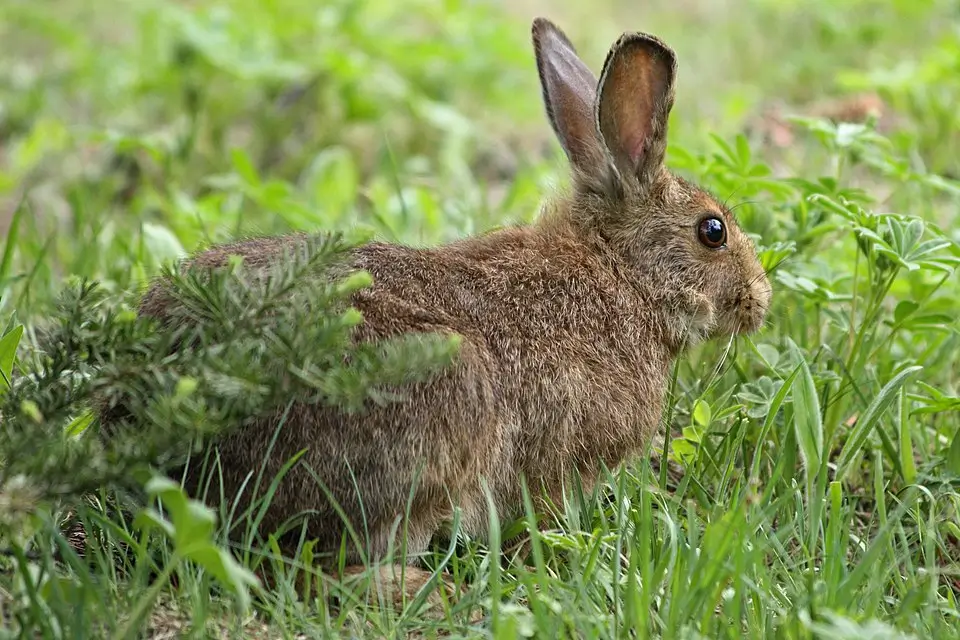
Seasonal Camouflage: The hare's most striking feature is its ability to change color with the seasons. In the summer, its coat is a rusty brown or grayish-brown, allowing it to blend seamlessly with the soil, rocks, and vegetation of the forest floor. As autumn approaches and days shorten, a hormonal response triggers a gradual molt. The brown fur is replaced by a thick, pure white coat, providing near-perfect camouflage against the winter snow. This transformation is not instantaneous but follows a pattern, often starting with the feet and moving up the body. The reverse process occurs in the spring. This adaptation is crucial for avoiding predators, as it breaks up the hare's outline in its seasonal environment.
Physical Adaptations: True to its name, the Snowshoe hare has exceptionally large hind feet. The soles of these feet are covered in stiff, coarse hairs that spread out its weight, creating a natural "snowshoe" effect. This prevents the hare from sinking into deep, soft snow, a significant advantage over predators like the Canada lynx, whose paws, while also large, are not as efficient in powdery conditions. This adaptation allows for swift, bounding movement across snow-covered terrain, essential for escaping threats. Additionally, the hare has long, powerful hind legs for running and jumping, and large ears that are shorter than those of some other hare species, an adaptation to minimize heat loss in cold climates.
Diet and Behavior: As a herbivore, the Snowshoe hare's diet is seasonal. In the summer, it feeds on a variety of grasses, clover, dandelions, ferns, and other leafy green plants. When winter blankets the landscape, its diet shifts to the buds, twigs, and bark of willows, birches, alders, and conifers. They are primarily nocturnal and crepuscular, feeding most actively from dusk until dawn. To digest tough plant material, they practice coprophagy—re-ingesting their own specialized droppings (cecotropes) to extract maximum nutrients, a common trait among lagomorphs.
Habitat & Range
The Snowshoe hare is fundamentally a creature of the boreal forest, or taiga, and mixed woodlands across northern North America. Its range forms a vast arc from the interior of Alaska and Canada, south through the Rocky Mountains into the northern states of the U.S., and across the Great Lakes region to New England.
The ideal habitat for a Snowshoe hare is a dense forest with a thick understory. They favor areas with abundant ground cover—such as saplings, shrubs, and low-hanging conifer branches—which provides both food and crucial shelter from predators. This dense cover, known as "browse line," is essential for their survival. Forest edges, regenerating logged areas, and swampy thickets are also common habitats. The density of their population is intrinsically linked to this vegetative cover.
A key ecological concept associated with the Snowshoe hare is its dramatic, cyclical population boom and bust, famously studied in the boreal forests of Canada. Approximately every 8 to 11 years, hare populations surge to peak densities, only to crash precipitously over the following year or two. These cycles are driven by a complex interplay of food availability, predation, and stress, and they directly cause corresponding cycles in predator populations, such as the Canada lynx, foxes, raptors, and great horned owls.
Hunting Information
For hunters, the Snowshoe hare is a popular small game species across much of its range, valued for both the sport of the chase and its lean, fine-grained meat. However, hunting regulations are specific and localized, determined by state and provincial wildlife agencies to ensure sustainable populations.
It is critical for anyone interested in hunting Snowshoe hares to consult the official regulations of the specific state or province where they intend to hunt. Regulations will specify:
- Season Dates: Hunting seasons are typically set during fall and winter, often when the hares are in their white coat and populations are most stable. Season dates can vary annually.
- Bag Limits: Daily and possession limits are imposed to prevent overharvest.
- Licensing: A valid state hunting license and, often, a specific small game permit are required.
Regarding Arizona: The provided source data does not contain official hunting information for Snowshoe hares in Arizona. Furthermore, the Snowshoe hare is a species of northern, forested, snowy environments. Its native range does not extend to the arid southwestern landscapes of Arizona. Therefore, there is no established hunting season or population of Snowshoe hares in the state of Arizona. Any small game hunting opportunities in Arizona would involve other native species, and hunters must always refer to the Arizona Game and Fish Department for accurate rules, licensing, and season dates for permissible game species.
Conservation
Overall, the Snowshoe hare is classified as a species of "Least Concern" by the International Union for Conservation of Nature (IUCN) due to its extensive range and large total population. However, this broad status belies significant local and regional threats that warrant attention.
The hare's reliance on seasonal camouflage makes it uniquely vulnerable to climate change. With decreasing snowfall and shorter snow duration in many parts of its range, a white hare on a brown landscape becomes exceptionally conspicuous to predators, increasing predation rates. This "camouflage mismatch" is a direct and growing threat to local populations.
Furthermore, habitat loss from logging, forest fragmentation, and development can reduce the dense understory cover essential for their survival. Conservation efforts for the Snowshoe hare are therefore closely tied to sustainable forest management practices that maintain thickets and undergrowth, and to global efforts to mitigate climate change. Its role as a primary prey species for threatened predators like the Canada lynx also makes its conservation critical for maintaining broader ecosystem health.
In conclusion, the Snowshoe hare is a quintessential symbol of the northern wilderness, a master of adaptation whose life is a delicate dance with the seasons. From its snowshoe feet to its changing coat, every aspect of its biology tells a story of survival in a demanding environment. While it provides cherished recreational opportunities for hunters across its native range, its future is closely tied to the health of the forests and the stability of the climate. Understanding and protecting this remarkable species ensures the preservation of the intricate ecological tapestry it helps sustain.
Frequently Asked Questions
Why does the Snowshoe hare change color?
The Snowshoe hare changes color for seasonal camouflage. Its brown summer coat blends with soil and vegetation, while its white winter coat provides concealment against snow, helping it avoid predators like lynx, owls, and foxes.
What do Snowshoe hares eat?
Their diet is seasonal. In summer, they eat grasses, clover, ferns, and leafy plants. In winter, they switch to buds, twigs, and bark from trees and shrubs like willows, birch, and alder.
How do Snowshoe hares adapt to deep snow?
They have large, furred hind feet that act as natural snowshoes, distributing their weight to prevent sinking. This adaptation allows them to move quickly and efficiently across deep, soft snow, outmaneuvering some predators.
Are there Snowshoe hares in Arizona?
No. The Snowshoe hare is native to northern, forested, and snowy biomes like the boreal forest. Its natural range does not include the arid southwestern environment of Arizona. There is no established population in the state.
Can you hunt Snowshoe hares in Arizona?
No, there is no hunting season for Snowshoe hares in Arizona because they are not native to the state. Individuals interested in small game hunting in Arizona must consult the Arizona Game and Fish Department for regulations on native species.