The Majestic Sandhill Crane: A Profile of North America's Ancient Bird
Introduction
The Sandhill crane (Grus canadensis) is one of North America's most recognizable and awe-inspiring birds. With a lineage stretching back millions of years, these tall, elegant cranes capture the imagination of birdwatchers, hunters, and nature enthusiasts alike. Known for their spectacular migratory flocks, resonant calls, and impressive courtship dances, Sandhill cranes are a keystone species in many wetland ecosystems. This article explores the biological characteristics, habitat, range, and conservation status of this remarkable bird, while also addressing the context of its presence and management in the Southwestern United States, particularly Arizona.
Biological Traits
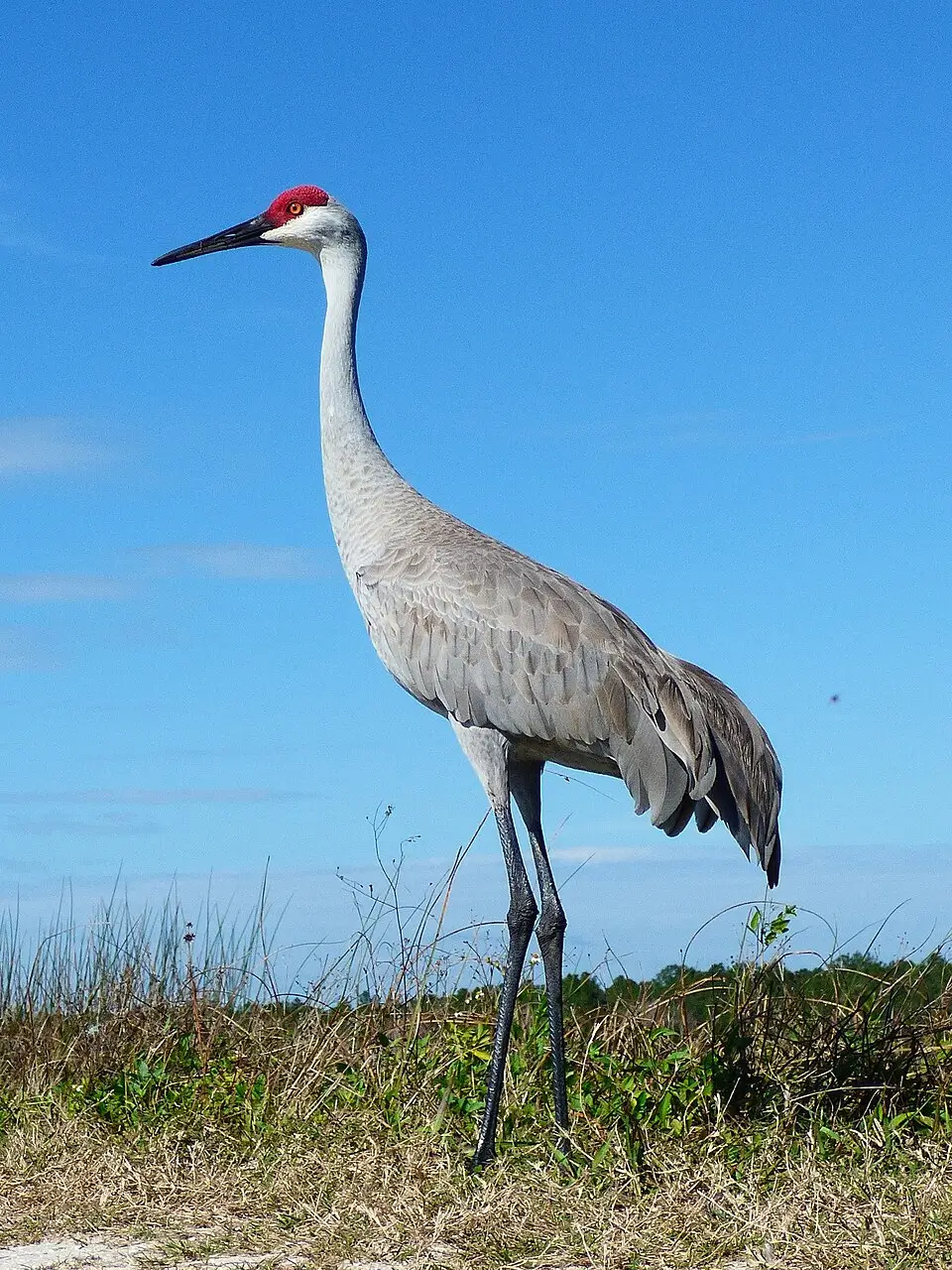
The Sandhill crane is a large, long-legged wading bird belonging to the family Gruidae, which includes the world's cranes. Adults typically stand between 3 to 4 feet tall, with a wingspan that can exceed 6 feet. Their plumage is primarily a somber, grayish color, which can appear almost brownish or rust-colored during certain seasons due to their habit of preening with iron-rich mud. A distinctive feature is the bright red crown atop their head, which contrasts sharply with their pale cheeks and long, dark, pointed bill. Juveniles lack this red crown and instead have a rufous-brown overall coloring.
These cranes are omnivores, with a diet that varies seasonally and by habitat. They forage in open marshes, fields, and prairies, eating seeds, berries, insects, snails, reptiles, and small mammals. In agricultural areas, they readily feed on waste grain, corn, and other crops, which can sometimes bring them into conflict with farmers.
Sandhill cranes are renowned for their spectacular courtship displays. Pairs engage in a coordinated ballet of bows, leaps, and tosses of vegetation into the air, all while issuing their famous, loud, trumpeting calls. These vocalizations, which can be heard from more than a mile away, are a defining sound of the marshes and skies they inhabit. Once paired, Sandhill cranes often mate for life. They build nests in wetlands, constructing large mounds of vegetation where the female typically lays two eggs. Both parents share in the incubation and care of the young, known as colts, which are able to walk and swim shortly after hatching.
Habitat & Range
The Sandhill crane boasts one of the broadest breeding ranges of any crane species. Their habitat preference centers on wetlands—bogs, marshes, and wet meadows—where they nest in shallow water or on elevated mounds. However, their adaptability has allowed them to thrive in a variety of landscapes. During migration and winter, they use agricultural fields, grasslands, and even desert scrublands as crucial stopover and wintering grounds.
Their range extends across a vast portion of North America. Several distinct populations undertake incredible annual migrations. The Mid-Continent population, one of the largest, breeds in the wetlands of Canada and the northern United States, including parts of Alaska. These birds migrate in immense, swirling flocks that number in the hundreds of thousands, famously staging at locations like Nebraska's Platte River valley. Their wintering grounds stretch from the southern United States into northern Mexico.
Other populations are more sedentary. The Mississippi Flyway population and the Cuban population (a non-migratory subspecies) have more limited ranges. In the western part of the continent, cranes breeding in the Pacific Northwest and parts of the Intermountain West winter in California's Central Valley and other western states. It is through these migratory pathways and resident populations that Sandhill cranes can be found seasonally in states like Arizona. While not typically considered a core breeding area, Arizona's riparian corridors, agricultural areas, and wetlands serve as important wintering and stopover sites for cranes traveling along the western flyway.
Hunting Information
The Sandhill crane is a legal game bird in many parts of the United States and Canada, managed through regulated hunting seasons that are carefully tied to population health. Hunting is typically permitted for the larger, more abundant Mid-Continent and other migratory populations. Seasons and bag limits are established by individual states and provinces under the framework of the Migratory Bird Treaty Act.
Specific regulations—such as season dates, licensing requirements, and permit systems—vary significantly by state and by the specific crane population within that state's borders. For the state of Arizona, official hunting information for Sandhill cranes is not available from the provided source data. Therefore, specific season dates, licensing details, and local regulations cannot be provided here. It is essential for anyone interested in Sandhill crane hunting in any state to consult the official wildlife agency (for Arizona, the Arizona Game and Fish Department) for the most current, accurate, and legal information. In areas where it is permitted, crane hunting is a highly regulated activity that contributes to conservation funding through license sales and excise taxes on equipment.
Conservation
The story of the Sandhill crane is largely one of conservation success. While some subspecies, like the Mississippi Sandhill crane (a non-migratory resident of Mississippi) and the Cuban Sandhill crane, remain endangered, the species as a whole has seen remarkable population recovery. The Mid-Continent population, once in decline due to habitat loss and overhunting, now numbers in the hundreds of thousands, thanks to dedicated conservation efforts, sustainable hunting management, and habitat protection.
Organizations such as the International Crane Foundation and the U.S. Fish and Wildlife Service work to protect critical wetland and grassland habitats along migration corridors and on breeding and wintering grounds. The preservation of large, undisturbed wetlands is crucial not only for cranes but for countless other species of waterfowl, shorebirds, and aquatic life.
Their continued presence and the thrilling spectacle of their migration underscore the importance of conserving wild spaces. Whether observed in a quiet Arizona marsh during winter or in a teeming Nebraska river valley during spring, the Sandhill crane remains a powerful symbol of the wildness and resilience of North America's natural heritage.
Frequently Asked Questions
How can you identify a Sandhill crane?
Look for a tall, long-legged bird with primarily gray plumage, a distinctive bright red crown on its head, and a long, dark bill. In flight, they hold their necks outstretched, unlike herons which fly with their necks pulled back.
What is the famous call of a Sandhill crane?
They produce a loud, rolling, trumpeting call that is often described as a rattling bugle. This call can carry over long distances and is a signature sound of their wetland habitats and migratory gatherings.
Can you hunt Sandhill cranes in Arizona?
Based on the source data provided, official hunting information for Sandhill cranes in Arizona is not available. Individuals must consult the Arizona Game and Fish Department directly for current regulations, season dates, and licensing requirements, as these can change and may vary by population unit.
Why are Sandhill cranes important to their ecosystem?
As omnivores, they help control insect and rodent populations and disperse seeds through their droppings. Their nesting activities can influence wetland vegetation structure, and they serve as a prey species for predators. They are also an indicator species for healthy wetland ecosystems.
What is the conservation status of the Sandhill crane?
The species as a whole is listed as Least Concern by the IUCN due to large, increasing populations, particularly the Mid-Continent population. However, some non-migratory subspecies, like the Mississippi and Cuban Sandhill cranes, are listed as Endangered.