The Red Fox: A Master of Adaptation in Arizona and Beyond
The Red fox (Vulpes vulpes) stands as one of the most recognizable and geographically widespread wild mammals on the planet. A member of the Canidae family, which includes dogs, wolves, and other foxes, this species has carved out a niche for itself across an astonishing array of environments, from the frozen tundra of the Arctic to the sun-baked deserts of the Southwest. Its success is a testament to its remarkable intelligence, dietary flexibility, and behavioral adaptability. In Arizona, a state defined by its dramatic landscapes ranging from high-altitude forests to sprawling deserts, the Red fox represents a fascinating example of a species thriving at the intersection of wild and human-modified environments. Understanding its biology, habitat, and relationship with people, including the context of hunting, provides a window into the complex ecology of the American Southwest.
Biological Traits: Anatomy of a Survivor
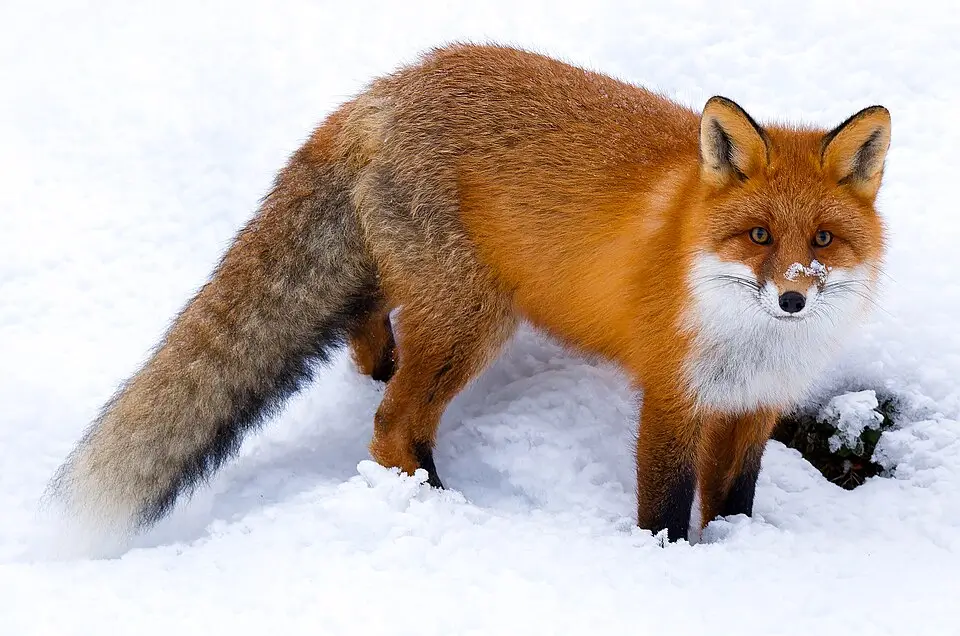
The Red fox is aptly named, though its coat color can vary dramatically. The typical image is of a dog-like creature with a rich, ruddy-red coat, a white-tipped tail, and black "stockings" on its legs. However, this species exhibits significant color morphs, including silver, cross, and even melanistic (black) forms. This variation not only adds to its visual appeal but may have historically aided in camouflage across different habitats. Physically, the Red fox is built for agility and stealth. It possesses a slender, elongated body, a bushy tail (often called a "brush") used for balance and communication, and notably large, pointed ears that serve as highly sensitive listening devices.
These physical traits are complemented by a suite of sophisticated behaviors. The Red fox is largely crepuscular and nocturnal, being most active during the twilight hours of dawn and dusk. This behavior helps it avoid larger predators and the heat of the day in warmer climates like Arizona. It is a solitary hunter, relying on its keen senses of hearing, smell, and sight. One of its most famous hunting techniques is "mousing," where it listens intently for the rustling of small rodents beneath grass or snow and then performs a high, arching pounce to pin its prey. This method demonstrates a remarkable ability to use sound to triangulate the precise location of a hidden target.
Communication within Red fox populations is complex, involving a rich vocabulary of vocalizations, body language, and scent marking. They use a series of barks, screams, and howls to convey messages over long distances, particularly during the winter mating season. Scent marking from glands located on their feet, face, and tail is used to delineate territory and signal reproductive status. Furthermore, the Red fox is known for its intelligence and problem-solving skills, often displaying curiosity and the ability to remember solutions to puzzles, such as accessing food sources. These cognitive abilities have been crucial for its survival and expansion alongside human developments.
Habitat & Range: From Global Success to Arizona's Landscapes
The Red fox's global range is immense, spanning the entire Northern Hemisphere. It is native to Europe, Asia, and North America, and has been introduced to Australia, where it is considered an invasive species. This incredible distribution is proof of its habitat generalist nature. It does not require pristine wilderness; instead, it can thrive in forests, grasslands, mountains, deserts, and increasingly, in suburban and agricultural edges where food is abundant.
Within North America, the Red fox is found from Alaska and Canada southward through the United States and into northern Mexico. In Arizona, its presence is particularly interesting. The state's diverse topography offers a variety of suitable habitats. Red foxes can be found in the higher-elevation ponderosa pine forests of the central highlands, the riparian corridors along rivers and streams, the scrublands of the desert basins, and the grasslands of the north. They are highly adaptable in these zones, often utilizing natural dens like rock crevices or old burrows dug by other animals such as badgers or prairie dogs. In human-altered landscapes, they may even dig dens under sheds, decks, or in quiet, undisturbed fields.
Their ability to live in proximity to humans has allowed them to become a common sight on the outskirts of many Arizona towns and cities. They are attracted to the availability of food, which can include unsecured garbage, pet food left outdoors, and rodents that thrive in gardens and landscaped areas. This proximity brings them into regular contact with people, making them one of the most visible medium-sized predators in the state. Their range within Arizona is not uniform; they are more common in areas that provide a combination of open space for hunting, cover for denning, and a reliable water source.
Hunting Information: Context and Considerations
Hunting is a significant aspect of the relationship between humans and the Red fox across much of its range. As a carnivore, it can sometimes come into conflict with human interests, particularly in agricultural areas where it may prey on poultry or young livestock. In many regions, regulated hunting and trapping are used as tools for population management and to mitigate these conflicts.
It is important to note that specific, official hunting regulations, season dates, and licensing requirements for Red fox in Arizona are not available in the provided source data. Wildlife management policies are set by state agencies, in this case, the Arizona Game and Fish Department (AZGFD). These regulations can change annually based on population surveys, ecological studies, and management objectives. Therefore, anyone considering hunting Red fox in Arizona must consult the most current official resources directly.
Generally speaking, across the United States, hunting seasons for species like the Red fox are often designed to manage populations and provide recreational opportunities. Methods might include calling (using predator calls to mimic the sounds of prey or other foxes), spot-and-stalk techniques, or trapping where legal. In Arizona, the context of hunting would need to consider the state's unique ecosystems and water scarcity. Hunters would need to be acutely aware of their environment, other protected species, and land access rules, which vary greatly between state, federal, and private lands. The absence of specific information here underscores the critical importance of seeking authoritative, up-to-date guidance from the AZGFD before planning any hunting activity. Ethical hunting practices, respect for the animal, and adherence to the law are paramount.
Conservation: A Stable and Widespread Species
From a conservation standpoint, the Red fox is listed as a species of "Least Concern" by the International Union for Conservation of Nature (IUCN) on a global scale. This positive status is directly attributable to its incredible adaptability and high reproductive rate. Unlike more specialized species, the Red fox is not threatened by habitat loss in the same way; in fact, human activities like agriculture and forestry have often created new, edge-type habitats that it exploits effectively.
However, local populations can face pressures. In some regions, they are susceptible to diseases such as rabies, canine distemper, and mange, which can cause temporary population declines. They also face predation from larger carnivores like coyotes, wolves, and eagles, though this is a natural ecological interaction. In Arizona, the coyote is a primary competitor and occasional predator.
The conservation challenge for the Red fox is less about its survival as a species and more about managing its interactions with humans. In suburban interfaces, conflicts can arise over predation on pets or perceived threats. Public education about coexistence—such as securing trash, not feeding wildlife, and supervising small pets—is often the most effective long-term strategy. The species' resilience and wide distribution serve as a reminder of nature's ability to persist and adapt. In Arizona's dynamic landscapes, the Red fox plays a role in controlling rodent populations and contributes to the rich biodiversity of the region. Its presence is a sign of a functioning ecosystem, even one touched by human hands, and a testament to the enduring wild spirit that continues to thrive in the American Southwest.
Frequently Asked Questions
What is the scientific name for the Red fox?
The scientific name for the Red fox is Vulpes vulpes.
Can you hunt Red fox in Arizona?
Specific regulations, season dates, and licensing requirements for hunting Red fox in Arizona are not provided in the sourced information. It is essential to consult the official Arizona Game and Fish Department (AZGFD) for the most current and authoritative rules before planning any hunting activity.
What kind of habitats do Red fox live in?
Red fox are habitat generalists. They can thrive in forests, grasslands, deserts, mountains, and increasingly in suburban and agricultural areas, as long as there is access to food, cover for denning, and water.
Why is the Red fox considered a species of least concern?
The Red fox is considered a species of least concern globally due to its incredibly wide geographical range, high adaptability to different environments, and a large, stable population size. It is not currently facing any widespread threat of extinction.
What do Red fox eat?
Red fox are opportunistic omnivores. Their diet is highly varied and includes small rodents, rabbits, birds, insects, fruits, berries, and carrion. In human areas, they may also scavenge garbage or eat pet food.