The Adaptable Raccoon: A Comprehensive Look at Procyon lotor
The raccoon, a creature synonymous with cleverness and adaptability, is one of North America's most recognizable mammals. With its distinctive black mask and ringed tail, the raccoon has carved out a successful niche across a vast range of environments, from dense forests to the heart of bustling cities. This article explores the biological traits, natural history, and relationship between humans and this remarkable animal, with a particular focus on its presence in the Southwestern state of Arizona.
Introduction
Often seen as a symbol of the wild even in urban settings, the raccoon (Procyon lotor) is a medium-sized mammal belonging to the family Procyonidae, which includes other animals like coatis and kinkajous. Its name is derived from the Powhatan word aroughcun, meaning "animal that scratches with its hands." This etymology hints at one of the raccoon's most famous traits: its incredibly dexterous front paws. Highly intelligent and curious, raccoons have demonstrated remarkable problem-solving abilities in both wild and experimental settings, allowing them to thrive in close proximity to human development. Their success story is one of adaptation, showcasing how a species can flourish by leveraging natural behaviors in a changing world.
Biological Traits
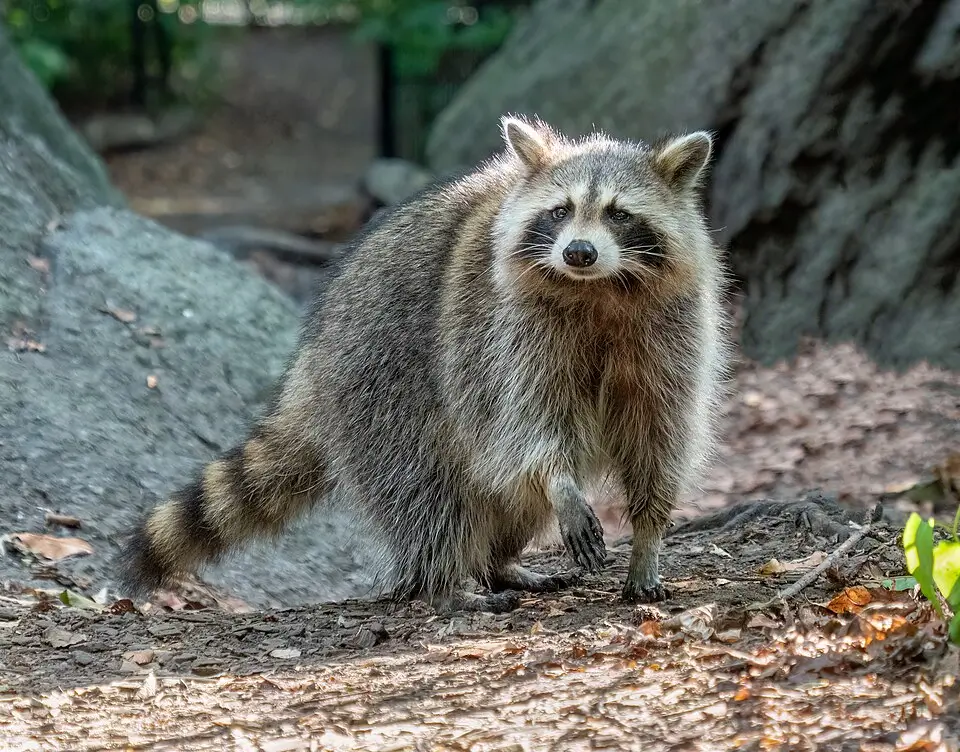
The raccoon is a sturdy animal with a body length typically ranging from 16 to 28 inches, and a weight that can vary dramatically from 10 to over 30 pounds depending on the season and habitat. Males are generally larger than females. Its most iconic feature is the black fur that masks its eyes, contrasting with the white fur on its face and around its nose. This dramatic coloration is thought to aid in night vision by reducing glare and enhancing the perception of contrast.
The raccoon's fur is a dense, grayish-brown undercoat topped with longer, coarser guard hairs, providing excellent insulation. Its bushy tail, marked with 4 to 7 black rings, serves as a crucial tool for balance and fat storage during lean winter months. Perhaps its most remarkable anatomical feature is its forepaws. These paws have five long, tapered fingers that function much like human hands, enabling a high degree of tactile sensitivity and grip. Studies have shown that a significant portion of the raccoon's brain's sensory area is dedicated to processing input from these paws, which they use to manipulate food, open containers, and explore their environment.
Raccoons are generally solitary, except during mating season or when a mother is raising her young. They are primarily nocturnal, a behavior that helps them avoid many predators and human activity. Their diet is omnivorous and opportunistic, reflecting their adaptability. In wild settings, they consume fruits, nuts, insects, frogs, eggs, and small rodents. In human-dominated areas, they are notorious for raiding garbage cans, pet food bowls, and gardens. Their natural lifespan in the wild is typically 2 to 3 years, though they can live much longer in captivity.
Habitat & Range
The raccoon's native range extends from southern Canada through most of the United States and into northern South America. They are incredibly versatile in their habitat requirements, thriving in deciduous and mixed forests, coastal marshes, mountainous areas, and prairies. A constant source of water is a common denominator in their preferred habitats, as they often "wash" their food in a process that enhances their tactile sensitivity—though this behavior is not always about cleanliness.
In the state of Arizona, raccoons are well-established. Arizona's diverse geography, which includes the Sonoran Desert, vast ponderosa pine forests, riparian corridors along rivers like the Colorado and the Gila, and urban centers like Phoenix and Tucson, provides a variety of suitable niches. They are particularly associated with permanent water sources and the lush vegetation that surrounds them. In Arizona, raccoons can be found from the lowland deserts, where they stick close to rivers and lakes, up into the forested mountain regions. Their adaptability allows them to live in suburban and agricultural areas, where they often come into conflict with humans over resources.
Hunting Information
Raccoons have a long history of interaction with humans, including as a furbearer. Hunting and trapping seasons for raccoons are established by state wildlife management agencies to help manage populations, minimize human-wildlife conflicts, and provide recreational opportunities. These regulations can vary significantly from state to state, specifying legal methods of take, season dates, and bag limits.
Regarding the state of Arizona, specific and current official hunting and trapping regulations for raccoons are not available within the provided source data. Wildlife management policies are subject to change, and individuals interested in such activities are strongly advised to consult the Arizona Game and Fish Department directly. This agency is the authoritative source for the most up-to-date information on licensing requirements, season dates, legal methods, and any county-specific rules that may apply to hunting or trapping raccoons within the state. Adhering to these official regulations is essential for ensuring that any harvest is conducted legally and sustainably.
Conservation
The raccoon's story, from a conservation perspective, is one of resilience and success. The International Union for Conservation of Nature (IUCN) classifies the raccoon as "Least Concern" on its Red List of Threatened Species, owing to its vast range and large, stable population. This success is attributed to its high intelligence, generalist diet, and remarkable ability to adapt to human-modified landscapes.
However, their proximity to humans does present challenges. Raccoons are primary vectors for rabies, a serious viral disease, and can carry raccoon roundworm (Baylisascaris procyonis), which can be harmful to humans and other animals. They can also be significant predators of bird eggs and nestlings, posing a threat to some vulnerable bird species. In areas like Arizona, where they may interact with agriculture, they can sometimes be considered pests.
Management strategies often focus on coexistence and prevention rather than population reduction. Securing trash cans, sealing access to attics and crawl spaces, and not leaving pet food outdoors are effective measures for reducing conflicts. Public education about the importance of not feeding wildlife is crucial. While regulated hunting and trapping can help manage local population densities and mitigate damage, the raccoon's overall population trend remains positive, reflecting its enduring place in both the natural and human-influenced ecosystems of North America, including the diverse landscapes of Arizona.
Frequently Asked Questions
What is the scientific name for a raccoon?
The scientific name for the common raccoon is Procyon lotor.
Are raccoons found in Arizona?
Yes, raccoons are well-established in Arizona. They inhabit areas with permanent water sources, from desert riparian zones to mountain forests, and are also found in suburban and urban areas throughout the state.
What is a raccoon's most distinctive physical feature?
The raccoon's most distinctive feature is the black 'mask' of fur across its eyes, contrasted by white fur on its face. They also have highly dexterous front paws that function almost like hands.
Can you hunt raccoons in Arizona?
Arizona does have provisions for hunting and trapping furbearers like raccoons, but specific season dates, licensing, and regulations are set by the Arizona Game and Fish Department. It is essential to consult this official agency for the current, legal guidelines before engaging in any such activity.
Are raccoons considered a conservation concern?
No, raccoons are classified as 'Least Concern' by the IUCN. They have a large, stable population and are highly adaptable. Conservation efforts focus more on managing human-wildlife conflicts and public education rather than protecting the species itself.