Overview
The Pronghorn: North America's Speed Icon and a Unique Evolutionary Marvel
Introduction
Often mistakenly called an antelope, the Pronghorn (Antilocapra americana) stands alone as the sole surviving member of the family Antilocapridae. This iconic creature is a breathtaking sight against the vast, open landscapes of western North America, embodying the spirit of the prairie and desert basins. Its existence is a testament to evolutionary adaptation, having developed incredible speed and endurance to escape ancient predators that have long since vanished. For hunters and wildlife enthusiasts alike, the Pronghorn represents a challenging and revered pursuit, offering an experience deeply connected to the continent's ecological history. This article delves into the fascinating biology, habitat, and conservation story of this remarkable animal.
Biological Traits: Built for Speed and Survival
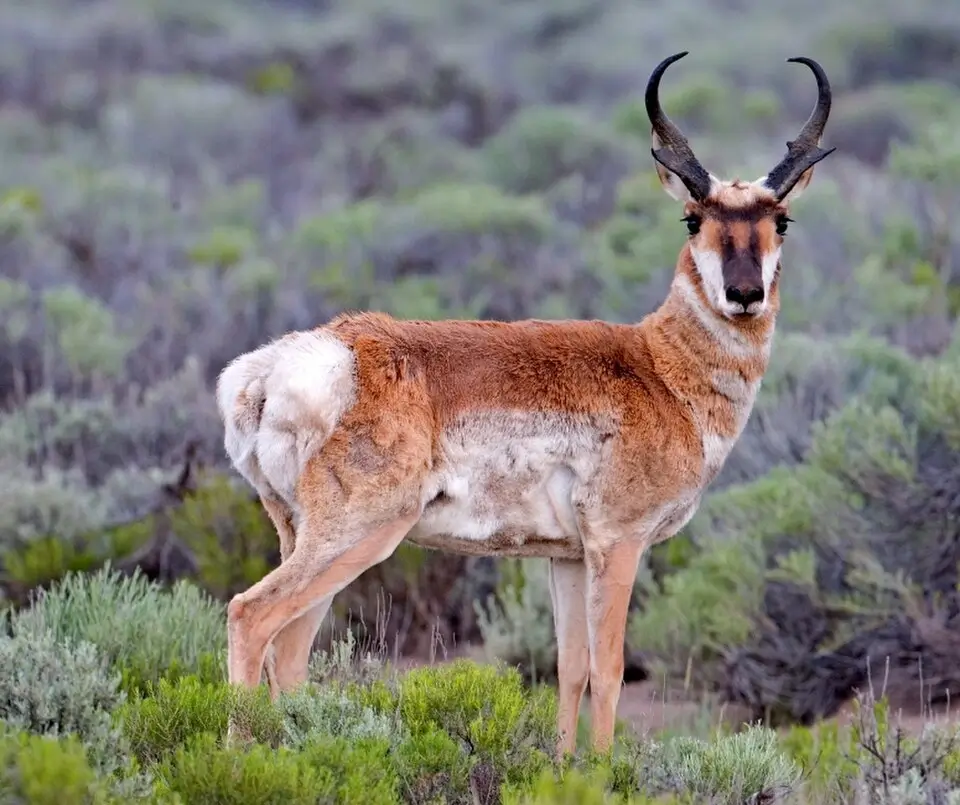
The Pronghorn is a medium-sized ungulate, instantly recognizable by its striking coloration and graceful form. Its coat features a mix of brown, white, and reddish hues, with distinctive white patches on the rump, sides, and a white stripe across the throat. Males possess a dark "mask" across the face and a dark patch of specialized hair on the neck, known as a "gorget," which can be erected during displays of dominance.
The most celebrated feature of the Pronghorn is its unmatched speed. It is the fastest land mammal in the Western Hemisphere and the second-fastest in the world after the cheetah. While the cheetah achieves higher sprint speeds (up to 70 mph in short bursts), the Pronghorn can sustain high speeds over extraordinary distances. It can run at speeds exceeding 55 mph and can comfortably cruise at 30-40 mph for miles. This endurance is a unique adaptation. Scientists believe it evolved not just to escape modern predators like coyotes, but also to evade the now-extinct North American cheetah (Miracinonyx) and other swift predators of the Pleistocene era.
Physiologically, the Pronghorn is equipped for this high-oxygen-demand lifestyle. It has an oversized heart and lungs relative to its body size, allowing for tremendous oxygen intake and circulation. Its windpipe and trachea are also unusually large, facilitating rapid airflow. Even its hooves are adapted for speed, with hard, pointed edges providing traction on firm ground.
Another unique biological trait is its horns. Both males and females grow horns, but they are structurally different from the antlers of deer or the true horns of bovids like cattle and sheep. Pronghorn horns consist of a permanent bony core (an outgrowth of the skull) covered by a keratinous sheath. This sheath is shed and regrown annually, making the Pronghorn the only animal in the world with branched, deciduous horns. In males, the horns grow to a length of 10-20 inches, curving backward and then forward, with a distinctive prong projecting forward. Female horns are much smaller, sometimes mere bumps, but can still be visible.
Habitat & Range: Masters of the Open Country
The Pronghorn is quintessentially an animal of open spaces. Its preferred habitat is the wide-open sagebrush steppe, grasslands, and semi-arid basins of North America. These landscapes provide the long sightlines essential for detecting predators and the room to employ its speed as its primary defense. They are also well-adapted to harsh climates, enduring scorching summers and frigid winters with thick winter coats that molt in the spring.
Historically, Pronghorn ranged across the plains, basins, and deserts from southern Canada to northern Mexico. Today, their range has contracted, but they still occupy a significant portion of the American West. Their distribution is closely tied to the availability of their primary food sources: forbs, sagebrush, and other woody plants. They are ruminants, possessing a four-chambered stomach that allows them to digest tough, fibrous vegetation efficiently.
A fascinating aspect of Pronghorn ecology is their migratory behavior. Some populations undertake long-distance seasonal migrations, moving between summer ranges in the mountains and winter ranges in the valleys. These ancient migration corridors are often obstructed by human development like highways, fences, and energy infrastructure, making the preservation of these pathways a critical conservation concern.
Hunting Information
No official source data on seasons, dates, fees, or regulations is available. The following is general, background information.
Hunting Pronghorn is a highly regulated activity that plays a significant role in modern wildlife management. Due to their keen eyesight and wariness, pursuing Pronghorn is often considered one of the most challenging North American hunts. Spot-and-stalk is the predominant method, requiring hunters to use terrain and vegetation for concealment while closing vast distances.
Pronghorn hunts are typically allocated through a lottery-based permit system managed by state wildlife agencies (such as the Wyoming Game and Fish Department, Montana Fish, Wildlife & Parks, etc.). These agencies use harvest data, population surveys, and habitat conditions to determine the number of available tags for each hunting unit, ensuring sustainable harvest levels. Hunters must apply for these limited-quota tags, often through a draw system where preference points are accumulated over years for unsuccessful applicants.
Hunting seasons generally occur in the fall, aligning with the post-rut period when animals are more dispersed and bucks have shed the velvet from their horns. Regulations specify legal weapon types (rifle, muzzleloader, archery), season dates, and designated hunting areas. As with all game hunting, hunters are required to have the appropriate state hunting license and a specific Pronghorn permit.
Conservation: A Story of Recovery and Ongoing Challenge
The conservation history of the Pronghorn is a remarkable success story intertwined with ongoing challenges. In the early 20th century, unregulated hunting and habitat loss due to agriculture and settlement drove Pronghorn populations to dangerously low levels, estimated at fewer than 20,000 individuals. Through concerted conservation efforts led by sportsmen's groups, state agencies, and federal programs like the Pittman-Robertson Act, populations have rebounded dramatically. Today, herds across the West number roughly 700,000 animals.
The key to this recovery has been science-based management, habitat conservation, and regulated hunting, which provides essential funding for wildlife research and habitat projects. However, threats remain. Habitat fragmentation from roads, fences, and energy development disrupts migration routes and reduces available range. Pronghorn are particularly vulnerable to wire fences, which they cannot easily jump and must either crawl under or circumvent, expending vital energy.
Conservation initiatives now focus on securing migration corridors through voluntary agreements with landowners, modifying or removing restrictive fencing, and protecting critical sagebrush habitat. Organizations like the National Wildlife Federation, the Mule Deer Foundation, and state wildlife agencies work collaboratively on these projects. The Pronghorn's continued prosperity is a direct result of this dedicated, cooperative management, ensuring that future generations can witness these magnificent animals racing across the American landscape.
Frequently Asked Questions
Is a Pronghorn an antelope?
No, the Pronghorn is not a true antelope. It is the sole surviving member of the unique family Antilocapridae, making it a distinct North American species, while true antelopes belong to the family Bovidae and are primarily found in Africa and Asia.
Why is the Pronghorn so fast?
The Pronghorn evolved its incredible speed and endurance as a defense mechanism against swift, now-extinct predators from the Pleistocene era, such as the North American cheetah. Its large heart, lungs, and windpipe are specially adapted for sustained high-speed running.
Do female Pronghorn have horns?
Yes, both male and female Pronghorn grow horns. However, the horns of females are typically very small, sometimes just small bumps, whereas males grow larger, more prominent horns with a distinctive forward-pointing prong.
What is the main food source for Pronghorn?
Pronghorn are herbivores that primarily browse on forbs (flowering plants) and shrubs, with a particular preference for sagebrush in winter. Their specialized stomach allows them to digest tough, fibrous vegetation efficiently.
Are Pronghorn populations endangered?
No, thanks to successful conservation efforts over the past century, Pronghorn populations have recovered significantly from historic lows. They are not currently endangered, but ongoing conservation work is crucial to protect their habitat and migration corridors from modern threats.