Overview
The Northern Bobwhite: An Iconic Quail of the American Landscape
Introduction
Across the grasslands, brushy pastures, and open woodlands of eastern North America, a distinctive, whistled call rings out, especially during the warm months of spring and summer. This call, a clear "bob-WHITE!" that seems to rise and then fall in pitch, is the signature announcement of one of the continent's most beloved and recognizable game birds: the Northern bobwhite. Officially known by its scientific name, Colinus virginianus, this small, plump, and intricately patterned bird has captured the attention of naturalists, hunters, and landowners for centuries. Its presence is often seen as an indicator of a healthy, balanced ecosystem, and its life history is a fascinating study in adaptation and resilience. While its numbers have faced significant challenges in modern times, the Northern bobwhite remains a powerful symbol of rural America and a focal point for conservation efforts. This article delves into the biology, habitat, hunting traditions, and conservation status of this remarkable species, with a particular look at its relevance to states like Arizona, where it represents a unique ecological puzzle.
Biological Traits: Anatomy and Behavior
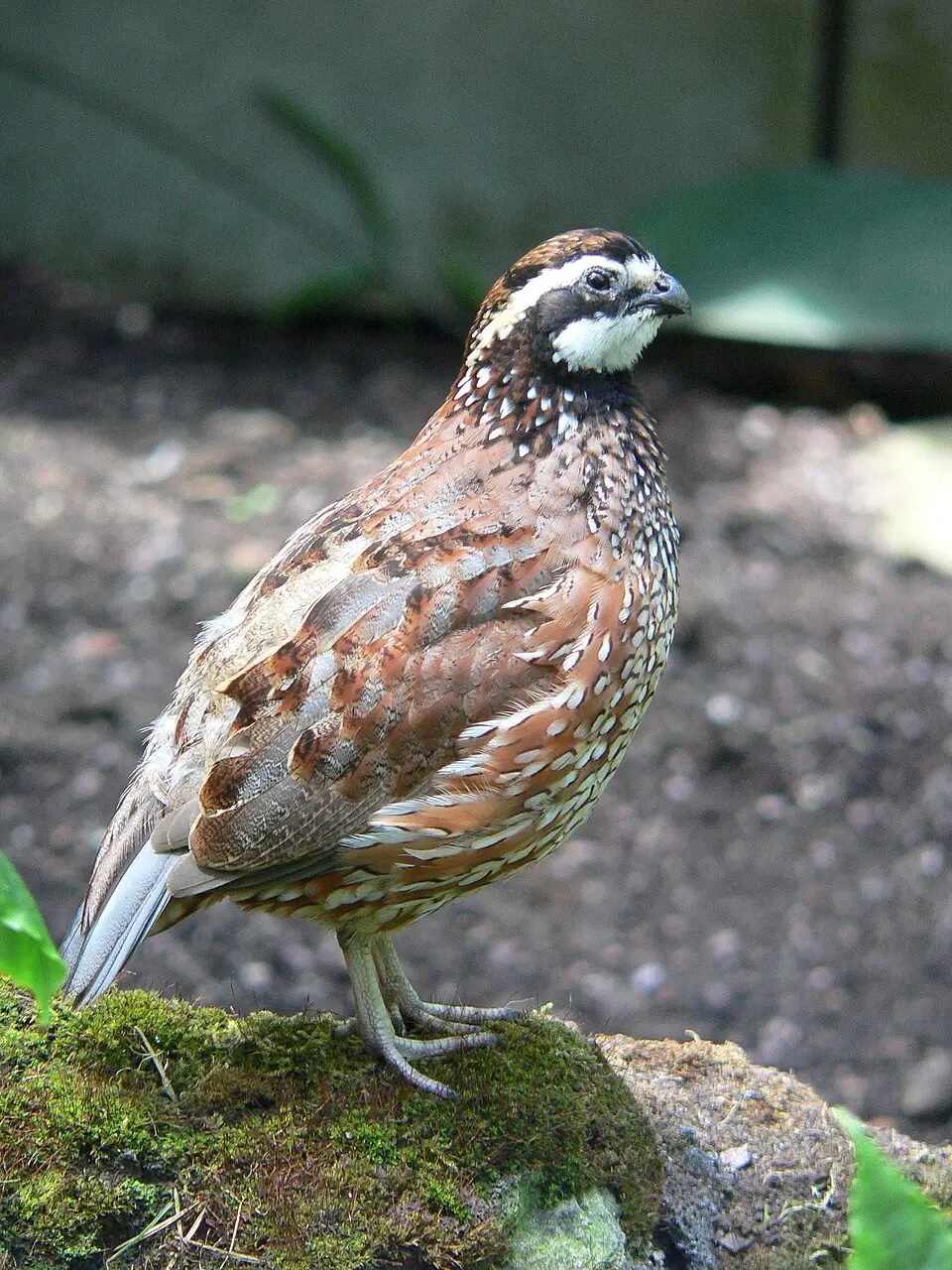
The Northern bobwhite is a member of the New World quail family, Odontophoridae, a group distinct from the Old World quail of Europe, Asia, and Africa. It is a compact, ground-dwelling bird, typically measuring between 8 to 11 inches in length and weighing around 5 to 8 ounces. Its plumage is a masterwork of camouflage, a complex tapestry of reddish-brown, white, black, and gray. The male is particularly striking, with a bold white throat and superciliary stripe (the line above the eye) set against a black face and bib. The female shares the intricate back and wing patterns but has a buffy or cinnamon throat and superciliary stripe. This sexual dimorphism is a common trait in birds and plays a role in their social and breeding behaviors.
One of the most defining behavioral traits of the Northern bobwhite is its highly social nature, especially outside of the breeding season. In the fall and winter, they form groups known as coveys. A covey can consist of a dozen or more birds, which are often the remnants of several family groups from the previous breeding season. At night, covey members roost on the ground, forming a tight circle with their tails pointing inward and their heads facing outward. This formation conserves heat during cold nights and provides 360-degree surveillance for predators. When a covey is flushed by a predator or a hunter, it explodes in a startling burst of rapid wingbeats, scattering in all directions. After the immediate danger has passed, the birds use their distinctive assembly call—a series of clear, two-note "bob-WHIT, bob-WHIT" whistles—to reunite.
Their diet is varied and seasonal. In the warmer months, they feast on a bounty of insects, including beetles, grasshoppers, and caterpillars, which provide essential protein for growing chicks and molting adults. As seasons change, their diet shifts heavily toward seeds and grains from plants like ragweed, partridge pea, and various grasses, as well as cultivated crops when available. This adaptable foraging strategy is key to their survival in dynamic environments.
Habitat & Range: A Bird of the Early Successional Landscape
The historic range of the Northern bobwhite extends throughout the eastern and south-central United States, from the Great Plains to the Atlantic coast, and as far north as southern Wisconsin, New York, and Massachusetts. Its range also dips into northeastern Mexico. However, this distribution is not uniform. The bobwhite is a quintessential species of early successional habitats—landscapes that are in a state of renewal and are characterized by a mix of bare ground, low-growing herbaceous plants, and woody shrubs.
This specific habitat structure is critical for every aspect of their life cycle. They require bare ground or sparse vegetation at the base of plants for easy movement and foraging. Densely tufted bunch grasses, such as little bluestem, provide essential nesting sites. The female scrapes a small bowl in the ground and lines it with grass, creating a well-hidden nest at the base of a tussock. She lays a clutch of 12 to 16 eggs, which she incubates for about 23 days. The male often assists in rearing the precocial chicks, which can walk and feed shortly after hatching. Brushy thickets, fencerows, and the edges of woodlands offer crucial cover from aerial predators like hawks and owls, as well as terrestrial threats like foxes, raccoons, and coyotes.
In the context of Arizona, the presence of the Northern bobwhite is a nuanced topic. Arizona is not within the core historical range of the species, which is primarily associated with more humid, grassland-dominated ecosystems of the East and Midwest. However, the state is part of the broader North American continent and shares some ecological similarities with regions where related quail species thrive. Arizona is renowned for its Gambel's quail, a species perfectly adapted to the arid desert scrub of the Southwest. The Mountain quail, Scaled quail, and Montezuma quail also inhabit various niches within the state. While the Northern bobwhite is not native to Arizona, localized populations may exist or have existed due to historical or contemporary introductions for hunting purposes. Understanding the specific habitat requirements of the Northern bobwhite underscores why it does not naturally occur in Arizona's primary ecosystems—its need for a more mesic (moderately moist) environment with specific vegetation structures is not typically met by the state's dominant desert and arid woodland biomes.
Hunting Information: A Legacy of Stewardship and Sport
The Northern bobwhite has a long and storied history as a premier upland game bird. The tradition of hunting bobwhites with pointing dogs, such as English setters and pointers, is a deeply ingrained part of sporting culture in many southern and eastern states. The hunting season typically occurs in the fall and winter, after the breeding season has concluded and young birds have had time to mature. This practice, when conducted responsibly, is considered sustainable and can even be a positive force for conservation.
It is crucial for anyone interested in hunting to recognize that regulations are set at the state level and can vary dramatically. The provided source data indicates that no specific official hunting information for Northern bobwhite in Arizona is available. This absence of information is itself a significant data point. It strongly suggests that there is no established, regulated hunting season for Northern bobwhite in the state. This is consistent with the species' lack of a native, huntable population within Arizona's borders.
For hunters traveling to states within the bobwhite's native range, a comprehensive set of regulations typically applies. These include specific season dates, daily bag limits (the number of birds one hunter can take in a day), and possession limits. A valid state hunting license and, often, an upland game bird stamp are required. The ethical pursuit of bobwhite quail emphasizes fair chase, the use of non-toxic shot in many areas, and the importance of respecting private land and property. The role of the hunting community has been, and continues to be, vital in funding conservation through the purchase of licenses and stamps, which in turn support wildlife management and habitat restoration programs.
Conservation: A Collaborative Effort for Recovery
While the Northern bobwhite was once one of the most abundant birds in its range, its populations have experienced a severe and prolonged decline. Estimates suggest that the overall population has decreased by approximately 80% since the 1960s, with some regions seeing even steeper drops. This decline is attributed to a confluence of factors, chief among them being habitat loss and degradation.
The widespread loss of small family farms, the suppression of natural fire regimes, and the shift to industrialized agriculture have all contributed to the disappearance of the early successional habitats that bobwhites depend on. Modern landscapes often feature either dense, unmanaged forests or vast, sterile monocultures of crops, neither of which provides the necessary mosaic of cover and foraging areas. Increased predation pressure and severe weather events associated with climate change are additional stressors.
In response, a broad coalition of government agencies, non-profit organizations, and private landowners have mobilized. The National Bobwhite Conservation Initiative (NBCI) provides a centralized strategic framework for restoring sustainable wild bobwhite populations. Conservation efforts focus on habitat management on both public and private lands. Techniques include prescribed burning to rejuvenate grasslands, timber thinning to open up dense forests, the planting of native warm-season grasses, and the establishment of field borders and hedgerows. Programs like the USDA's Conservation Reserve Program (CRP) provide financial incentives for farmers to convert environmentally sensitive land back to habitat.
For a state like Arizona, while the Northern bobwhite is not a conservation target, the principles of bobwhite conservation—managing for landscape heterogeneity and early successional habitat—are directly applicable to the management of its native quail species, such as Gambel's quail and Scaled quail. Healthy quail populations in Arizona depend on similar conservation philosophies that prioritize diverse, well-structured habitats.
The future of the Northern bobwhite is not guaranteed, but it is one of active hope. Through continued collaboration, science-based management, and a commitment to restoring functional ecosystems, there is a path forward for this iconic bird. Its recovery would not only secure its own legacy but also signify a healthier, more diverse landscape for countless other wildlife species.
Frequently Asked Questions
What does a Northern bobwhite look like?
The Northern bobwhite is a small, round-bodied bird with intricate patterns of brown, white, black, and gray for camouflage. Males have a bold white throat and eyebrow stripe, while females have a buffy or cinnamon-colored throat.
What is a covey of bobwhites?
A covey is a social group of Northern bobwhites, typically containing a dozen or more birds. They form these groups in the fall and winter for warmth and protection, roosting in a tight circle on the ground.
Why are Northern bobwhite populations declining?
The primary reason for their decline is the widespread loss and degradation of their essential early successional habitat—grassy, brushy areas—due to changes in agriculture, fire suppression, and land development.
Can you hunt Northern bobwhite in Arizona?
Based on available information, there is no established, regulated hunting season for Northern bobwhite in Arizona. The species is not native to the state, which is instead home to other quail species like Gambel's quail. Hunters must always consult the latest official regulations from the Arizona Game and Fish Department before pursuing any game.
How can I help Northern bobwhite conservation?
Even in states like Arizona, supporting quail conservation is possible. You can contribute by advocating for habitat management on public lands, supporting conservation organizations that work on grassland and shrubland restoration, and, if you own land, implementing practices like creating brush piles or planting native vegetation that benefits all wildlife.