The North American Beaver: Nature's Ingenious Engineer
Introduction
In the diverse tapestry of North American wildlife, few creatures have shaped their environment as profoundly as the North American beaver (Castor canadensis). As the continent's largest rodent and the second-largest in the world, the beaver is an iconic symbol of wilderness and natural engineering. Its presence has significantly influenced the ecological and even the historical trajectory of North America, from the fur trade that fueled early European exploration to the creation of vital wetland habitats. This article delves into the fascinating world of this semi-aquatic mammal, exploring its unique biological traits, its preferred habitats, its complex relationship with humans including the context of hunting, and the conservation story that surrounds its populations.
Biological Traits
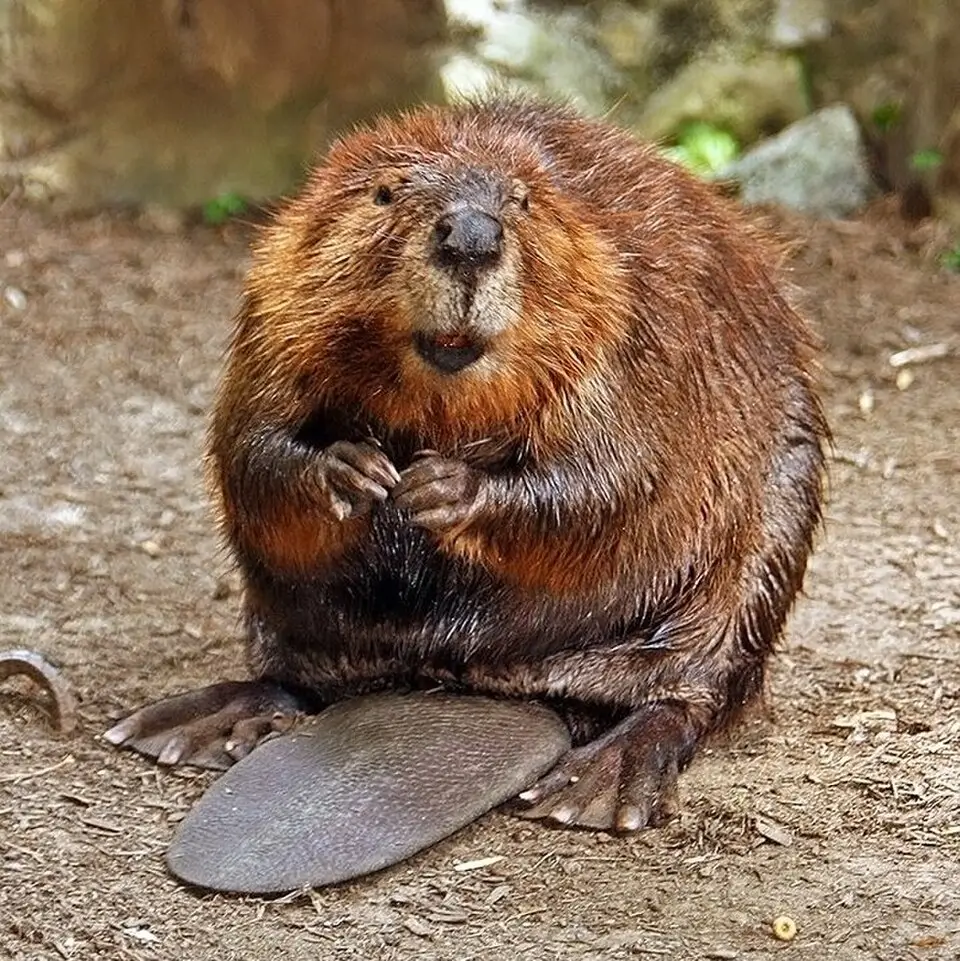
The North American beaver is a master of adaptation to a semi-aquatic life. Adults typically weigh between 35 to 65 pounds (16 to 30 kilograms), though exceptional individuals can exceed 70 pounds. Their bodies are robust and streamlined, covered in a thick, luxurious coat that serves as superb insulation. This coat consists of a dense, soft underfur protected by long, coarse guard hairs. The natural oils in the fur make it water-repellent, a crucial feature for an animal that spends a significant amount of time in water.
Perhaps the most recognizable features of the beaver are its large, orange, continuously growing incisors. These powerful front teeth are adapted for gnawing through tree bark, roots, and even the trunks of sizable trees. The orange color comes from a thick layer of iron in the enamel, which increases their strength and resistance to wear. Their dental structure allows beavers to fell trees to construct dams and lodges, fundamentally altering their habitat.
Another key adaptation is the beaver's large, flat, scaly tail. This tail serves multiple functions: it acts as a rudder when swimming, a prop when standing upright, and a tool for slapping the water surface to warn other beavers of potential danger. Beavers also possess webbed hind feet, which make them powerful and agile swimmers, capable of remaining submerged for up to 15 minutes. Their eyes, ears, and nose are positioned high on their head, allowing them to remain mostly submerged while still observing their surroundings.
Their physiology is uniquely suited to their environment. Beavers can see well underwater due to a specialized clear membrane that protects their eyes, and their nostrils and ears can close while diving. Their large lungs and liver allow them to store oxygen efficiently, facilitating long dives.
Habitat & Range
The historical range of the North American beaver spans nearly the entirety of North America, from the tree-lined rivers of the arctic tundra in northern Canada and Alaska down to the desert riparian areas of northern Mexico. Their distribution is primarily dictated by the presence of woody vegetation for food and construction, and access to permanent, slow-moving water bodies such as streams, rivers, ponds, and lakes.
Beavers are quintessential ecosystem engineers. Their most famous behavior is the construction of dams. Using tree branches, mud, and rocks, beavers dam streams to create deeper, slower-moving ponds. These ponds provide them with a safe, deep-water habitat where they can build their lodges, access their food cache, and evade predators like wolves, coyotes, and bears. The lodge itself is a mound of interwoven branches and mud with underwater entrances, providing a dry, insulated, and predator-proof living space.
The impact of these dams extends far beyond the beavers themselves. The ponds they create become biodiversity hotspots. They create wetlands that support a vast array of plant and animal life, from aquatic insects and amphibians to waterfowl and fish. These wetlands also improve water quality by filtering sediments, reduce downstream erosion, mitigate droughts by storing water, and even sequester carbon. In this way, beavers create and maintain habitats that benefit countless other species.
Within a state like Arizona, which is characterized by its arid and semi-arid landscapes, beaver habitat is typically restricted to riparian corridors—the lush, vegetated areas along perennial rivers and streams. These riparian zones, such as those found along the Colorado River, the Salt and Gila River systems, or spring-fed creeks in mountainous areas, provide the necessary resources of water, food (like willow, cottonwood, and aspen), and building materials. However, these habitats can be fragile and are often impacted by water diversion, drought, and human development, which can limit beaver populations and their ability to establish new colonies.
Hunting Information
The hunting of North American beaver has a long and complex history. During the 17th, 18th, and early 19th centuries, the demand for beaver pelts, primarily for the European felt hat industry, drove the intense exploitation of beaver populations across the continent. This "fur trade" era played a significant role in the exploration and economic development of North America but led to a dramatic decline in beaver numbers, with populations being extirpated from many areas.
In modern times, regulated trapping and hunting of beaver are common management tools used by wildlife agencies across North America. These practices help manage beaver populations where they may cause conflicts, such as flooding roads, agricultural land, or timber stands through their dam-building activities. Trapping seasons and methods are carefully regulated to ensure sustainable populations and humane practices.
Regarding the specific context of Arizona, the provided source data does not contain official hunting information or season dates for the North American beaver. It is important to note that hunting and trapping regulations are state-specific and subject to change. In states where beaver populations are managed through harvest, regulations would specify legal seasons, methods of take, licensing requirements, and reporting procedures.
In Arizona, beavers are generally not a major furbearer species due to the limited availability of their preferred riparian habitat. Their presence is often viewed more through a conservation lens, as the wetlands they can help create are especially valuable in the arid Southwest. Any potential management activities would be governed by the Arizona Game and Fish Department, and individuals interested in this topic should consult the department's official resources for the most current and accurate information, as regulations can vary by unit and year based on population surveys and management goals.
Conservation
The conservation story of the North American beaver is largely one of successful recovery. After being trapped to near extinction in many parts of its range, protective measures, reduced demand for pelts, and reintroduction programs have allowed beaver populations to rebound significantly throughout the 20th and 21st centuries. Today, they are classified as a species of "Least Concern" by the International Union for Conservation of Nature (IUCN) due to their widespread and abundant population.
However, their conservation is not without challenges. Habitat loss, water pollution, and human-wildlife conflict remain ongoing issues. In areas where their dam-building activities are deemed detrimental to human infrastructure, lethal control is sometimes employed. This has led to a growing interest in non-lethal "beaver conflict management" techniques, such as pond levelers (devices that manage water height without destroying the dam) and protective tree wrapping, which allow beavers to remain on the landscape while mitigating damage.
Furthermore, there is increasing recognition of the ecological benefits beavers provide, particularly in restoring degraded watersheds and creating drought-resilient landscapes. In many western states, including those with arid climates similar to parts of Arizona, "beaver-assisted restoration" projects are being implemented. These initiatives involve reintroducing beavers to suitable areas or mimicking their dam-building techniques to restore wetlands, improve water tables, and enhance habitat for other species. The beaver's role as a keystone species makes its conservation integral to the health of entire ecosystems.
Frequently Asked Questions
What is the scientific name of the North American beaver?
The scientific name for the North American beaver is *Castor canadensis*.
How does a beaver's tail help it survive?
A beaver's large, flat tail serves several important functions: it acts as a rudder for steering while swimming, a prop for balance when standing upright, and a fat storage reserve. It is also used to slap the water surface loudly as a warning signal to other beavers about potential danger.
Why are beavers considered ecosystem engineers?
Beavers are considered ecosystem engineers because they dramatically alter their environment by building dams. These dams create ponds and wetlands that provide habitat for a wide variety of plants and animals, improve water quality, reduce erosion, and help mitigate the effects of drought by storing water on the landscape.
Is there a hunting season for North American beaver in Arizona?
According to the provided source data, official hunting information for beavers in Arizona is not available. Regulations vary by state and are subject to change. For accurate and current information on hunting or trapping any species in Arizona, it is essential to consult the Arizona Game and Fish Department directly.
What is the current conservation status of the North American beaver?
The North American beaver is currently listed as a species of 'Least Concern' by the International Union for Conservation of Nature (IUCN). This is due to successful conservation efforts and reintroduction programs that have allowed populations to recover significantly after being heavily trapped during the historical fur trade era.