The Muskrat: A Semi-Aquatic Engineer of North American Wetlands
The muskrat (Ondatra zibethicus) is one of North America's most common and ecologically significant semi-aquatic mammals. Often mistaken for its larger cousin, the beaver, the muskrat has carved out a vital niche in the continent's freshwater ecosystems. Its name derives from the musky odor produced by scent glands used for territorial marking, a characteristic trait of the species. While not as celebrated as some wildlife, the muskrat's adaptability, unique behaviors, and historical importance to both indigenous peoples and modern trappers make it a fascinating subject of study. This article explores the biology, habitat, and human interactions with this industrious rodent.
Biological Traits
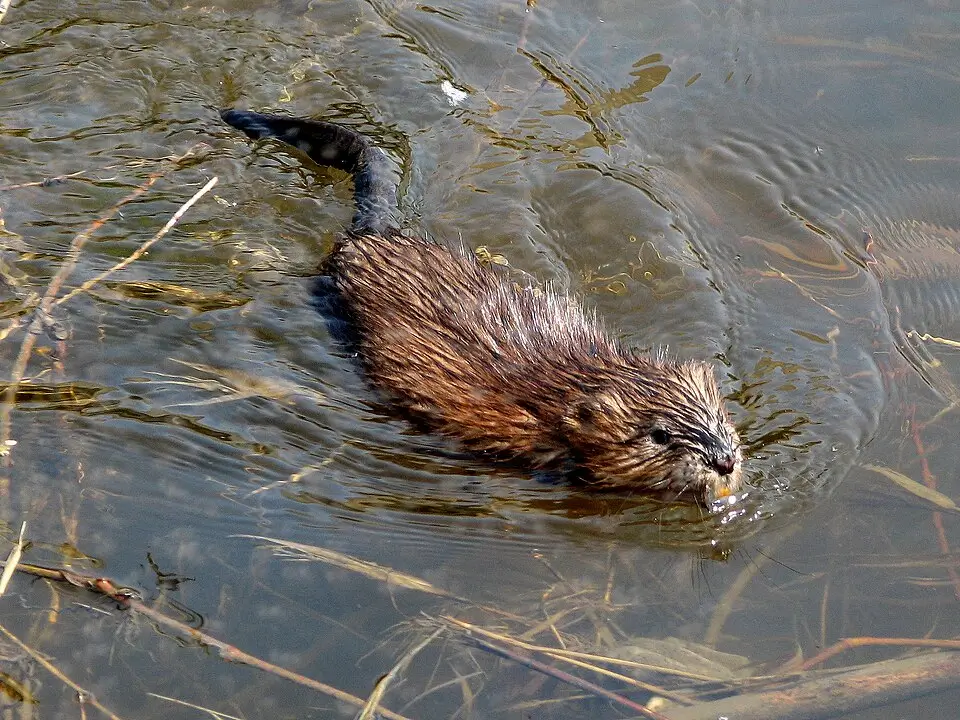
The muskrat is a robust, medium-sized rodent, perfectly adapted to a life spent foraging and building in the water. Adults typically weigh between 1.5 to 4 pounds (0.7 to 1.8 kg) and measure 16 to 25 inches (40 to 64 cm) in length, with a laterally compressed tail that adds another 7 to 11 inches (18 to 28 cm). This vertically flattened tail is a key distinguishing feature from the round, paddle-like tail of the beaver. It serves as a powerful rudder for propulsion and stability while swimming.
Their fur is dense, with a soft undercoat overlaid by long, glossy guard hairs. This double-layered coat provides excellent insulation against cold water. Fur color varies geographically but is generally dark brown on the back, fading to a lighter brown or gray on the underside. A remarkable adaptation is their ability to seal their lips behind their large, ever-growing incisors, allowing them to gnaw on underwater vegetation while keeping their mouths closed—a crucial trait for an animal that feeds extensively below the surface.
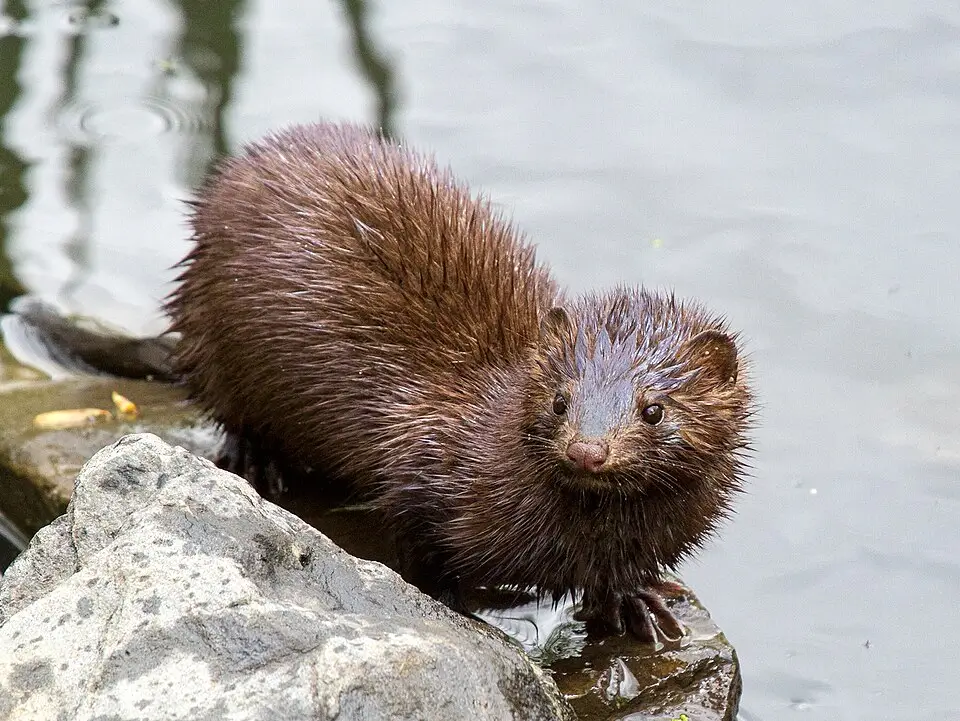
Muskrats are exceptional swimmers, capable of remaining submerged for up to 15 minutes. Their hind feet are partially webbed, aiding in propulsion, while their small front feet are used for digging and manipulating food and building materials. Their high reproductive rate is another key biological trait. A female can produce two to three litters per year, with each litter containing five to six young, though litter sizes can vary. This prolific breeding helps maintain robust populations despite predation from animals like mink, otters, foxes, owls, and eagles.
Habitat & Range
The muskrat is uniquely tied to wetland habitats. Its range spans nearly all of North America, from the northern boreal forests of Canada and Alaska down through the United States and into the northern reaches of Mexico. They are absent from the coastal regions of the southeastern United States and certain arid areas of the Southwest. Crucially, their presence is dictated by the availability of permanent or semi-permanent bodies of water such as marshes, swamps, ponds, lakes, and the slow-moving banks of rivers and streams.
Muskrats are renowned as ecosystem engineers due to their house-building behavior. In marshy areas, they construct distinctive dome-shaped lodges, called "push-ups" or "cottages," from cattails, reeds, and mud. These structures provide shelter from predators and harsh weather and are often entered via underwater tunnels. In banks of larger water bodies, they may dig extensive burrow systems with entrances below the waterline, leading to dry nesting chambers above. These activities create microhabitats used by other wildlife, and their feeding habits can influence plant community structure and open up areas of open water for waterfowl.
In the context of Arizona, a state characterized by arid deserts and mountainous terrain, permanent muskrat populations are not widespread. They are typically associated with the riparian corridors—the lush, green areas along perennial rivers and streams—that provide the necessary habitat. Historical and occasional observations may occur along major waterways like the Colorado River and its associated reservoirs and marshes, as well as in suitable wetland areas in the state's northern and eastern regions. However, they are not a common or widespread resident in Arizona's primarily dry landscape.
Hunting Information
The muskrat has a long history of being one of the most valuable furbearers in North America. Its dense, durable fur has been used in the fur trade for centuries, and it remains important in some regions today. Hunting and trapping methods for muskrats are time-honored and vary by region, tradition, and local regulations. Common techniques include the use of body-grip traps, foothold traps, and snaring sets placed on trails or near den entrances. In some areas, regulated hunting with firearms is also permitted during open seasons.
It is important to note that specific season dates, licensing requirements, and legal methods for harvesting muskrats are established at the state or provincial level and can change annually. The provided source data does not contain official hunting information for Arizona. Therefore, anyone interested in hunting or trapping muskrats in Arizona, or any other state, must consult the most current regulations published by the state's wildlife management agency. In Arizona, this would be the Arizona Game and Fish Department. These official regulations are the definitive source for legal seasons, bag limits, required licenses, permits, and approved methods for take. General knowledge about trapping techniques does not constitute legal advice for any specific location.
Conservation
The conservation status of the muskrat is generally secure. It is listed as a species of "Least Concern" by the International Union for Conservation of Nature (IUCN) due to its vast range and large, stable population across most of North America. However, like all wildlife, muskrats face localized threats. Wetland drainage and degradation for agriculture and urban development represent the most significant long-term threat, as it directly destroys their essential habitat.
Furthermore, muskrats can be impacted by pollution and water quality issues in their aquatic environments. They are also vulnerable to outbreaks of tularemia, a bacterial disease that can periodically reduce local populations. In some areas, they are considered a nuisance species when their burrowing activities damage levees, dikes, and irrigation systems, leading to localized control efforts.
Their role as a keystone species in marsh ecosystems underscores the importance of their conservation. The lodges and feeding platforms they create benefit a wide array of other species, from insects and fish to nesting birds. Healthy muskrat populations are often an indicator of a healthy wetland. Sustainable, regulated harvesting, when conducted responsibly according to science-based regulations, is considered a renewable resource management practice that helps maintain populations at levels compatible with their habitat while providing economic and recreational benefits.
Frequently Asked Questions
What is the scientific name for a muskrat?
The scientific name for the muskrat is Ondatra zibethicus.
Can you hunt muskrats in Arizona?
Muskrats are not a common or widespread resident in Arizona due to its arid climate. While occasional populations may exist in riparian areas, official hunting or trapping information for the species is not available from the state source. Anyone interested must consult the Arizona Game and Fish Department for current regulations on all furbearers.
How can you tell a muskrat from a beaver?
The key distinguishing feature is the tail. A muskrat has a laterally compressed (flat-sided) tail, while a beaver has a large, flat, paddle-shaped tail. Muskrats are also significantly smaller than beavers.
Why are muskrats important to wetlands?
Muskrats are considered ecosystem engineers. Their lodge-building and feeding activities create open water areas and microhabitats that benefit many other species of plants, invertebrates, fish, and waterfowl, contributing to the overall biodiversity and health of marsh ecosystems.
What does a muskrat eat?
Muskrats are primarily herbivores. Their diet consists mainly of the stems, roots, and leaves of aquatic vegetation such as cattails, bulrushes, and water lilies. They occasionally supplement their diet with small animals like mussels, frogs, or fish.