The gray fox (Urocyon cinereoargenteus) is a fascinating and often misunderstood member of North America's carnivore community. While not as universally recognized as its red cousin, the gray fox possesses a unique set of adaptations and behaviors that make it a remarkable survivor and an integral part of healthy ecosystems across its range, including the diverse landscapes of Arizona. This article delves into the biology, habitat, and ecological role of the gray fox, providing a comprehensive overview for outdoor enthusiasts and wildlife observers.
Introduction
Encountering a gray fox in the wild is a moment of quiet privilege. Unlike some more conspicuous mammals, the gray fox leads a largely crepuscular and nocturnal lifestyle, moving silently through dense brush and rocky terrain. Its appearance is a subtle blend of colors, perfectly suited for camouflage in dappled forest light or desert scrub. For centuries, this species has coexisted with human development, demonstrating remarkable adaptability. Understanding the gray fox is key to appreciating the complex tapestry of wildlife in states like Arizona, where varied elevations and habitats support a wide array of life. Its presence indicates a functioning ecosystem, as it plays a vital role as both predator and prey, contributing to the natural balance.
Biological Traits
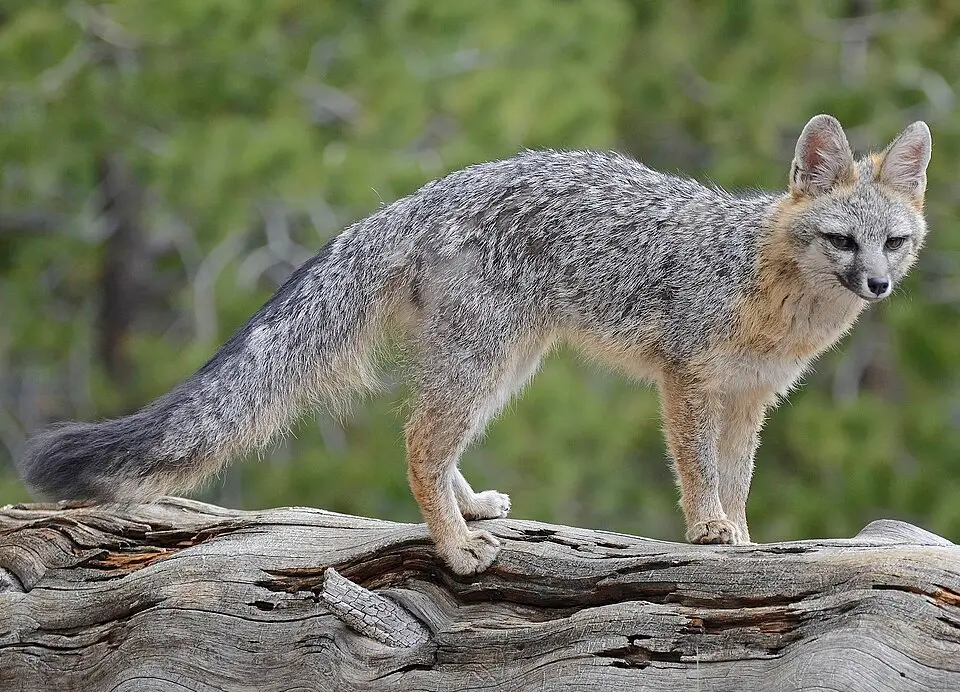
The gray fox is a moderately sized canid, typically weighing between 7 to 13 pounds, with a body length of 30 to 44 inches, including its distinctive, bushy tail. Its most striking feature is its pelage, which is not truly gray but a beautiful grizzled mix of salt-and-pepper gray on its back, transitioning to a reddish-brown on its neck, sides, and legs. The underside is usually white, and a characteristic black stripe runs along the top of its tail, ending in a black tip.
Two evolutionary traits truly set the gray fox apart from other North American canids. First is its semi-retractable claws. While not as fully retractable as a cat's, these claws are shorter and more curved than those of other foxes, providing enhanced grip. This leads to its second, and most famous, adaptation: it is an exceptional climber. The gray fox is the only member of the dog family in North America that can routinely climb trees. It ascends trunks by gripping with its front paws and using its powerful hind legs to push upward, scrambling along branches to escape predators, access dens, or find food like fruits and nesting birds. Its skeleton is uniquely flexible, allowing for this arboreal agility.
In terms of general biology, the gray fox is an omnivorous opportunist. Its diet is highly variable depending on the season and location, consisting of small mammals like rabbits, mice, and voles, supplemented with birds, insects, reptiles, and amphibians. Plant matter is also crucial, including fruits, nuts, berries, and acorns. This dietary flexibility allows it to thrive in a wide range of environments. They are generally solitary hunters, though mated pairs may raise young together. Breeding occurs in late winter, and after a gestation period of about 53 days, a litter of 2 to 5 kits is born in a den, which could be a hollow log, a rocky crevice, or an enlarged burrow of another animal.
Habitat & Range
The gray fox demonstrates remarkable adaptability in its habitat requirements. Its historical range spans from southern Canada throughout most of the United States, Mexico, and Central America into parts of northern South America. It thrives in a variety of ecosystems, but it shows a strong preference for areas with ample cover. Broken, brushy terrain with wooded or rocky elements is ideal, as it provides shelter, den sites, and hunting grounds.
In a state as geographically diverse as Arizona, the gray fox finds numerous suitable habitats. From the Sonoran Desert's scrublands and canyon bottoms to the chaparral-covered foothills, and up into the pinyon-juniper woodlands and coniferous forests of the mountain ranges, the gray fox can be present. It particularly favors areas with a mix of open space for foraging and dense thickets or rocky outcrops for security and denning. Riparian corridors—the lush vegetated zones along streams and rivers—are especially important habitats, offering water, concentrated prey, and dense cover.
The species is well-established across Arizona, occupying its ecological niche from the low deserts to the high country. While population densities vary based on habitat quality and resource availability, the gray fox is considered a common and widespread resident of the state's wilderness, exurban areas, and even some semi-urban edges where natural cover persists.
Hunting Information
As a professional content writer adhering to factual reporting based on the provided source, it is important to note that specific hunting regulations, season dates, and license requirements for the gray fox in Arizona were not available in the crawled data. The official hunting information for the state of Arizona regarding this species is listed as "Not available" from the source provided.
Therefore, this article cannot provide details on hunting seasons, bag limits, or specific licensing mandates for Arizona. Individuals interested in the management or hunting of gray fox in Arizona are strongly advised to consult the most current and official resources from the Arizona Game and Fish Department. This authoritative state agency provides up-to-date regulations, hunter education information, and details on species management plans. Engaging with them ensures that any activities are conducted legally, ethically, and in alignment with conservation goals.
From a general ecological perspective, regulated hunting can be a component of wildlife management, aiming to maintain healthy population levels, mitigate human-wildlife conflicts, and preserve habitat quality. The gray fox's adaptability and broad diet often allow for sustainable harvest where management programs are in place.
Conservation
The conservation status of the gray fox is a positive story of resilience. According to broad assessments and its listing on the International Union for Conservation of Nature (IUCN) Red List, the gray fox is classified as Least Concern. This designation indicates a large, stable population with no immediate threat of significant decline across its extensive range.
The species benefits from its secretive nature, generalist diet, and ability to utilize marginal or disturbed habitats that might be unsuitable for other, more specialized predators. However, it still faces challenges common to many mid-sized carnivores. These include habitat loss and fragmentation due to urbanization and agriculture, mortality from vehicle collisions, and, in some localized areas, conflicts with human activities.
Conservation efforts for the gray fox are generally embedded within broader ecosystem management practices. Protecting large tracts of contiguous habitat, preserving wildlife corridors, and maintaining the health of riparian zones are beneficial. Public education about coexisting with wildlife, such as securing trash and not feeding wild animals, also helps reduce potential conflicts.
In Arizona, where development pressures can intersect with wild landscapes, the continued presence of the gray fox serves as a testament to the state's diverse natural heritage. Its success underscores the importance of the responsible land stewardship and conservation policies that protect the habitats upon which it, and countless other species, depend.
Frequently Asked Questions
Can gray foxes really climb trees?
Yes, the gray fox is the only canid in North America with semi-retractable claws and the agility to routinely climb trees. They do this to escape predators, find shelter, or access food like fruit and bird eggs.
What do gray foxes eat?
Gray foxes are omnivorous opportunists. Their diet includes small mammals like rabbits and mice, birds, insects, and reptiles, supplemented with fruits, nuts, and berries, varying seasonally.
Where do gray foxes live in Arizona?
Gray foxes are found across Arizona in diverse habitats, including desert scrub, chaparral, pinyon-juniper woodlands, and coniferous forests. They prefer areas with dense cover like brush, rocks, or woods for security and denning.
Is it legal to hunt gray fox in Arizona?
Specific hunting regulations for the gray fox in Arizona were not available in the source data. For the most current and official information on seasons, licenses, and legal requirements, you must consult the Arizona Game and Fish Department.
Are gray foxes endangered?
No. The gray fox is classified as 'Least Concern' by the IUCN, indicating a stable and widespread population across its range, including in Arizona.