The Fox Squirrel: North America's Largest Tree Squirrel
Introduction
The fox squirrel (Sciurus niger) holds the distinction of being the largest species of tree squirrel native to North America. A common and charismatic sight in parks, woodlands, and backyards across much of the eastern and central United States, this robust rodent is admired for its striking appearance and entertaining antics. Its name derives from the characteristic red or orange coloration of its fur, which bears a resemblance to that of a red fox. While its presence is well-established in many ecosystems, understanding its biology, habitat needs, and interactions with humans, including hunting, provides a fuller picture of this adaptable and widespread mammal.
Biological Traits
The fox squirrel is a powerhouse among tree squirrels, with a body that is noticeably stockier and larger than its more common cousin, the eastern gray squirrel. Adults typically measure between 17 to 27 inches in total length, which includes a substantial, bushy tail that accounts for nearly half its overall size. Their weight can vary significantly based on region and season but generally ranges from 1 to 2.5 pounds, with some individuals occasionally exceeding this.
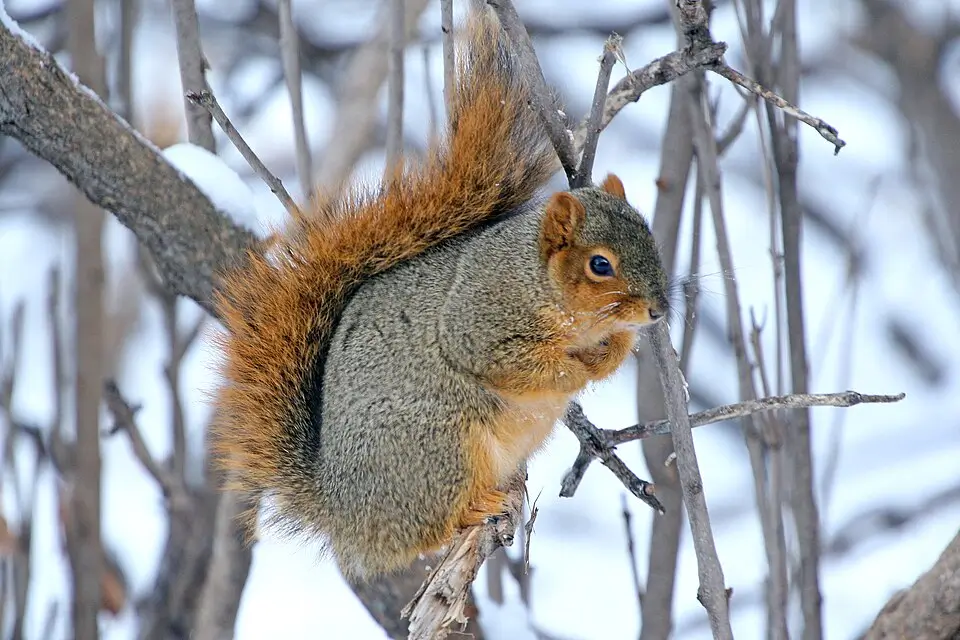
The most recognizable trait is its pelage, or fur. The "fox" in its name is most evident in the typical color morph: a grizzled, brownish-gray back with a distinctly orange-red or rust-colored belly and underside. However, considerable variation exists across its range. In the Southeastern United States, particularly in coastal areas, a melanistic (black) morph is quite common. These individuals have deep black fur with white-tipped hairs, creating a frosted appearance. Another less common morph, often found in the Midwest, is a silvery-gray phase. This diversity in coat color helps the species blend into a variety of forest environments.
Their physical adaptations are perfectly suited for an arboreal life. Fox squirrels have strong, curved claws that enable them to grip bark with incredible tenacity, allowing them to climb tree trunks headfirst—a feat many other rodents cannot perform. Their large, bushy tail is not just for show; it serves as a vital tool for balance when navigating precarious branches and as a "parachute" during falls. Additionally, the tail can be used for communication, as a signaling flag, and for thermoregulation, acting as a warm blanket during winter dormancy periods.
Sensory-wise, they possess excellent vision, which is essential for spotting potential predators from a distance and for judging the distances between branches during acrobatic leaps. Their sense of hearing is also acute, helping them detect the subtle sounds of other squirrels or threats in their environment.
Habitat & Range
The geographic range of the fox squirrel is extensive, covering the eastern half of the United States from the Great Plains eastward to the Atlantic seaboard, and from the northern parts of the Midwest down into Texas and Florida. They are primarily an animal of deciduous and mixed forests, showing a preference for open, park-like woodlands where the trees are well-spaced. This openness allows them to better spot predators like hawks and foxes.
Their habitat selection is closely tied to the availability of mature hardwood trees. They thrive in areas dominated by oaks, hickories, walnuts, and beeches, as the nuts and seeds from these trees form the cornerstone of their diet. They are also commonly found in cypress swamps in the South and in riparian corridors (areas along rivers and streams) throughout their range. Beyond natural forests, fox squirrels have proven to be highly adaptable, often making themselves at home in rural areas, suburban neighborhoods, and city parks where large, nut-bearing trees are present.
While not native to the desert Southwest, their story in Arizona is one of introduction. Fox squirrels have been established in certain areas of the state, such as the Tucson metropolitan area, where they were intentionally introduced. They have adapted to the urban and suburban landscapes there, utilizing ornamental trees and backyard bird feeders. It is important to note that in Arizona, the fox squirrel is considered a non-native, introduced species in specific locales, which has implications for its management and legal status.
Their nests, called dreys, are constructed from twigs and leaves and are usually located in the fork of a tree branch. They also readily use tree cavities for shelter, especially during harsh weather or to raise young, providing them a more secure refuge than their leaf nests. These dens are a critical resource, and competition for them with other cavity-nesting animals like woodpeckers, raccoons, and gray squirrels can be fierce.
Hunting Information
The hunting of fox squirrels is a long-standing tradition in many states, often grouped with small game seasons. It is viewed as a sustainable use of a renewable resource and a way to connect with the outdoors. However, as of the information available, there is no specific official hunting season or designated licensing framework for fox squirrels in Arizona from the state's wildlife agency. This is largely due to their status as a non-native, introduced population in limited areas.
In states where they are native and populations are managed as a game species, hunting is typically regulated through specific seasons, bag limits, and licensing requirements. Seasons often align with fall and winter months when the squirrels are active and after the primary breeding seasons have concluded. Hunters commonly use small-caliber rifles (.22 LR), shotguns with fine shot, or archery equipment. Hunting techniques vary from still-hunting (patiently waiting near feeding trees) to stalking through the woods.
For any individual interested in hunting, it is absolutely critical to consult the most current regulations from the official state wildlife management agency—whether that is the Arizona Game and Fish Department or the agency in any other state. Regulations are put in place to ensure wildlife populations remain healthy and sustainable, and they can change annually. Hunter safety courses are also strongly recommended or required for obtaining a license.
The pursuit of fox squirrels is often celebrated for the skill it requires, the intimate knowledge of the woods it fosters, and the high-quality, lean meat the animals provide, which is often considered a delicacy among wild game enthusiasts.
Conservation
The conservation status of the fox squirrel is stable. According to the International Union for Conservation of Nature (IUCN), it is listed as a species of "Least Concern" on a global scale, thanks to its wide distribution and large, overall population. It is not considered threatened or endangered.
However, localized population dynamics tell a more nuanced story. In some regions, particularly the northeastern parts of its range, fox squirrel populations have faced decline due to habitat loss. The fragmentation of large, mature forests into smaller woodlots surrounded by development can negatively impact their ability to find adequate food and shelter. Competition and disease transmission with the more common eastern gray squirrel, especially where their ranges overlap, can also be a factor.
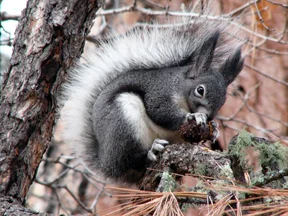
Management practices by state wildlife agencies aim to balance population health with hunting pressure and habitat conservation. In areas like Arizona where they are introduced, management may focus on monitoring their spread to prevent potential negative impacts on native species, such as the Abert's squirrel.
The species' remarkable adaptability has been key to its resilience. Fox squirrels are opportunistic feeders and learners, readily adjusting to human-altered landscapes. Their continued presence across North America is a testament to this adaptability, making them a enduring and joy-inspiring component of the continent's wildlife.
Frequently Asked Questions
What is the scientific name for the fox squirrel?
The scientific name for the fox squirrel is Sciurus niger.
How big does a fox squirrel get?
The fox squirrel is the largest tree squirrel in North America, with adults typically measuring 17 to 27 inches long (including tail) and weighing between 1 to 2.5 pounds.
Can you hunt fox squirrels in Arizona?
As of the latest information, there is no established hunting season for fox squirrels in Arizona. They are considered a non-native, introduced species in specific areas like Tucson. Always check directly with the Arizona Game and Fish Department for the most current and official regulations before engaging in any hunting activity.
What do fox squirrels eat?
Their diet primarily consists of nuts and seeds from trees like oaks, hickories, and walnuts. They also eat fruits, fungi, and occasionally insects or bird eggs, making them opportunistic feeders.
Why are they called fox squirrels?
They are named for their fur coloration, which is similar to that of a red fox. The typical color morph features a grizzled gray-brown back with a distinct reddish-orange or rust-colored belly.