The Majestic Elk: A North American Icon
The elk, known scientifically as Cervus canadensis, stands as one of the most majestic and awe-inspiring large mammals on the North American continent. As a symbol of wildness and natural grandeur, it has captured the human imagination for centuries, featuring prominently in the cultures and histories of Indigenous peoples and later settlers. This magnificent creature, also commonly referred to as the wapiti—a name derived from a Shawnee and Cree word meaning "white rump"—is a species that commands respect and fascination. Its impressive size, striking antlers, and powerful vocalizations make it a prized subject for wildlife enthusiasts, photographers, and hunters alike. Understanding the elk involves delving into its biology, its preferred environments, its historical and contemporary relationship with humans, and the ongoing efforts to ensure its survival for future generations.
Biological Traits
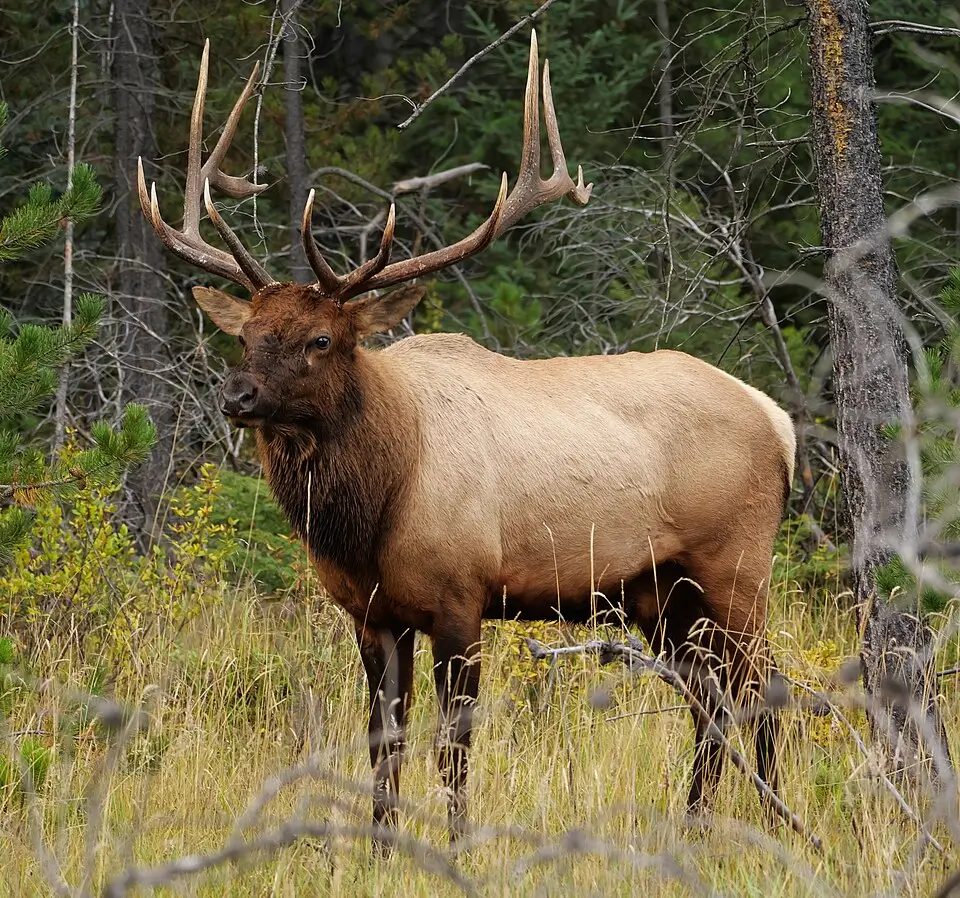
Elk are among the largest species within the deer family, Cervidae, which includes moose, deer, and caribou. Adult bull elk are renowned for their impressive stature, typically weighing between 700 and 1100 pounds and standing up to 5 feet tall at the shoulder. Cows are noticeably smaller, usually weighing between 500 and 600 pounds. Their build is robust and muscular, adapted for both endurance and agility in their native landscapes.
One of the most defining characteristics of the bull elk is its antlers. These are not permanent structures but are grown and shed annually. Made of bone, antlers begin growing in the spring under a protective, fuzzy layer of skin known as velvet, which supplies blood and nutrients for growth. By late summer, the antlers are fully formed, the velvet dries up and is rubbed off against trees and shrubs, revealing the hard, dead bone beneath. A mature bull's antlers can span four feet or more from tip to tip and feature multiple tines, or points, branching off a main beam. These antlers serve primarily as weapons and displays during the autumn mating season, known as the rut, and are shed in early winter after the breeding period concludes.
Elk have a distinctive coat that varies in color seasonally and regionally. In summer, their fur is a tawny, light brown, which helps reflect heat. As winter approaches, they molt into a thicker, darker grayish-brown coat that provides essential insulation against the cold. A pale, straw-colored patch surrounds their rump and extends onto the tail, a key identifying feature. Their necks are thick and often sport a shaggy mane, particularly pronounced in bulls.
Communication among elk is complex and vocal. The most famous sound is the bugle of a bull during the rut. This high-pitched whistle that descends into a series of grunts and guttural sounds serves to advertise his presence, assert dominance, and attract cows. Cows and calves communicate with a variety of grunts and bleats, especially to maintain contact within the herd. Their keen senses of smell and hearing are vital for detecting predators, which historically included wolves, bears, and mountain lions, and today may include human hunters and occasional predation by coyotes or bears on calves.
Habitat & Range
Historically, elk roamed across a vast swath of North America, from the Pacific Coast to the Atlantic seaboard, and from central Mexico to northern Canada. Today, their range has been significantly reduced, but they still occupy a wide variety of habitats across the western United States and Canada, with smaller, reintroduced populations in eastern states and provinces. They are remarkably adaptable animals, thriving in environments ranging from dense temperate rainforests to open alpine meadows and semi-arid deserts.
Elk are most commonly associated with mountainous regions. During the summer months, they migrate to high-elevation subalpine meadows and parklands. Here, they graze on lush grasses, forbs, and shrubs, taking advantage of the cool temperatures and abundant forage. As autumn approaches and the first snows fall, they begin their migration to lower elevations, seeking areas where winter conditions are less severe and food is more accessible. These winter ranges often include foothills, river valleys, and open woodlands.
The availability of three key elements dictates the quality of elk habitat: forage, cover, and water. They are primarily grazers, with grasses making up a significant portion of their diet, though they will browse on woody plants, bark, and even pine needles when necessary. Forest edges and clear-cuts provide a mix of open space for feeding and nearby timber for shelter from extreme weather and predators. Riparian areas—lands along rivers and streams—are particularly crucial, offering water, nutrient-rich vegetation, and thermal cover.
In the context of Arizona, elk inhabit the state's diverse high-elevation landscapes. The Mogollon Rim, the White Mountains, the Kaibab Plateau, and other mountain ranges provide the necessary mosaic of meadows, forests, and water sources that support healthy elk herds. These habitats are part of the broader Southwestern range of the Rocky Mountain elk subspecies (Cervus canadensis nelsoni), which is the most widespread subspecies in North America.
Hunting Information
Elk hunting is a deeply rooted tradition and a significant component of wildlife management and conservation in North America. It is a challenging pursuit that requires extensive preparation, physical endurance, and knowledge of elk behavior and habitat. Hunting seasons and regulations are strictly managed by state and provincial wildlife agencies to ensure sustainable populations. These regulations typically specify hunting dates, weapon types (such as rifle, muzzleloader, or archery), legal sexes (e.g., bull-only or antlerless), and the number of permits issued through lotteries or over-the-counter sales.
For individuals interested in elk hunting in Arizona, it is essential to consult the official resources provided by the Arizona Game and Fish Department (AZGFD). The AZGFD is the authoritative body responsible for setting all hunting season dates, license requirements, bag limits, and specific unit regulations within the state. Hunting opportunities, methods, and rules can vary significantly from one Game Management Unit (GMU) to another, depending on local herd population objectives and habitat conditions.
The general process for aspiring elk hunters in Arizona involves applying for a hunting license and then entering a draw for the coveted elk tags. Arizona uses a bonus point system, where unsuccessful applicants accrue points that improve their odds in future drawings. The state offers tags for various seasons, including early archery, general rut, and late seasons, each with its own set of rules. Hunters must complete a hunter education course if born after a certain date. Successful hunters are often required to submit the head of their harvested elk for Chronic Wasting Disease (CWD) testing, a critical part of the state's wildlife health monitoring program. The financial contributions from license and tag sales are a primary funding source for conservation initiatives, habitat restoration projects, and wildlife research conducted by state agencies.
Conservation
The story of the elk in North America is one of dramatic decline and inspiring recovery. Widespread overhunting and habitat loss due to agricultural expansion and settlement led to the near extinction of elk across much of its historic range by the late 19th century. By the early 1900s, remnant populations survived only in the most remote mountain areas of the West and in the Canadian Rockies.
Conservation efforts, spearheaded by early sportsmen, scientists, and political leaders, initiated a remarkable turnaround. Key actions included the establishment of protected areas like Yellowstone and Rocky Mountain National Parks, the enactment of strict game laws, and the implementation of regulated hunting seasons designed to manage, not decimate, herds. A pivotal strategy was the translocation of elk from stable populations, such as those in Yellowstone, to unoccupied suitable habitats across their former range. These efforts, funded largely by hunting license fees and taxes on sporting equipment under the Pittman-Robertson Act, were wildly successful.
Today, the elk population in North America is estimated to be over one million animals, a testament to effective wildlife management. However, conservation remains an ongoing effort. Modern challenges include habitat fragmentation due to roads, energy development, and residential expansion, which can disrupt migration corridors. Disease, such as Chronic Wasting Disease and brucellosis, poses a persistent threat to herd health. Climate change is altering habitats and the timing of seasonal events, potentially impacting forage availability and migration patterns.
Management agencies like the Arizona Game and Fish Department work continuously to monitor herd health, population trends, and habitat quality. They employ aerial surveys, GPS collaring studies, and hunter harvest data to inform their decisions. Conservation easements and partnerships with private landowners are crucial for protecting critical winter range and migration routes. The goal is to maintain balanced, healthy elk populations that can provide ecological benefits, such as grazing that promotes plant diversity, while supporting sustainable recreational opportunities for hunting and wildlife viewing. The continued success of elk conservation depends on adaptive management, scientific research, and the support of the public who value these magnificent animals.
Frequently Asked Questions
What is the scientific name for an elk?
The scientific name for an elk is Cervus canadensis.
Where can I find official information on elk hunting in Arizona?
All official regulations, season dates, and license requirements for elk hunting in Arizona are set and published by the Arizona Game and Fish Department. Prospective hunters must consult their official website or publications for the most current and authoritative information.
What do elk eat?
Elk are primarily grazers. Their diet consists largely of grasses, supplemented by forbs (herbaceous flowering plants), shrubs, bark, and pine needles, especially in winter.
Why are elk antlers shed every year?
Bull elk grow and shed their antlers annually. The growth is fueled by a blood supply in the velvet covering. After the autumn mating season (rut), hormone levels change, causing the antlers to be shed, typically in early winter, conserving energy until new growth begins the following spring.
Are elk endangered?
No, elk are not currently considered endangered. Due to successful conservation efforts over the last century, elk populations have recovered significantly. However, they face ongoing challenges like habitat loss and disease, which require careful management.