The Remarkable Coyote: A Profile of North America's Most Adaptable Canid
Introduction
Few animals embody the spirit of adaptability and resilience quite like the coyote (Canis latrans). Known as the "song dog" for its distinctive vocalizations, this medium-sized canine has one of the most fascinating stories in North American wildlife. Once primarily a creature of the open prairies and deserts of the American West, the coyote has dramatically expanded its range over the past century, now inhabiting nearly every ecosystem from the forests of Alaska to the streets of Los Angeles and the eastern seaboard. This expansion is a testament to its intelligence, versatility, and remarkable ability to thrive alongside human development. In states like Arizona, which form the heart of its historical range, the coyote is an integral and often misunderstood component of the ecosystem. This article explores the biology, habitat, and human interactions with this iconic animal.
Biological Traits
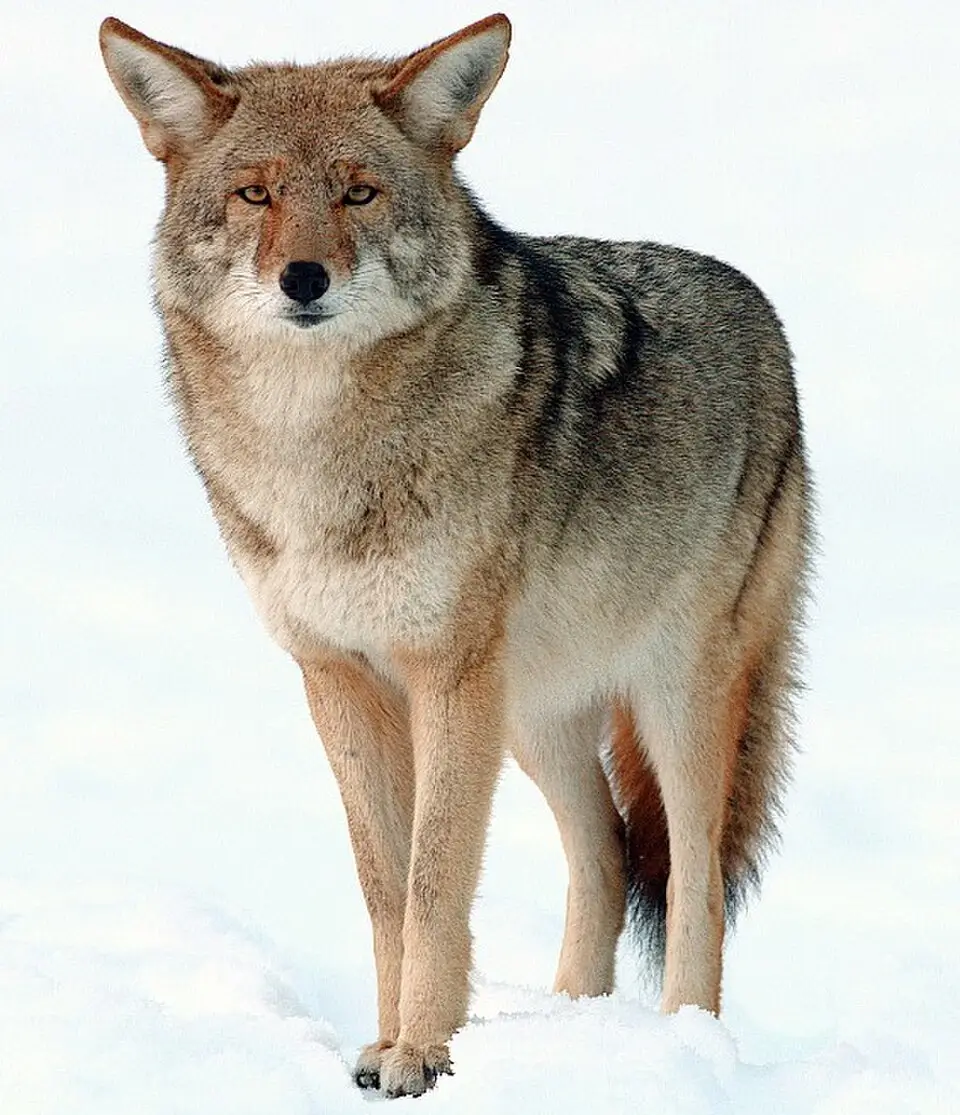
The coyote is a member of the family Canidae, making it a relative of wolves, foxes, and domestic dogs. It is smaller than its cousin, the gray wolf, typically weighing between 15 to 45 pounds, with a lean, lanky build, large pointed ears, and a bushy tail that is often held low when running, unlike the upward curl of a domestic dog. Its fur is generally a grizzled gray or tan, but can vary from reddish to nearly black, providing excellent camouflage in its native environments.
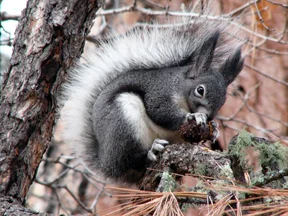
One of the coyote's most defining biological traits is its incredible adaptability in diet. It is an opportunistic omnivore with a menu that changes based on season and location. Its primary diet consists of small mammals like mice, voles, rabbits, and squirrels. However, it is also a skilled predator of fawns and will readily eat birds, snakes, insects, and even lizards. When animal prey is scarce, coyotes supplement their diet with fruits, berries, grasses, and carrion. This dietary flexibility is a key factor in their survival and success across diverse habitats.
Coyotes are also renowned for their intelligence and complex social structures. They typically live in family units or small packs, often consisting of a mated pair and their young from the current year. Unlike wolves, which hunt in large coordinated packs to take down big game, coyote family groups usually hunt solos or in pairs for smaller prey. Their communication is sophisticated, involving a rich vocabulary of barks, yips, howls, and growls. The iconic group howl, often heard at dusk and dawn, serves to assemble the family, defend territory from rivals, and strengthen social bonds.
Habitat & Range
The coyote's native range spans much of North America, from central Mexico northward through the United States and into Canada. Historically, the species was most abundant in the Great Plains and southwestern deserts. Arizona, with its vast deserts like the Sonoran and Chihuahua, mountainous regions, and riparian corridors, provides ideal, classic coyote habitat.
However, what makes the coyote exceptional is its ability to colonize new and human-altered landscapes. It can be found in every conceivable habitat: dense forests, open grasslands, alpine meadows, marshes, and urban and suburban environments. This expansion into the eastern United States and into major cities is a relatively recent phenomenon, largely occurring in the 20th century. Coyotes are generalists; they do not require large, unbroken wilderness. They can survive in fragmented habitats, using agricultural lands, parks, golf courses, and even railroad corridors as travel routes and territory. In urban areas, they have learned to navigate human infrastructure and exploit new food sources, such as garbage, pet food, and ornamental fruit trees, while also controlling rodent populations.
Hunting Information
The coyote has a long and complex relationship with human hunters and wildlife management. In many jurisdictions, including Arizona, coyotes are classified as a predator or furbearer, and their management regulations can be specific and varied. For precise, up-to-date season dates, licensing requirements, and legal methods of take in Arizona, it is essential for hunters to consult the official regulations provided by the Arizona Game and Fish Department (AZGFD). Wildlife laws can change annually, and compliance is the hunter's responsibility.
Generally, across the West, coyote hunting is often permitted year-round with no bag limits, as they are abundant and can be managed as a sustainable resource. Hunting can serve several purposes: it can help manage local populations, protect game species like deer and pronghorn fawns (which coyotes predate), safeguard livestock, and provide a challenging pursuit for hunters. Calling techniques, using electronic or mouth-blown calls that mimic the sounds of distressed rabbits or rodents, are a very popular and effective method for attracting coyotes within range. Hunters often use rifles, shotguns, or archery equipment, and may hunt during the day or at night where legal.
It is crucial to understand the ecological context. Coyotes are a native and vital part of the food web. Scientific studies have shown that coyote populations are highly resilient. Lethal control programs can sometimes lead to increased reproduction and immigration, a phenomenon known as the "compensatory rebound" effect. Therefore, sustainable management often considers a combination of methods, including non-lethal deterrents for livestock protection and regulated hunting. The goal is to maintain a healthy, balanced population that fulfills its ecological role while minimizing conflicts.
Conservation
The conservation status of the coyote is a unique success story. According to the International Union for Conservation of Nature (IUCN), the coyote is listed as "Least Concern." Its global population is considered stable and, in fact, is likely higher today than it was before European settlement of North America. This stands in stark contrast to many large predators that have seen their ranges and numbers plummet.
The coyote's boom is partly linked to the historical eradication of its main competitor and predator, the gray wolf. With wolves largely removed from most of the lower 48 states for much of the 20th century, coyotes faced less competition for food and less predation pressure, allowing them to expand into new niches.
Conservation discussions around coyotes today focus less on protecting the species from extinction and more on managing human-coyote coexistence. As coyotes move into suburban and urban areas, educating the public becomes paramount. Recommendations include securing trash, not feeding coyotes (intentionally or unintentionally), supervising pets, and hazing coyotes that appear too comfortable around people—using noise and motion to re-instill a healthy wariness. The goal of modern coyote management is to appreciate its role in controlling rodent populations and maintaining ecosystem health, while proactively preventing conflicts through public awareness and responsible practices.
The coyote is a profound symbol of wildness and adaptability. Its story is not one of decline, but of remarkable persistence and expansion in a changing world. Understanding its biology and behavior is the first step toward fostering a respectful and informed relationship with this quintessential North American carnivore.
Frequently Asked Questions
What is the scientific name for the coyote?
The scientific name for the coyote is Canis latrans.
Is it legal to hunt coyotes in Arizona?
Coyote hunting regulations vary by state and can change. In Arizona, coyotes are generally classified as predatory animals, and hunting is often permitted year-round. However, hunters must always consult the latest official rules from the Arizona Game and Fish Department for current season dates, licensing requirements, and legal methods before hunting.
What do coyotes eat?
Coyotes are opportunistic omnivores with a highly varied diet. They primarily eat small mammals like rabbits, mice, and squirrels, but will also consume birds, insects, reptiles, fruits, berries, carrion, and even garbage in urban areas.
Are coyotes dangerous to humans?
Coyotes are generally wary of humans and attacks are extremely rare. They pose a much greater threat to unsupervised pets and livestock. To prevent conflicts, it is important not to feed coyotes and to secure trash and pet food.
How has the coyote population changed over time?
The coyote population and range have expanded dramatically over the past century. Once confined mainly to the western plains and deserts, coyotes now inhabit every U.S. state, including urban areas, and their numbers are considered stable and abundant.