The Cougar: America's Majestic and Elusive Ghost Cat
The cougar, known by many names including puma, mountain lion, and panther, is one of the most iconic and awe-inspiring predators native to the Americas. As a symbol of wildness and wilderness, this magnificent feline captures the imagination of outdoor enthusiasts, wildlife biologists, and anyone who ventures into its domain. While often shrouded in mystery due to its elusive nature, the cougar is a fascinating subject of study, representing both ecological resilience and the challenges of modern wildlife management. This article explores the biological traits, habitat, range, and conservation status of the cougar (Puma concolor), with particular attention to its presence in the Southwestern United States, including Arizona.
Introduction
The cougar holds a unique position in the animal kingdom as the largest of the "small cats" and a powerful apex predator. Unlike lions or tigers, cougars cannot roar, but they possess a chilling repertoire of screams, purrs, and hisses that echo through the canyons and forests they inhabit. Their range is the widest of any terrestrial mammal in the Western Hemisphere, stretching from the Canadian Yukon to the southern Andes of South America. This adaptability to diverse environments, from arid deserts to humid rainforests, is a testament to their evolutionary success. However, their secretive habits mean that seeing a cougar in the wild is a rare and memorable experience, earning them the nickname "ghost cat" or "shadow cat."
In the Southwestern United States, particularly in Arizona, the cougar is an integral part of the ecosystem. The state's varied topography, which includes vast deserts, rugged mountains, and deep canyons, provides ideal habitat for these adaptable predators. Understanding the cougar is crucial not only for appreciating the natural heritage of Arizona but also for fostering coexistence between humans and large carnivores, a key component of modern conservation efforts.
Biological Traits
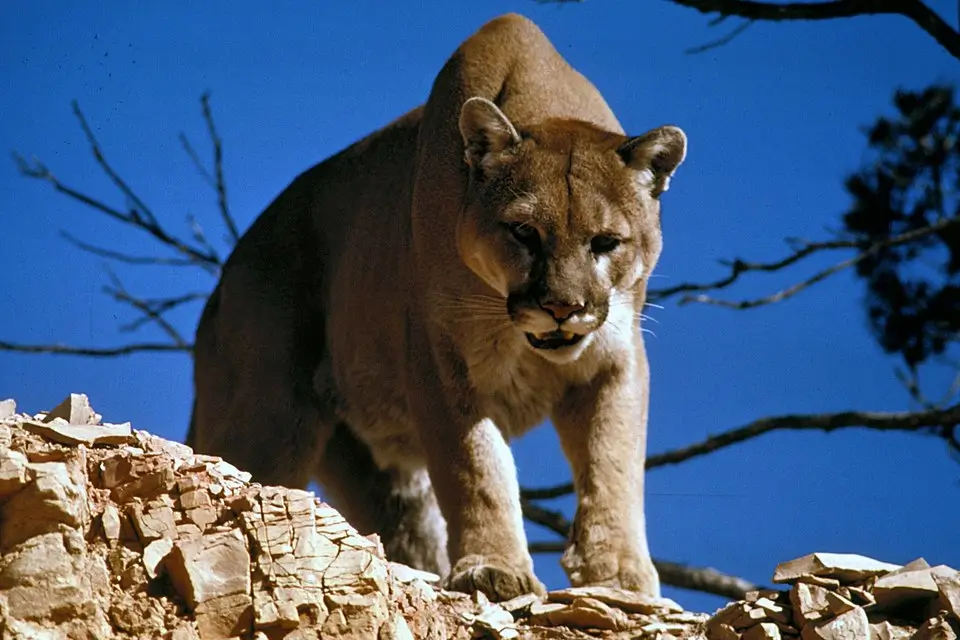
The cougar is a model of feline power and agility. It is characterized by a sleek, muscular body, a small head, and a remarkably long tail that can measure nearly one-third of its total body length. This tail acts as a crucial counterbalance during high-speed chases and agile maneuvers through rocky terrain. Adult cougars exhibit significant sexual dimorphism; males typically weigh between 115 to 220 pounds, while females are generally smaller, ranging from 64 to 140 pounds. Their total length, from nose to tail, can reach up to 8 feet for males.
Their coat is another defining feature. The name concolor means "of one color," referring to their uniform tawny, grayish, or reddish-brown fur, which provides excellent camouflage in their surroundings. Cubs are born with spotted coats and ringed tails, markings that fade as they mature. This plain coat is punctuated by lighter areas on the chest, belly, and muzzle, and black tips on the ears and tail.
As obligate carnivores, cougars primarily prey on ungulates. Deer, particularly mule deer and white-tailed deer, constitute the cornerstone of their diet. They are ambush predators, relying on stealth and power to stalk and pounce on their prey, often delivering a lethal bite to the neck or skull. Their incredible strength allows them to take down animals several times their own weight, though they will also opportunistically hunt smaller mammals like raccoons, porcupines, and coyotes when larger prey is scarce. A successful cougar may cache a large kill and return to feed on it over several days.
Cougars are solitary animals, with adults coming together only to mate. A female's gestation period lasts about 90 days, after which she gives birth to a litter of one to six cubs, with two or three being common. She raises the cubs alone, teaching them to hunt and survive for up to two years before they disperse to establish their own territories. Male territories are vast, often overlapping those of several females, and are marked with scrapes, claw marks, and scent to warn off rival males.
Habitat & Range
The cougar’s adaptability is legendary. Historically, it occupied every terrestrial habitat in the Americas, from sea-level deserts to high-altitude mountains. Today, its range in the western United States and Canada, while significantly reduced from its historical span across the entire continent, still encompasses an impressive variety of ecosystems. They are most commonly associated with broken, rugged terrain that provides ample cover for stalking prey and denning. This includes coniferous and tropical forests, scrublands, grasslands, and even arid desert environments, as long as there is sufficient prey, cover, and access to water.
In Arizona, this adaptability is on full display. Cougars thrive in the Sky Islands of the southeast, the vast ponderosa pine forests of the Mogollon Rim, the chaparral of the central region, and the desert ranges of the southwest. Their ability to persist in mountain "islands" surrounded by desert lowlands showcases their skill at navigating through varied landscapes to hunt and establish territory. Despite the encroachment of human development, cougars in Arizona still occupy a significant portion of their native range within the state, utilizing wildlife corridors that connect larger habitat blocks.
The expansion of human populations into previously wild areas has inevitably led to increased interactions. While cougars generally avoid humans, encounters can occur, especially where neighborhoods border wildland interfaces. Understanding their habitat needs is key to managing these situations: cougars are drawn to areas with abundant prey, such as deer that are attracted to lush suburban landscaping, which in turn can bring predators closer to human communities.
Hunting Information
Hunting has historically been a primary tool for managing cougar populations and mitigating human-wildlife conflicts. In many western states, cougars are classified as a game species, with regulated hunting seasons designed to maintain healthy populations at levels that are socially and ecologically sustainable. The specific regulations, including season dates, license requirements, quotas, and legal methods of take, are determined by state wildlife agencies based on ongoing population research and public input.
For the state of Arizona, the Arizona Game and Fish Department is the authoritative body responsible for the scientific management of cougar populations. While the specific, current hunting regulations are not detailed in the provided source data, it is a well-established practice that Arizona implements regulated cougar hunting seasons. These regulations are dynamic and are adjusted annually based on population surveys, harvest data, and conservation objectives. Hunters interested in pursuing cougars in Arizona must consult the official annual "Arizona Hunting Regulations" booklet published by the Arizona Game and Fish Department for the most accurate and up-to-date information on season dates, licensing, legal areas, and harvest reporting requirements. This ensures that hunting is conducted as a sustainable and ethical component of the state's overall wildlife management strategy.
Conservation
The conservation story of the cougar in North America is one of partial recovery and ongoing challenge. Unregulated hunting and bounty programs in the 19th and early 20th centuries eradicated cougars from the eastern two-thirds of the United States. However, since the mid-20th century, protective measures, regulated hunting, and reforestation have allowed populations in the western states to rebound. Today, the cougar is classified as "Least Concern" on the IUCN Red List globally, thanks to its large range and stable populations in many areas.
This does not mean the species is without threats. Habitat fragmentation due to roads, development, and agriculture poses a significant challenge by isolating populations and reducing genetic diversity. Vehicle collisions, loss of prey base, and illegal poaching are also persistent issues. Furthermore, the eastern expansion of cougars from western strongholds is a complex issue, with confirmed sightings as far east as Connecticut, raising debates about their protected status and potential recolonization of historical ranges.
In Arizona, conservation efforts focus on sustainable population management, research on cougar ecology and behavior, and public education to promote coexistence. Programs aimed at securing wildlife corridors are vital for allowing cougars and other species to move between habitat patches, ensuring genetic exchange and long-term population health. The future of the "ghost cat" depends on continued science-based management, public appreciation for its ecological role, and a commitment to preserving the wild landscapes it calls home.
Frequently Asked Questions
What is the scientific name for a cougar?
The scientific name for a cougar is *Puma concolor*.
What do cougars eat?
Cougars are obligate carnivores and primarily prey on deer, such as mule deer and white-tailed deer. They will also opportunistically hunt smaller mammals like raccoons, porcupines, and coyotes.
Where do cougars live in Arizona?
In Arizona, cougars inhabit a variety of rugged terrains, including the Sky Island mountains, ponderosa pine forests, chaparral, and desert mountain ranges. They prefer areas with sufficient cover, prey, and water.
Is it legal to hunt cougars in Arizona?
Yes, regulated cougar hunting is a legal part of wildlife management in Arizona. However, specific season dates, license requirements, and quotas are set annually by the Arizona Game and Fish Department. Hunters must consult the official state hunting regulations for current rules.
Are cougars endangered?
Globally, the cougar is classified as 'Least Concern' by the IUCN due to its large range and stable populations in many regions. However, local populations can face threats from habitat loss and fragmentation, and they were historically eradicated from the eastern United States.