The Cottontail rabbit, a member of the genus Sylvilagus, is one of North America's most familiar and widespread wild mammals. These small, herbivorous lagomorphs are a cornerstone of many ecosystems, playing a vital role as both a consumer of vegetation and a primary prey species for a host of predators. Their name, derived from the characteristic fluffy white underside of their tail, evokes an image instantly recognizable to hikers, hunters, and backyard wildlife observers alike. While they are a common sight, their biology, ecological importance, and the traditions surrounding them are rich and complex. This article explores the world of the Cottontail rabbit, from its biological traits to its habitat, its role in hunting traditions, and the conservation considerations that ensure its continued presence on the landscape.
Introduction
The sight of a Cottontail rabbit darting from brush to brush is a quintessential element of the North American rural and suburban experience. Belonging to the family Leporidae, which includes all rabbits and hares, the Cottontail is specifically a "rabbit" rather than a "hare." This distinction is based on key biological differences: rabbits are typically born naked, blind, and in shallow nests, while hares are born fully furred, sighted, and in open depressions. The genus Sylvilagus is diverse, containing over a dozen species that range from the widespread Eastern Cottontail (Sylvilagus floridanus) to the desert-adapted Desert Cottontail (Sylvilagus audubonii) and the brush-dwelling Brush Rabbit (Sylvilagus bachmani). Their adaptability is legendary, allowing them to thrive in environments ranging from dense forests and grasslands to arid deserts and the edges of human development. This adaptability has not only made them a successful species in the wild but also a historically important game animal, providing sustenance and outdoor recreation for generations.
Biological Traits
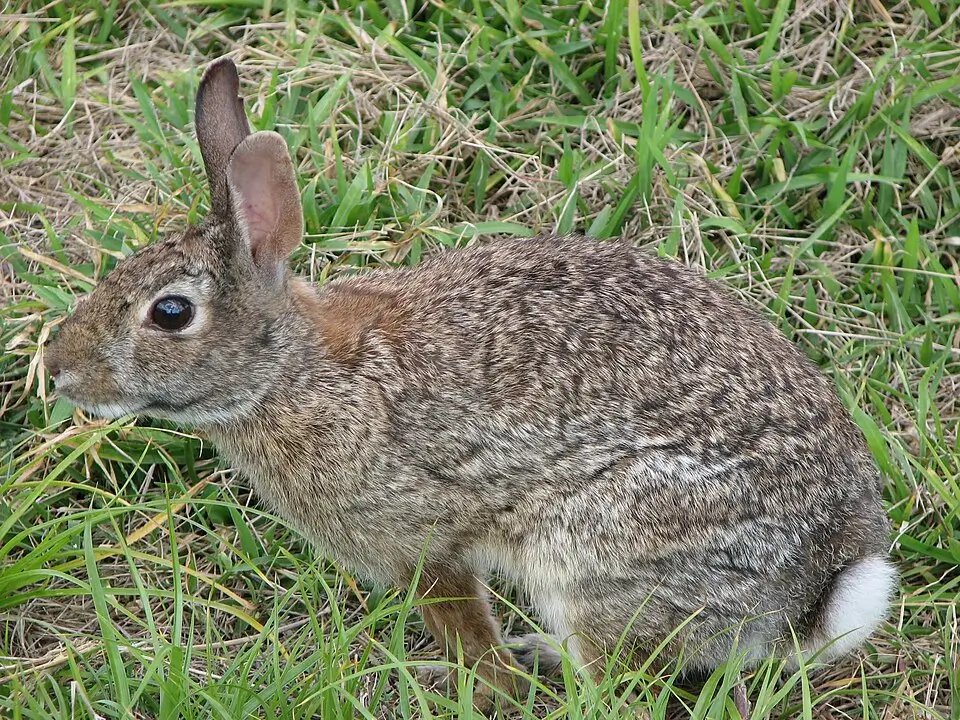
Cottontail rabbits are small to medium-sized mammals, generally weighing between one and four pounds, though this can vary significantly by species and region. Their fur is typically a blend of brown, gray, and tan, providing excellent camouflage in their natural habitats of brush, grass, and undergrowth. The most distinguishing feature is, of course, the tail—short, fluffy, and bright white on the underside, which acts as a visual signal to other rabbits when fleeing from danger.
As lagomorphs, they possess two pairs of upper incisors. The prominent front pair is used for gnawing, while a smaller, secondary pair is located directly behind them. Their digestive system is highly specialized for their herbivorous diet. They practice cecotrophy, the consumption of special soft pellets (cecotropes) produced in the cecum, a pouch at the beginning of the large intestine. This process allows them to extract maximum nutrition from their fibrous diet of grasses, clover, garden vegetables, bark, and twigs.
Cottontails have a high reproductive rate, a key survival strategy given their role as a primary prey animal. A female can have several litters per year, with each litter typically containing three to eight young, called kits or kittens. The gestation period is short, around 28-30 days. The young are born in a shallow nest lined with grass and fur, and they develop rapidly, weaning in about four to five weeks and reaching sexual maturity within a few months. This prolific breeding helps populations recover quickly from declines due to predation, disease, or harsh weather.
Their lifespan in the wild is relatively short, often less than two years, due to the intense predation pressure they face. They are a critical food source for a wide array of predators, including hawks, owls, eagles, foxes, coyotes, bobcats, weasels, and snakes. Their survival depends on a combination of keen senses—excellent hearing and a wide field of vision—and explosive speed and agility to bolt for cover.
Habitat & Range
The habitat of the Cottontail rabbit is as diverse as the species within the genus. In general, they are creatures of "edge" environments—the transitional zones between open areas and dense cover. They require thickets, brambles, brush piles, hollow logs, or dense shrubs for shelter from predators and the elements, as well as nearby open areas like fields, meadows, or lawns for feeding.
The Eastern Cottontail, the most common species, has a range that extends from the eastern United States through the Midwest and into parts of the Southwest. The Desert Cottontail, as its name suggests, is adapted to arid environments in the western United States and Mexico, including the state of Arizona. In Arizona's diverse landscape—which includes deserts, canyons, grasslands, and mountain forests—the Desert Cottontail is a widespread resident. It can be found from the saguaro-studded Sonoran Desert to the scrubby foothills and riparian areas, always seeking out patches of vegetation that provide both food and concealment.
In Arizona, cottontails are a common sight at dawn and dusk (crepuscular activity) in areas with adequate cover. Their presence is often given away by their characteristic rapid, bounding run or by the sight of their white tails disappearing into a stand of cholla or mesquite. Their ability to thrive in such a hot, dry climate is aided by their nocturnal and crepuscular habits, which help them avoid the peak heat of the day.
Hunting Information
The Cottontail rabbit has a long and storied history as a small game animal in North America. For many hunters, it represents an accessible and rewarding entry point into the sport, often pursued with a .22 caliber rifle, a shotgun, or even through the practice of falconry. The pursuit of rabbits teaches essential skills such as tracking, stealth, marksmanship, and understanding animal behavior.
Hunting regulations, including season dates, bag limits, and licensing requirements, are set by individual state wildlife management agencies to ensure sustainable harvest and population health. It is crucial for any prospective hunter to consult the specific regulations for the state and area they plan to hunt.
Regarding Arizona, the provided source data does not contain specific official hunting information such as season dates or license requirements. Therefore, this article cannot provide current or specific regulations. However, generally speaking, in many states, rabbit hunting seasons are long, often running from fall through winter and into early spring. Bag limits are typically generous, reflecting the rabbits' high reproductive potential. A valid state hunting license is almost always required, and hunters must be familiar with local rules regarding legal weapons, hunting hours, and any area-specific restrictions.
For accurate and up-to-date information on hunting Cottontail rabbits in Arizona, individuals must directly consult the official resources of the Arizona Game and Fish Department (AZGFD). The AZGFD website and published regulation handbooks are the authoritative sources for season dates, licensing procedures, and any specific rules pertaining to cottontail species within the state.
Conservation
Due to their vast numbers and high reproductive rate, most Cottontail rabbit species are not considered globally threatened. The IUCN Red List classifies many species, like the Eastern Cottontail, as "Least Concern." However, this does not mean they are without conservation challenges. Population fluctuations are natural and can be dramatic, influenced by factors like disease (including tularemia and rabbit hemorrhagic disease virus), severe weather, habitat loss, and predation cycles.
Habitat loss and fragmentation are perhaps the most significant long-term threats. The conversion of brushy, rural landscapes into manicured suburban developments or intensive agriculture removes the essential cover and food sources cottontails rely on. In Arizona, the expansion of urban areas into the desert can reduce habitat connectivity for species like the Desert Cottontail.
Sustainable hunting, when properly regulated, is considered a tool for conservation, not a threat. It helps maintain a healthy balance between rabbit populations and their habitat, preventing over-browsing that can degrade the environment for other species. Revenue generated from the sale of hunting licenses is also a primary funding source for state wildlife agencies, supporting habitat conservation, research, and management programs that benefit all wildlife, not just game species.
Conservation efforts for cottontails, therefore, focus on habitat preservation and management. This includes maintaining brushy fencerows, brush piles, and natural hedgerows in agricultural areas, protecting riparian corridors in the West, and practicing thoughtful land-use planning that considers wildlife needs. For specific species of concern, like the New England Cottontail (Sylvilagus transitionalis), which has seen significant population declines, targeted habitat restoration projects are underway.
The future of the Cottontail rabbit is intertwined with the health of the ecosystems it inhabits. By conserving diverse landscapes with the mix of cover and forage they need, we ensure the continuation of not only this iconic species but also the broader web of life that depends on it. The simple "cottontail" remains a powerful symbol of wildness and resilience, whether viewed through the scope of a hunter's rifle or the lens of a naturalist's binoculars.
Frequently Asked Questions
What is the scientific name for the Cottontail rabbit?
The Cottontail rabbit belongs to the genus *Sylvilagus*. This genus contains over a dozen species, including the Eastern Cottontail (*S. floridanus*) and the Desert Cottontail (*S. audubonii*).
What do Cottontail rabbits eat?
Cottontail rabbits are herbivores. Their diet consists primarily of grasses, clover, garden vegetables, and other green plants. In winter, they may also eat bark, twigs, and buds from shrubs and small trees.
Can you hunt Cottontail rabbits in Arizona?
While cottontail rabbits are a common small game animal in many states, specific hunting regulations, including season dates and licensing for Arizona, were not available in the provided source data. Anyone interested must consult the Arizona Game and Fish Department directly for the current, official rules and requirements before hunting.
What is the main difference between a rabbit and a hare?
The key difference is in their early development. Rabbits, like cottontails, are born naked, blind, and in a fur-lined nest. Hares are born fully furred, with their eyes open, in a simple shallow depression on the ground.
Are Cottontail rabbits endangered?
Most cottontail species, such as the widespread Eastern Cottontail, are classified as 'Least Concern' and are not endangered. However, some specific species, like the New England Cottontail, have experienced significant population declines due to habitat loss and are the focus of conservation efforts.