The Common Pheasant: A Comprehensive Guide to an Iconic Game Bird
Introduction
Among the many bird species celebrated by hunters and wildlife enthusiasts across North America, the Common pheasant (Phasianus colchicus) holds a place of particular distinction. Often referred to simply as the ring-necked pheasant, this striking bird is not native to the continent but has become deeply embedded in its hunting culture and rural landscapes since its introduction in the 19th century. Known for the male's brilliant plumage and explosive flush from cover, the pheasant represents a classic upland game bird pursuit. This article explores the biological characteristics, historical range and habitat, general hunting context, and conservation considerations surrounding this fascinating species, with a specific look at its presence in the southwestern state of Arizona.
Biological Traits
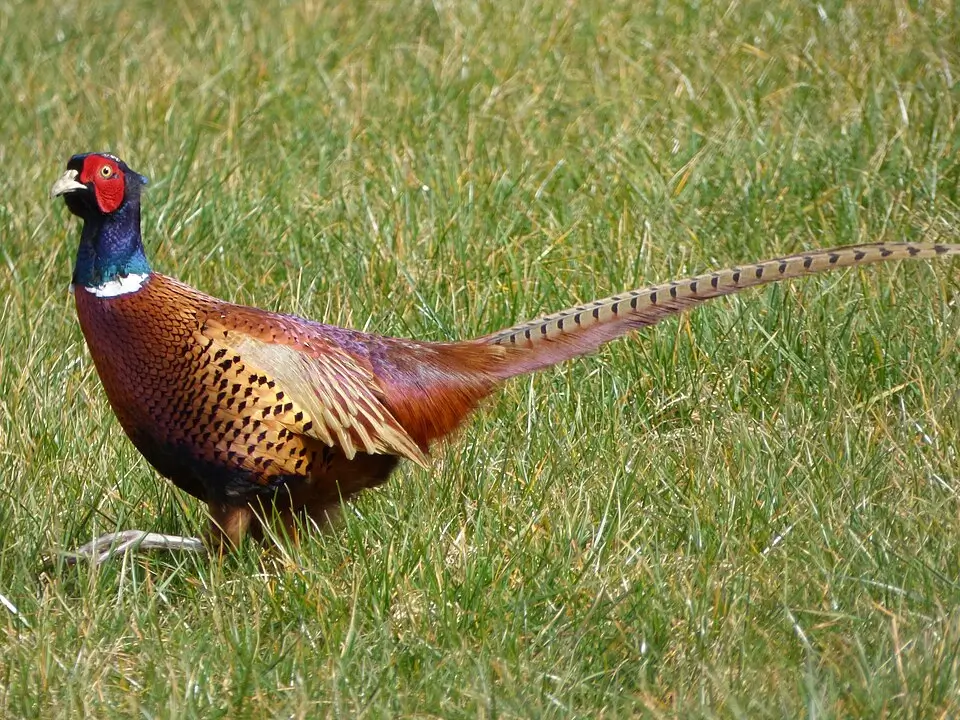
The Common pheasant is a large, long-tailed member of the order Galliformes, which includes other familiar ground-feeding birds like chickens, turkeys, and quail. Adult males, known as cocks or roosters, are renowned for their spectacular appearance. They typically weigh between 2 to 3 pounds and measure 2 to 3 feet in length, with a significant portion of that length being their tapered, barred tail feathers. Their most recognizable features include a bare red patch of skin around the eye (the wattle), a distinctive white neck ring, and an iridescent plumage that shimmers with greens, coppers, golds, and purples, especially on the back and breast.
Females, known as hens, are considerably more subdued in coloration, which serves as effective camouflage during nesting. Their plumage is a mottled mixture of tan, brown, and black, providing excellent concealment in grasslands and agricultural fields. This sexual dimorphism is common in ground-nesting birds where the female is the primary incubator and caretaker of the young.
Pheasants are primarily herbivorous as adults, feeding on a variety of seeds, grains, berries, and leaves. However, their diet is highly opportunistic and can include insects, especially during the warmer months. Chicks, known as poults, rely heavily on protein-rich insects for rapid growth during their first few weeks of life. Their diet is often supplemented by grit—small stones and sand ingested to help grind food in the gizzard, a specialized muscular part of their stomach.
Habitat & Range
The natural range of the Common pheasant spans across Asia, from the Black Sea and Caucasus region through Mongolia and northern China. It was from these areas that the bird was first introduced to other parts of the world. The first successful introduction to North America is often credited to Owen Nickerson Denny, a former U.S. consul to China, who released approximately 30 birds in Oregon's Willamette Valley in 1881. Additional introductions followed, and the species thrived across the agricultural heartlands of the continent.
Pheasants are strongly associated with a patchwork landscape of grassland and agriculture. Their ideal habitat consists of a mosaic of tall, dense grass or brush for nesting and cover, combined with nearby croplands or harvested fields for feeding. They favor areas with abundant winter cover, such as cattail marshes, shelterbelts of trees, or thickets of native shrubs, which provide crucial protection from harsh weather and predators. In regions like the Midwest's "Pheasant Belt"—states such as South Dakota, Iowa, and Kansas—these habitat conditions historically supported dense pheasant populations.
In the southwestern United States, including Arizona, the Common pheasant is not a native species and its populations are typically limited and localized. Arizona's arid climate and predominant habitat types, such as desert scrub, chaparral, and pine forests, are not the ideal, extensive grassland-agriculture mosaics found in the central plains. Consequently, any established pheasant populations in Arizona are generally the result of localized introductions and are found in specific irrigated agricultural valleys where water is available and suitable cover exists, such as parts of the Gila River or Colorado River valleys. These populations are often maintained through ongoing stocking programs rather than being self-sustaining wild flocks.
Hunting Information
Hunting for Common pheasants is a time-honored tradition that combines the thrill of the chase with the camaraderie of the outdoors. It is primarily an upland hunt, where hunters walk through fields and grasslands, often with the assistance of well-trained dogs like English Pointers, Labrador Retrievers, or Springer Spaniels. The dogs use their keen noses to locate and "point" or flush birds from heavy cover, after which the hunter takes a shot at the fast-flying bird as it rises.
The hunting season for pheasants is typically set in the fall and winter, after the primary nesting and brood-rearing season has concluded, to ensure population sustainability. Specific season dates, bag limits, and legal hunting methods vary significantly by state and even by county within a state, as they are set by state wildlife management agencies based on annual population surveys and habitat conditions.
Regarding Arizona, the official hunting information for Common pheasants is not available in the provided source data. This suggests that pheasant hunting may not be a widespread or formally managed season across the state. In states where pheasants are present but not abundant, hunting opportunities may be highly restricted, require a special permit, or be dependent on controlled releases on specific Wildlife Management Areas or through private hunting preserve operations. Prospective hunters in Arizona are strongly advised to consult the Arizona Game and Fish Department's annual hunting regulations guide for the most current and official information regarding any upland game bird seasons, including pheasants, as well as licensing requirements.
Conservation
The conservation story of the Common pheasant in North America is largely one of habitat. The bird's population fortunes have closely tracked the availability of quality grassland and wetland habitats. The mid-20th century saw a dramatic decline in pheasant numbers across much of their range, largely due to the loss of native prairie and grassland to agricultural intensification, drainage of wetlands, and clean farming practices that remove fence rows and weedy field margins.
Conservation efforts have focused on habitat restoration and protection. Programs like the Conservation Reserve Program (CRP) in the United States, which pays farmers to convert environmentally sensitive cropland back to native grasses and vegetation, have provided significant benefits to pheasants and other grassland wildlife. The work of organizations like Pheasants Forever, which emphasizes habitat conservation through local chapters and land acquisition, has also been pivotal.
The species itself is not considered globally threatened; its IUCN Red List status is "Least Concern" due to its vast natural range in Asia and successful introductions elsewhere. However, local populations, particularly in peripheral or introduced ranges like Arizona, can be vulnerable. Their long-term sustainability in such areas is entirely dependent on the availability of artificial or naturally irrigated habitat and may be subject to fluctuations in water availability, land-use change, and predation.
Frequently Asked Questions
What is the scientific name for the Common pheasant?
The scientific name for the Common pheasant, also known as the ring-necked pheasant, is *Phasianus colchicus*.
Are Common pheasants native to North America?
No, Common pheasants are not native to North America. They are native to Asia and were successfully introduced to North America in the late 19th century, most famously in Oregon in 1881.
Can you hunt Common pheasants in Arizona?
While Common pheasants can be found in limited, localized areas of Arizona, official statewide hunting information for this species is not available. Any hunting opportunities would likely be highly regulated, possibly through controlled releases or on private preserves. Hunters must consult the Arizona Game and Fish Department for the most current regulations and season information.
What is the ideal habitat for pheasants?
Pheasants thrive in a mosaic landscape that includes tall, dense grass for nesting and cover, adjacent to agricultural fields for food. They also require secure winter cover, such as cattail marshes or shelterbelts, to survive cold weather.
What is the main threat to pheasant populations?
The primary threat to pheasant populations is the loss of quality grassland and wetland habitat due to agricultural conversion and land development. Conservation efforts focus on restoring these habitats through programs like the Conservation Reserve Program (CRP).