The Canada Goose: A Profile of North America's Most Recognizable Waterfowl
Introduction
With its iconic V-formation flight across autumn skies and its familiar, resonant honk, the Canada goose (Branta canadensis) is one of the most recognizable birds in North America. This large, majestic waterfowl is a symbol of the wild for many, embodying seasonal change and the resilience of nature. From pristine boreal lakes to urban parks, the Canada goose has demonstrated a remarkable ability to adapt and thrive alongside human development. Its presence spans the continent, and its management involves the careful balance of hunting, conservation, and land use practices. This article delves into the life history, ecological role, and human interactions with this ubiquitous species, with a particular focus on its relevance to regions like the southwestern United States.
Biological Traits
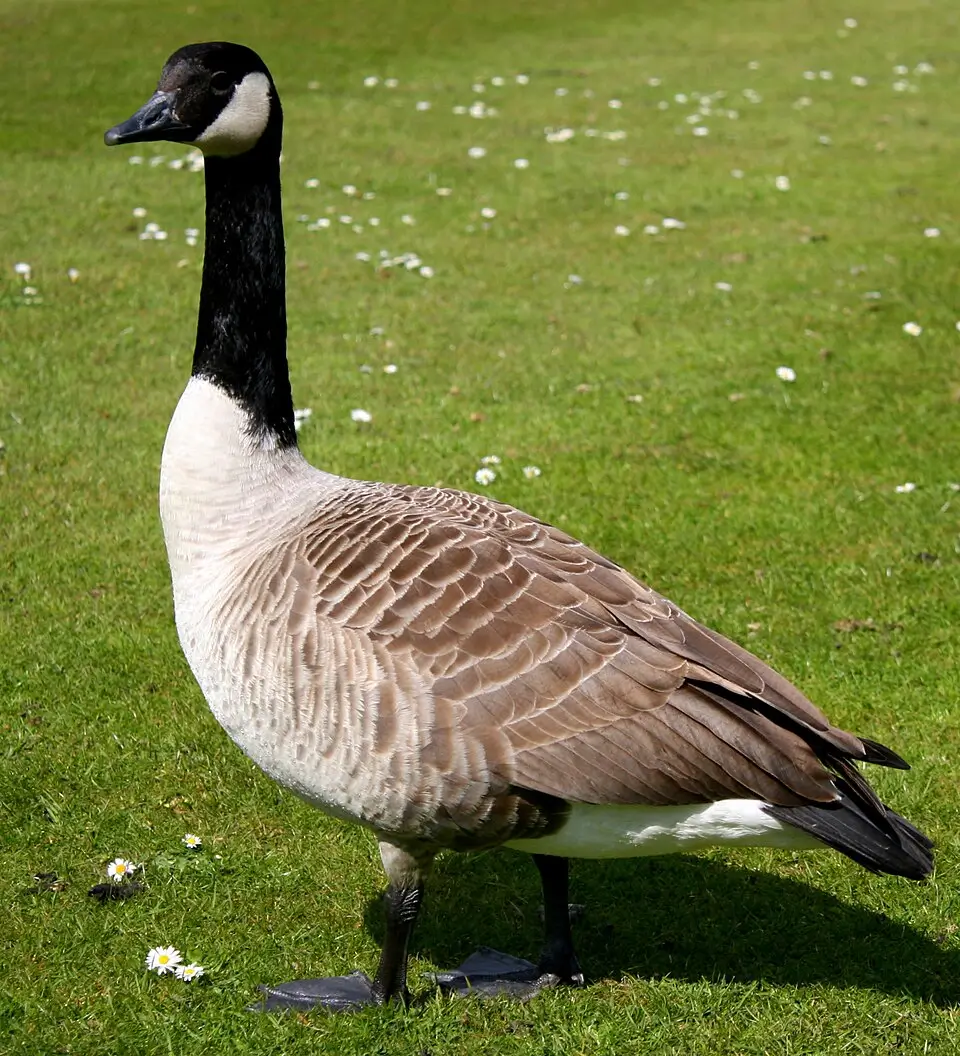
The Canada goose belongs to the family Anatidae and the genus Branta, which includes other black-bodied geese like the barnacle goose and brant. It is a large bird, with a long, black neck and a distinctive white cheek patch that contrasts sharply against its dark head. The body is typically a brownish-gray color with a lighter, often white, breast and belly. There is significant variation in size among the many recognized subspecies, generally grouped into the "lesser" and "greater" Canada geese. Adults can range from about 30 to 43 inches in length, with wingspans stretching between 4.2 and 5.6 feet. Weights vary considerably, from as little as 5 pounds for the smallest subspecies to over 14 pounds for the largest.
The diet of the Canada goose is primarily herbivorous. They are grazers, feeding on a variety of terrestrial and aquatic vegetation. Their diet includes grasses, sedges, aquatic plants, grains like wheat and corn, and occasionally insects or small invertebrates, especially during the breeding season when protein demands are higher. Their strong, serrated bills are perfectly adapted for tearing grasses and cropping shoots close to the ground. Geese are often seen feeding in large flocks on agricultural fields and manicured lawns, a behavior that has contributed to their adaptability to human-modified landscapes.
Canada geese are monogamous, often forming lifelong pair bonds. Breeding begins in the spring, typically in their second or third year of life. They nest on the ground near water, usually on elevated sites like muskrat mounds, small islands, or rock outcrops that provide a view to spot approaching predators. The nest is a shallow depression lined with down and plant material. The female lays a clutch of 2 to 8 eggs, which she incubates for about 25 to 28 days while the male stands guard nearby. The goslings are precocial—they hatch covered in down, are able to walk and swim within a day, and can find their own food shortly after hatching, though they remain under the protection of both parents for about a year.
Habitat & Range
The natural breeding habitat of the Canada goose includes a wide range of wetlands, from tundra ponds and boreal marshes to temperate prairie potholes and coastal estuaries. They are found throughout most of Canada and the northern United States. During the winter, they migrate south to more temperate regions across the lower 48 states, northern Mexico, and the Pacific and Atlantic coasts.
A significant development in the modern distribution of the Canada goose is the establishment of large, resident, non-migratory populations. These populations, often descended from captive or introduced stock, have become permanent fixtures in urban and suburban areas with suitable water bodies, parks, and lawns. These resident geese thrive in man-made environments like golf courses, corporate campuses, and city parks, where food is abundant and natural predators are few. Consequently, the species' range now effectively covers most of North America year-round.
In the context of Arizona, the Canada goose is not a common year-round resident in most parts of the state due to its arid climate and lack of extensive waterways. However, during the winter months, some populations do migrate to Arizona's lakes, reservoirs, rivers, and agricultural areas, particularly in the central and eastern parts of the state. Areas along the Colorado River, the Salt River chain of lakes, and the Willcox Playa can see seasonal influxes of migrating geese.
Hunting Information
Waterfowl hunting, including for Canada geese, is a deeply rooted tradition and a significant wildlife management tool in North America. Hunting helps regulate population levels, particularly of abundant resident flocks, which can cause crop damage, overgraze natural areas, and create conflicts in urban spaces. Harvest is regulated through a cooperative framework between state and federal agencies.
In the United States, all migratory bird hunting is governed by the federal Migratory Bird Treaty Act. The U.S. Fish and Wildlife Service (USFWS) sets the overall frameworks for season lengths, bag limits, and dates. Individual states then establish specific regulations within those frameworks, tailored to local population goals and hunter demand.
For Arizona specifically, the Arizona Game and Fish Department manages hunting seasons. While general federal frameworks exist, the department does not offer specific information on Canada goose hunting seasons in the source data provided. Prospective hunters must consult the official annual "Arizona Waterfowl and Snipe Regulations" published by the Arizona Game and Fish Department. These regulations provide definitive information on season dates, area-specific rules, license requirements (which typically include a state hunting license, a migratory bird stamp, and a federal duck stamp), legal shooting hours, and daily bag limits.
General practices for goose hunting involve field hunting over decoys or hunting over water. Hunters use blinds for concealment and employ calling techniques to mimic goose vocalizations to lure flocks. Steel shot is mandatory for all waterfowl hunting nationwide to prevent lead poisoning in the environment.
Conservation
The story of the Canada goose is largely a conservation success story. In the early 20th century, many populations were severely depleted due to unregulated hunting and habitat loss. The passage of protective laws like the Migratory Bird Treaty Act of 1918 and dedicated conservation efforts led to a dramatic recovery. Management programs, including captive breeding and relocation efforts, were instrumental in restoring populations of the giant Canada goose (B. c. maxima), which was once thought to be extinct.
Today, the total population of Canada geese in North America is estimated in the millions. While this abundance is celebrated, it also presents management challenges. The success of resident, non-migratory populations has led to issues with aircraft strikes, over-fertilization of waters from droppings, and crop damage. Wildlife managers employ a variety of tools to mitigate these conflicts, including egg addling (oiling or shaking eggs to prevent development), habitat modification to make areas less attractive, and targeted hunting seasons designed to reduce local populations.
The conservation status of the Canada goose is secure, and it is not considered a threatened or endangered species. Ongoing management focuses on maintaining healthy, sustainable populations across the continent while balancing the ecological and economic impacts of their remarkable success.
Frequently Asked Questions
What does a Canada goose look like?
A Canada goose has a distinctive appearance with a black head and long neck, a white cheek patch, a brownish-gray body, and a lighter breast. It is a large bird, with size varying by subspecies.
Do Canada geese migrate?
Many populations of Canada geese are migratory, traveling between northern breeding grounds and southern wintering areas. However, there are also large, established resident populations that remain in one area year-round, often in urban and suburban settings.
Is it legal to hunt Canada geese in Arizona?
Hunting regulations are set annually. While general federal frameworks permit hunting, the Arizona Game and Fish Department does not list specific Canada goose seasons in the provided source data. Hunters must consult the department's official waterfowl regulations for current season dates, areas, license requirements, and bag limits.
Why are Canada geese so common in cities?
Canada geuges have successfully adapted to human environments due to the absence of predators, ample grass for grazing (on lawns and parks), and open water for safety. Intentional introductions and the escape of captive birds have also helped establish these resident populations.
Are Canada geese protected?
Yes, like all migratory birds, Canada geese are protected under the federal Migratory Bird Treaty Act. This law regulates their management and harvest, making it illegal to harm them or their nests without proper authorization.