The Bobcat: North America's Elusive and Adaptable Feline
Introduction
The bobcat (Lynx rufus) is a medium-sized wild cat native to North America, renowned for its adaptability, elusive nature, and distinctive short, "bobbed" tail. As a member of the genus Lynx, it shares kinship with the Canada lynx, the Eurasian lynx, and the Iberian lynx. This resilient predator thrives across a vast range, from the southern reaches of Canada to northern Mexico, and from dense forests to arid deserts. Its ability to coexist with human development, often in surprising proximity, makes it one of the continent's most successful and fascinating carnivores. This article explores the biology, habitat, and ecological significance of the bobcat, with a particular look at its presence in the diverse landscapes of Arizona.
Biological Traits
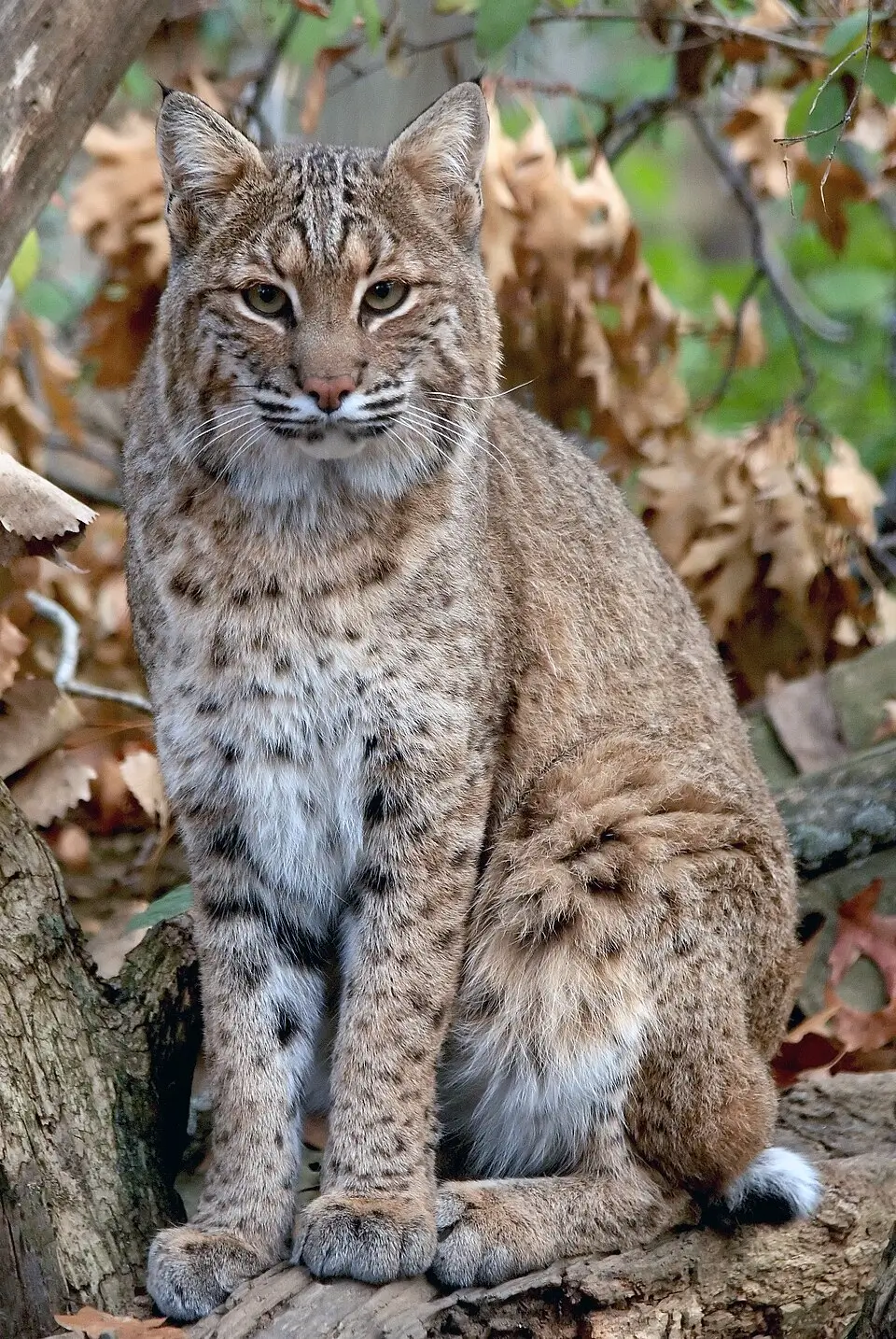
The bobcat is a master of stealth and power, built for a life of solitary hunting. Its appearance is unmistakable: a muscular, compact body covered in fur that ranges from grayish-brown to reddish-brown, marked with distinctive black spots and streaks. The underside is typically lighter, often white. The most defining feature is its tail, which is short—only 4 to 8 inches long—and has a black tip on the upper side but is white underneath.
Its physical adaptations are perfectly suited for predation. Bobcats have long, powerful hind legs that are slightly longer than their front legs, giving them a characteristic sloping gait and exceptional leaping ability. They can pounce on prey from distances of up to 10 feet. Their large paws are equipped with retractable claws, which remain sharp for climbing, grasping prey, and defense. The bobcat's keen senses of sight and hearing are critical for hunting crepuscular (dawn and dusk) and nocturnal prey. They often use elevated perches like rock ledges or fallen logs to scan their territory.
In terms of size, bobcats are about twice as large as a domestic cat. They typically stand 18 to 24 inches at the shoulder and measure 24 to 40 inches in length from nose to tail base. Weight can vary significantly based on geography and sex, with males being larger than females. A typical adult male weighs between 18 to 30 pounds, while females usually weigh between 15 to 25 pounds. Bobcats in northern parts of their range, where prey is larger, tend to be bigger than those in the south.
Their diet is diverse and opportunistic, reflecting their adaptability. Rabbits and hares form the core of their diet in many regions. They are also proficient hunters of rodents such as squirrels, mice, and rats. Depending on local availability, they will prey on birds, deer (primarily fawns or sick individuals), reptiles, and even insects. The bobcat's hunting strategy is typically one of stalk and ambush. It uses cover to approach prey silently before delivering a swift, lethal pounce, often biting the neck or skull.
Bobcats are solitary and territorial animals. A single male's home range may overlap with those of several females, but they generally avoid direct contact except during the breeding season, which occurs from late winter to early spring. After a gestation period of about two months, a female gives birth to a litter of one to six kittens, though two or three is most common. The kittens are born in a secluded den, such as a rock crevice, hollow log, or dense thicket. They are weaned at around two months but stay with the mother for several more months to learn hunting skills before establishing their own territories. The average lifespan of a bobcat in the wild is 10 to 12 years.
Habitat & Range
One of the bobcat's most remarkable traits is its habitat flexibility. It occupies an incredible diversity of ecosystems across the North American continent. Its range extends from southern Canada through most of the contiguous United States and down into northern Mexico. This includes forests—both deciduous and coniferous—swamps, desert scrublands, mountainous regions, and even the edges of suburban areas.
Bobcats are not dependent on pristine wilderness; they are masters of using available cover. They require areas with dense vegetation for stalking prey and shelter, along with rocky outcrops or ledges for denning and resting. In forested regions, they utilize thickets and fallen logs. In desert environments, like those found in Arizona, they are often associated with canyonlands, riparian corridors (areas along rivers and streams), and scrubby brush that provides shade and hunting grounds.
Arizona provides a textbook example of the bobcat's adaptability. The state's dramatic landscape, which ranges from the Sonoran Desert in the south to the ponderosa pine forests of the Colorado Plateau in the north, offers a mosaic of ideal bobcat habitats. They are found throughout the state, from the scrub-covered flats near Phoenix to the rugged mountain ranges like the Superstitions and the Sky Islands of the southeast. The state's 15 counties likely all host resident bobcat populations, showcasing the species' ability to thrive in both arid and semi-arid environments.
Hunting Information
The bobcat has a long history of being a furbearer and game animal across North America. Hunting and trapping seasons for bobcats are established by state and provincial wildlife management agencies to help manage population levels, mitigate conflicts with livestock, and provide sustainable recreational opportunities. Regulations regarding season dates, bag limits, legal methods of take, and licensing requirements vary significantly from state to state and are subject to change.
It is important for any prospective hunter or trapper to consult the most current regulations from their specific state's wildlife agency. For example, in Arizona, the Arizona Game and Fish Department is the authoritative body that sets hunting seasons, draw systems, and licensing requirements. The department manages wildlife based on population data and habitat conditions to ensure healthy and sustainable populations.
Generally, where seasons exist, hunting bobcats is permitted using methods like calling (using electronic or mouth-blown calls that mimic prey or rival sounds), spot-and-stalk, or trapping with specific legal devices. Many states require a hunting license and possibly a separate furbearer license or permit. Reporting harvested animals is often mandatory to assist biologists in monitoring population trends. The pursuit of bobcats requires skill, patience, and a deep understanding of the animal's behavior and habitat.
Conservation
Thanks to its secretive nature and adaptability, the bobcat is currently classified as a species of "Least Concern" by the International Union for Conservation of Nature (IUCN). Its population is considered stable throughout most of its extensive range. This success is a testament to the species' resilience.
However, bobcats face several ongoing challenges. Habitat loss and fragmentation due to urban expansion and agriculture can reduce available territory and prey. Vehicle collisions are a significant source of mortality in many areas. Historically, unregulated hunting and trapping contributed to population declines in some regions, but the implementation of regulated harvest seasons by wildlife agencies has been a key tool for managing populations sustainably. Today, regulated harvest, coupled with scientific management, is generally considered compatible with maintaining healthy bobcat numbers.
Conservation efforts focus on maintaining habitat connectivity, enforcing wildlife laws, and conducting population research. Public education is also crucial to foster coexistence. By securing wild spaces and managing human-wildlife interactions, wildlife managers work to ensure that the haunting call and fleeting glimpse of this ghost cat remain a vibrant part of the North American landscape for generations to come. In states like Arizona, protecting riparian areas and managing desert ecosystems are vital components of conserving not just bobcats, but the entire web of wildlife that depends on these habitats.
Frequently Asked Questions
Where can I find Bobcat?
Check the official agency website for current information.
When is the hunting season for Bobcat?
Check official regulations for current season dates.
Do I need a license for hunting Bobcat?
Check your state agency for license requirements.
When is Bobcat hunting season in Arizona?
Check Arizona's official agency for current season dates.