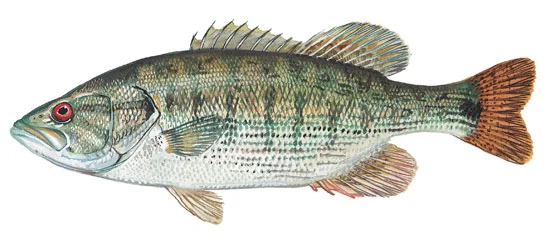
The redeye bass is a truly unique and interesting species. Its entire range is limited to Alabama, Georgia and small areas of Tennessee and South Carolina. Ongoing research indicates the fish in South Carolina and parts of Georgia is actually a separate, not yet described species, sometimes referred to as Bartram's bass. Whether redeye or Bartram's bass, the species is a top predator in the streams where it occurs and offers exciting angling opportunities in some of South Carolina's most beautiful settings. The redeye does hybridize with smallmouth and spotted bass where they coexist. Offspring typically possess physical characteristics of both parents. The spread of these introduced species—smallmouth, spotted bass and their hybrids-pose a significant threat to redeye bass throughout its range in South Carolina.
Range: Located in the northwestern parts of the state, primarily in the Savannah River basin—including lakes Jocassee, Keowee, Hartwell and Russell. It is also present in some tributaries of the upper Saluda and the Broad rivers in the Santee basin.
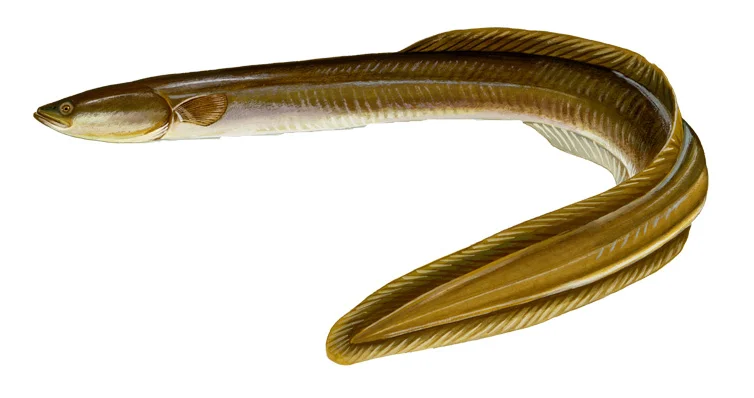
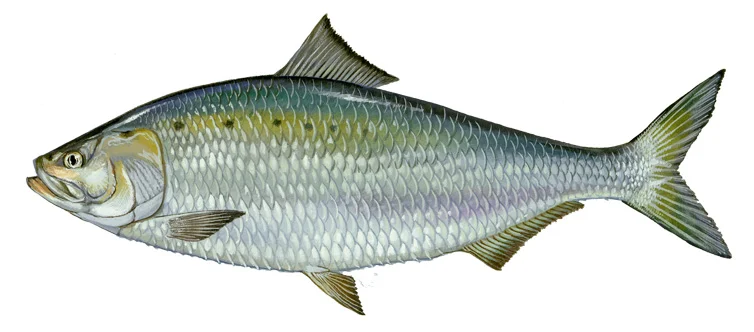
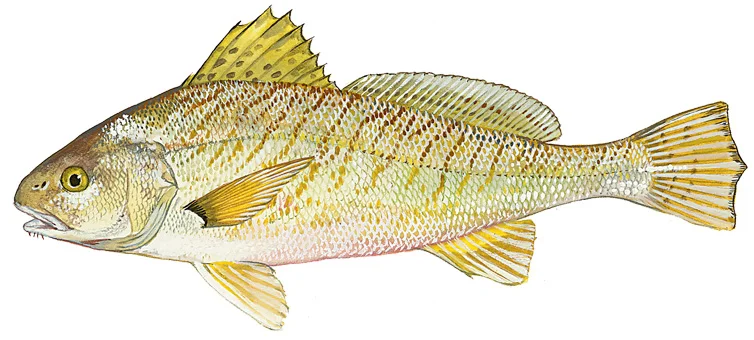
Commonly Mistaken Species: Some species of fish that are commonly mistaken for this species:
Largemouth bass Smallmouth bass Spotted bass
Habitat & Range
Redeye bass occur naturally in rivers and streams with a lot of structure such as undercut banks, vegetation, boulders and submerged logs. They seem to prefer rocky areas with at least moderate current. Redeye can also be found in several upstate South Carolina reservoirs.
Life History
Spawning: - Redeye bass spawn when water temperatures are between 62 and 68°F, usually from May to early June.
- At this time, redeye males who have reached sexual maturity at three or four years of age begin constructing a nest over coarse gravel for the female redeye to deposit between 2,000 and 3,000 eggs.
- The eggs are maintained and guarded by the male throughout incubation and development of the fry.
Diet: - Redeye predominantly eat terrestrial insects but will also eat aquatic insects, crayfish, salamanders and small fishes.
Frequently Asked Questions
Size
6-9 inches 6 ounces in streams and 1 pound in lakes; rarely exceeds 2 pounds
Lifespan
: Approximately 10 years
State Record
: 5-pounds, 2.5-ounces (2001)