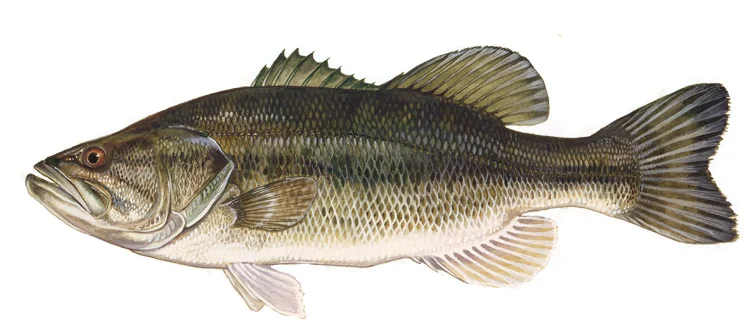
The largemouth bass is one of the most important freshwater sport fish in South Carolina. More time and money are spent in the pursuit of this fish by anglers than any other species. In addition to being an important sport fish, the largemouth bass is an important part of the ecological balance of fish populations. In farm ponds where they are stocked with bluegill and redear sunfish, the largemouth bass are responsible for controlling the bream population through predation. In large impoundments, they serve a similar but different function in preying on shad populations. The largemouth bass is the dominant predator in many of South Carolina's fish populations.
Range: Statewide in all warmwater habitats
Commonly Mistaken Species: Some species of fish that are commonly mistaken for this species:
Smallmouth bass Spotted bass
Habitat & Range
Largemouth bass can be found in slow-moving streams, pools of large rivers, natural lakes and all sizes of man-made impoundments.
Largemouth bass prefer warm, moderately clear water that has no appreciable current.
Life History
Spawning: - Spawning usually begins when water temperatures range between 65 - 75°F, around April to June.
- The male largemouth bass constructs a saucer-shaped nest at a depth of 2 to 10 feet. One or more females will deposit 5,000 to 150,000 eggs over the nest while the male fertilizes them.
- The eggs are guarded and fanned by the male until they hatch in 3 to 4 days. The male continues to guard the fry until they disperse several weeks after hatching.
Diet: - Newly-hatched bass feed on zooplankton, switching first to insects and then to larval and juvenile fish as they grow.
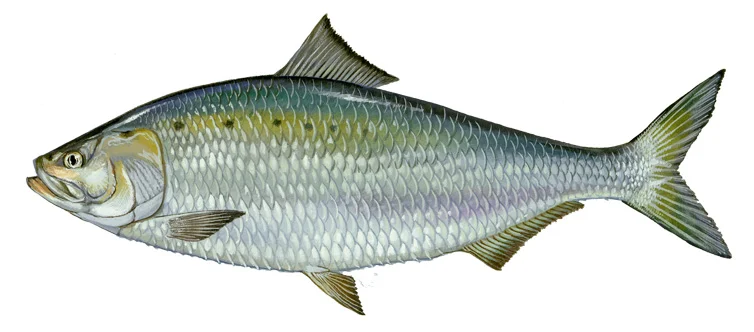
- Adult largemouth bass primarily consume other fish. In a large impoundment, the major prey species include threadfin and gizzard shad, while in small impoundments sunfish will predominate in the diet.
- Basically, the largemouth bass will consume any organism that opportunity allows.
Frequently Asked Questions
Size
4 - 25 inches 1-3 pounds, eight-pound individuals are not uncommon
Lifespan
: Approximately 23 years
State Record
: 16 pounds 2 ounces (1949)