Unlike other shad and herring species, hickory shad are not used as food for humans. Little is known about the status of South Carolina's hickory shad population.
Range: It occurs sporadically in the lower parts of coastal rivers, primarily in the Pee Dee, lower Santee, Cooper and Savannah. Recently this species has been collected in Lake Hartwell on the Georgia-South Carolina border, present there presumably as a result of angler introduction.
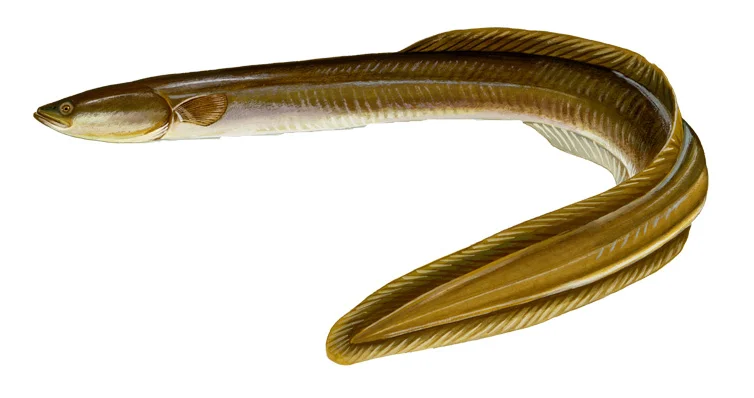
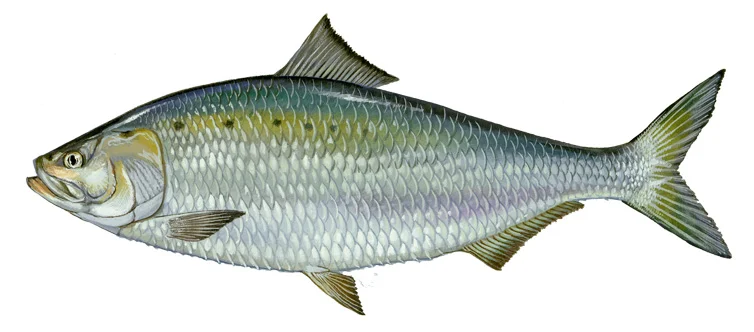
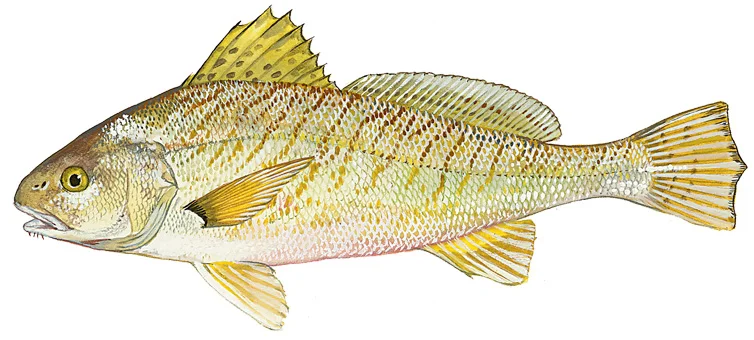
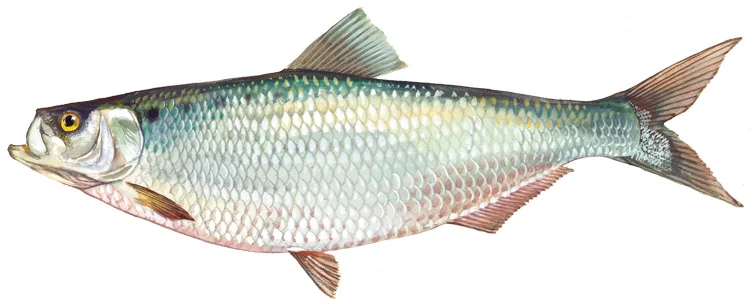
Commonly Mistaken Species: Some species of fish which are commonly mistaken for this species:
American shad Blueback herring Alewife
Habitat & Range
Atlantic Ocean, but migrates up freshwater rivers to spawn in the Coastal Plain.
Life History
Spawning: - Hickory shad spawn in tidal fresh waters such as creeks, flooded swamps, sloughs and other backwater tributaries to a main channel from February to early March.
- A six year old females can contain more than 300,000 eggs. After hatching, the young fry remain in freshwater and move towards higher salinity waters by fall.
Diet: - Fish, small crabs, aquatic insects, squid and fish eggs.
Frequently Asked Questions
Size
14-24 inches 4 pounds
Lifespan
Approximately 6 years