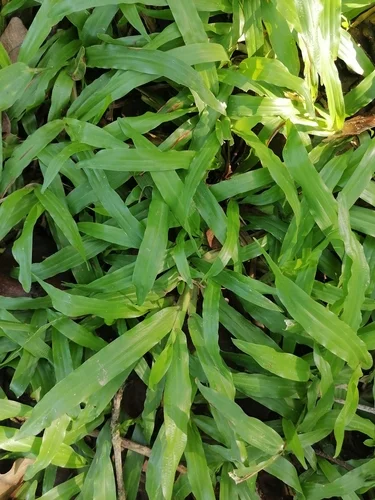
Grass carp are native to eastern Asia, but were introduced in the United State in 1963 first in Alabama and Arkansas. This non-native fish now occurs in 35 states. Grass carp were introduced to help control nuisance or invasive aquatic vegetation. Large grass carp can consume many pounds of aquatic vegetation in a day. However, due to their rapid growth rate, voracious appetite and high reproduction rates, fisheries managers who introduced the species realized they could have adverse impact on native fish and plant species. Therefore, they mandated only sterile triploids could be introduced. A permit is required from the South Carolina Department of Natural Resources to sell, buy, or posses any grass carp even sterile triploids. In the permitting process, SCDNR certifies the grass carp hybrids have been tested and determined to be sterile.
Range: Scattered within the Pee Dee to the Savannah River, mostly in the Coastal Plain. Not native to South Carolina.
Commonly Mistaken Species: Some species of fish that are commonly mistaken for this species are:
Common carp Difference Between Common Carp and the Stocked Triploid Grass Carp ( PDF )(file size 3mb)
Habitat & Range
Grass carp prefer quiet or slow-moving water in ponds, lakes, pools and backwaters of large rivers.
Life History
Spawning: - Grass carp introduced here are tested to be sterile triploids and thus cannot reproduce, but they can commonly be found over shoals where they typically would lay and fertilize eggs.
Diet: - Young grass carp eat small invertebrates and microcrustaceans. As they become adults, they become predominantly herbivores feeding voraciously on aquatic plant species.
Frequently Asked Questions
Size
2-3 feet 3-15 pounds, may exceed 40 pounds
Lifespan
Unknown
State Record
: Unknown