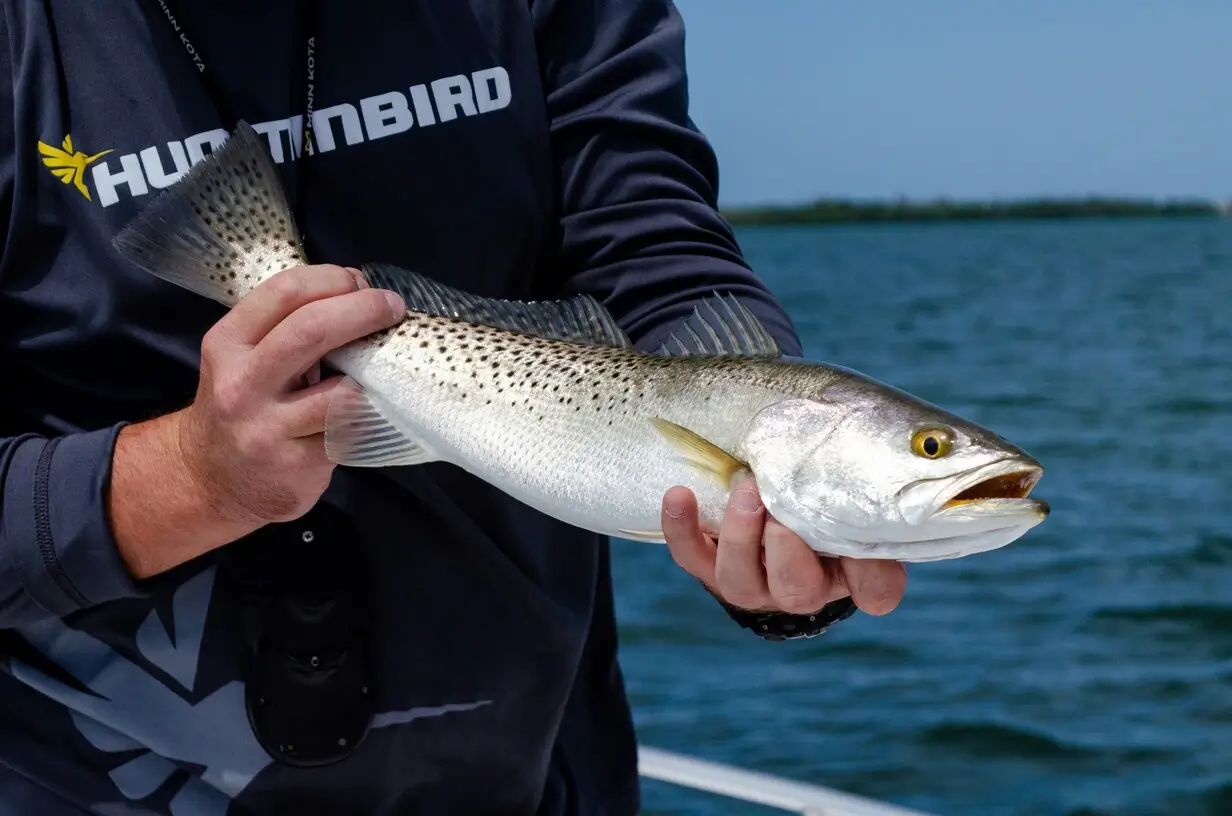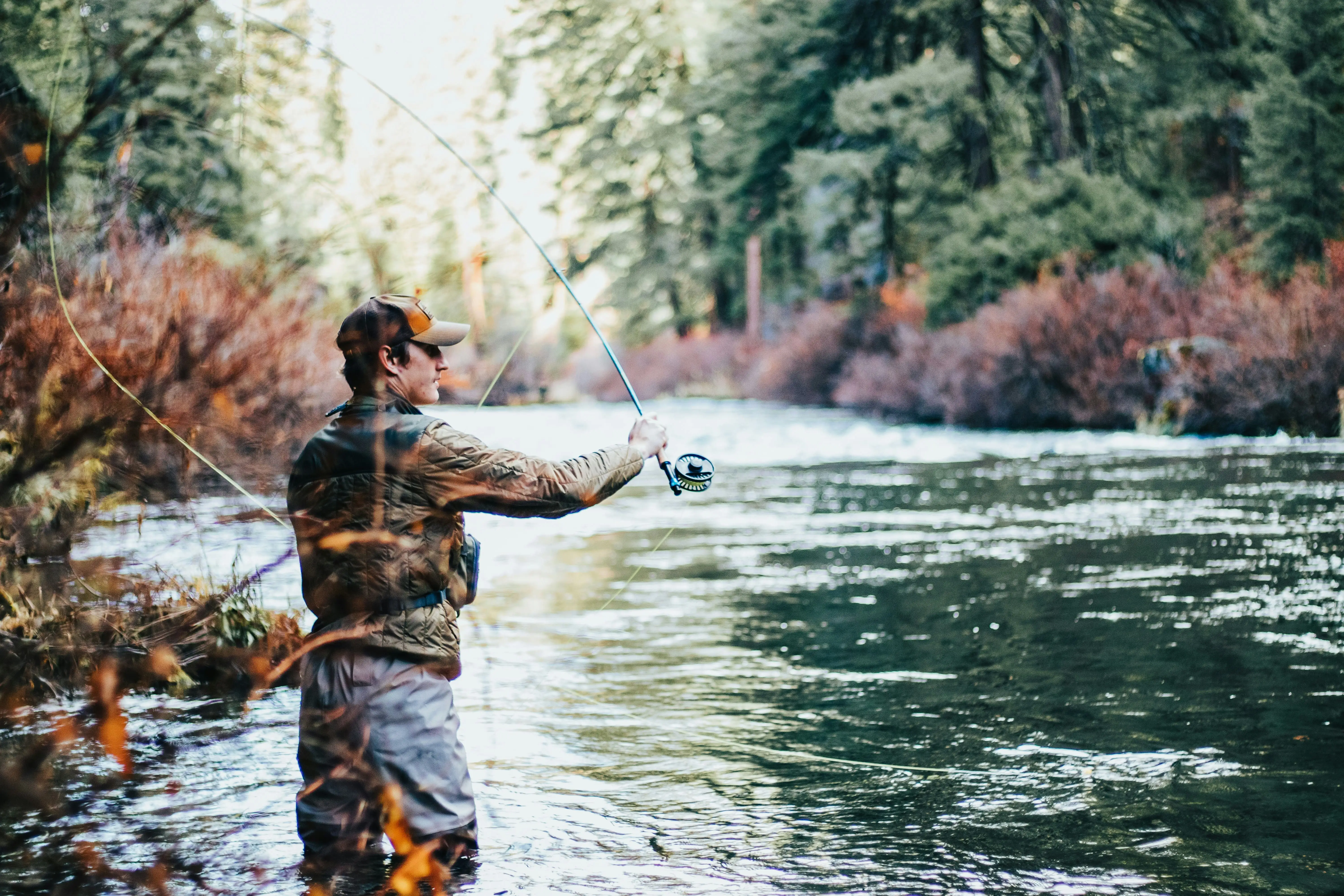
There's a moment every new angler knows well — standing in a fishing shop, surrounded by walls of rods, reels, and rows of colorful lures, feeling completely overwhelmed. Where do you even begin? Which rod is right? What line? What bait? The world of fishing can appear dauntingly complex from the outside, especially with the sheer volume of advice available online, much of which assumes you already understand the terminology.
The truth is that fishing, at its core, is straightforward: you put a bait or lure in the water, bring it back toward you, and hope something takes it on the way. Every other skill builds on that foundation gradually. This guide distills the most practical, widely agreed-upon wisdom for complete beginners — covering gear, technique, mindset, and how to put it all together to start catching fish.
Start With One Species
Before buying a single piece of gear, decide what you want to catch. This single decision shapes everything else — the rod weight, the line strength, the lure type, the location, and even the time of day you'll fish. Fishing is highly site-specific, and the species available to you depend entirely on where you live and what bodies of water are nearby.
Once you've identified a target species, focus on learning everything you can about it: where it tends to hold in a body of water, what it naturally feeds on, what time of year and time of day it's most active, and what rigs or presentations are most effective. Spreading your attention across multiple species at once as a beginner dilutes your learning. Going deep on one builds confidence and skills that transfer naturally to everything else later.
Key Insight: Research your local fish populations before purchasing anything. A quick conversation with a local bait shop — describing where you plan to fish — will tell you exactly which species are present, what they're eating right now, and what setup actually works in that specific water.
Your First Setup: Keep It Simple
The fishing tackle industry is very good at making gear appear essential. Most of it isn't, especially when you're starting out. The priority at the beginning is not to own optimal gear — it's to own gear you understand and can use confidently.
A medium-action spinning rod in the 6'6"–7'0" range is the most versatile starting point for freshwater fishing. Medium action bends in the middle third, balancing casting distance and sensitivity. It handles most freshwater presentations competently without specializing in any one technique.
Pair it with a spinning reel. Spinning reels mount underneath the rod, are user-friendly, and forgive casting errors far better than baitcasting reels. Baitcasters require precise tuning to lure weight and produce tangled "bird's nests" when that tuning is off. They're excellent tools — but not for beginners.
Spool the reel with 8 to 12-pound monofilament line. Monofilament is the most beginner-friendly line type: easy to tie knots in, easy to work with, and widely available. Braided line offers strength and sensitivity but is harder to spool and more visible. Fluorocarbon is nearly invisible underwater but very difficult to spool evenly. Start with mono.
A small selection of snap swivels is genuinely useful for beginners. You tie the swivel to your line once and can then change lures quickly without re-tying knots every time — a real frustration reducer while you're still building knot confidence in the field.
Pro Tip: You will catch far more fish fishing a modest setup twenty times than an expensive one twice. Confidence with your equipment — knowing how it feels, how it casts, what feedback it gives — matters more than its price tag, especially in the first season.
Lures for Beginners: The Honest Short List
The lure selection in any fishing shop is designed to sell lures, not necessarily to help you catch fish. The following three types are consistently recommended for beginners because they're simple to fish correctly, effective across multiple species, and forgiving of technique errors.
The most reliably all-purpose beginner lure. Cast out, let sink briefly, then retrieve steadily. A rotating metal blade creates flash and vibration that mimics a fleeing baitfish. The treble hook means fish often hook themselves on the strike. Vary retrieval speed and depth to cover more of the water column.
Same cast-and-retrieve principle, different action. A spoon flutters and wobbles during retrieval, mimicking a wounded baitfish. Gold and silver spoons work across a wide range of species and light conditions. No complex technique required — just cast and reel.
Hard-bodied lures that swim to a specific depth during retrieval — the packaging specifies how deep. Floating crankbaits are the most beginner-friendly. Cast out, reel back at a steady pace, and occasionally flick the rod tip to make the lure dart. Varying speed prevents the presentation from becoming predictable.
Once the above feel comfortable, this is the natural progression. A soft plastic worm, creature bait, or shad is threaded onto a wide-gap hook with the hook point buried in the plastic, making it weedless. Cast out, let it sink, then hop it along the bottom by lifting the rod tip. Extraordinarily effective for bass and a wide range of other species — and far cheaper per lure than hard baits.
Pro Tip: Pay attention to which lure colors have empty pegs in the tackle shop. Local anglers have already tested what works on nearby water — those gaps in the display are a reliable signal of what's actually catching fish right now.
The One Skill Worth Practicing at Home: Knots
Everything between you and a fish runs through your knot. A lure that sails away because a knot failed takes your confidence with it. The good news is that two knots cover almost every situation a beginner will encounter, and both can be practiced at home with a piece of string and a spare hook — long before you're standing on a cold, wet bank.
Thread the line through the hook eye, wrap the tag end around the main line five or six times, pass it back through the loop near the eye, then through the large loop you've just created. Moisten it, pull both ends tight, trim the tag end. Done correctly, this knot retains roughly 95% of the line's breaking strength and handles the vast majority of freshwater situations.
Slightly more versatile — it works for attaching hooks, joining two lines, and connecting a leader to main line. Thread through the hook eye, fold the tag end back alongside the main line, and wrap the tag end around both strands six times before passing it through the loop. Moisten and draw tight.
Key Insight: Always wet a knot before pulling it tight. The friction of a dry cinch generates heat that significantly weakens monofilament and fluorocarbon. Also retie your hook at the start of every session — line at the connection point weakens with UV exposure and wear, and what held perfectly last trip may fail under load today.
Reading the Water: Where Fish Actually Are
Finding fish matters more than any lure selection. Ninety percent of the fish in any body of water occupy roughly ten percent of it at any given time. That ten percent consists of structure — features that break up an otherwise uniform environment and give fish what they need: shelter, ambush opportunities, oxygenated water, and proximity to food.
In lakes and ponds, the most productive locations are drop-offs (where shallow water suddenly becomes deep), submerged timber and brush piles, weed edges, docks, rocky points, and any inlet where oxygenated water enters. In rivers and streams, fish concentrate at seams — the boundary between fast current and slower water — behind large rocks creating current breaks, in deep pools below rapids, and under undercut banks. Fish expend as little energy as possible; they position themselves where food comes to them, not where they have to chase it.
Two Habits That Immediately Improve Catch Rates
- Fish your feet first. Before launching a long cast, work the water immediately around you. Fish, especially bass, often hold very close to shore in shaded areas or near any form of cover. Many anglers spook them by walking noisily to the water's edge before ever casting.
- Fan your casts. Don't repeatedly cast to the same spot. Cover water systematically in an arc before moving on. If a spot produces, stay. If nothing happens after thoroughly covering the area, move — even thirty yards can make an enormous difference on a lake where depth, temperature, and bottom composition shift.
Pro Tip: Before you cast at a new spot, spend a few minutes observing. Look for surface activity, baitfish ripples, feeding birds on the banks, and visible structure. The fish you locate by eye will save you hours of blind casting into empty water.
Common Frustrations (and What to Do About Them)
Every beginner hits the same walls. Knowing what to expect — and what actually works — shortens the learning curve considerably.
It happens constantly when fishing around structure — which is exactly where the fish are. When snagged underwater, move 20 to 30 yards left or right and try pulling from a different angle before giving up. Grab the line itself above the rod tip to pull hard without damaging the rod. If it won't release, pull steadily until the line snaps at the lure. Losing a lure beats leaving 40 yards of fishing line polluting the water.
Change something — completely, not slightly. Change lure color, lure type, depth, or location. Fish respond to variables you can't fully control: water temperature, barometric pressure, light levels, and recent feeding history. The angler who adapts freely and experiments keeps learning; the one who doubles down on a non-productive approach compounds frustration. If a lure isn't working, it may simply be the wrong color, depth, or speed for that specific day.
Check your drag before you start fishing. The drag allows line to slip under pressure, preventing breakoffs when a fish runs hard. It should yield steadily when pulled firmly by hand — not locked tight, not slipping immediately. Set it before you start, not when a fish is already running. A drag that's too tight snaps line; a drag too loose lets a fish run forever without tiring.
Key Insight: Do a quick visual check of your rod setup before every cast — look for line looping out of the reel, line wrapped around the rod tip, or anything that's changed from how you set it up. Small problems caught early prevent the 20-minute bird's-nest untangling sessions that eat up fishing time and patience.
Start Small, Progress Gradually
Smaller, more accessible water teaches more, faster. Neighborhood ponds, small lakes, and accessible river stretches offer fish that are more predictable and easier to locate than those in large, complex systems. Catching smaller species — panfish like bluegill and crappie — on light tackle is a genuinely enjoyable way to build casting accuracy, knot confidence, fish-handling skills, and pattern recognition. None of those skills are wasted when you move on to larger, more challenging species.
Gear confidence comes with time. Starting with modest, functional equipment and mastering it will teach far more than starting with expensive gear you don't fully understand. Every session on the water — even ones where nothing is caught — adds something: a better sense of the water, a clearer understanding of how a lure moves, a knot tied under pressure. The learning doesn't stop when the fish stop biting. In many ways, that's when it begins.
Pro Tip: Use slow sessions to improve the basics. Practice casting sideways, backhand, and underhand — so that when the perfect spot requires threading a lure under an overhanging branch or dock, the cast is already in your muscle memory.
The Quiet Part of Fishing
Catching fish is the exciting part, but it's not the only part. Experienced anglers often describe long stretches of empty days — hours on the water without a single bite — not with frustration but with a certain appreciation. Being on the water is its own reward. The skill and patience required to read a body of water, understand fish behavior, and adapt on the fly is a craft developed slowly, over many trips. No guide can replace that accumulated experience.
The most honest advice for any beginner is also the simplest: get your line in the water as often as you can. Ask questions when you see other anglers. Visit local bait shops — the people who work there fish constantly and know exactly what's working right now in the water near you. Be patient with yourself. And when nothing is working, try something completely different.
The fish will follow.