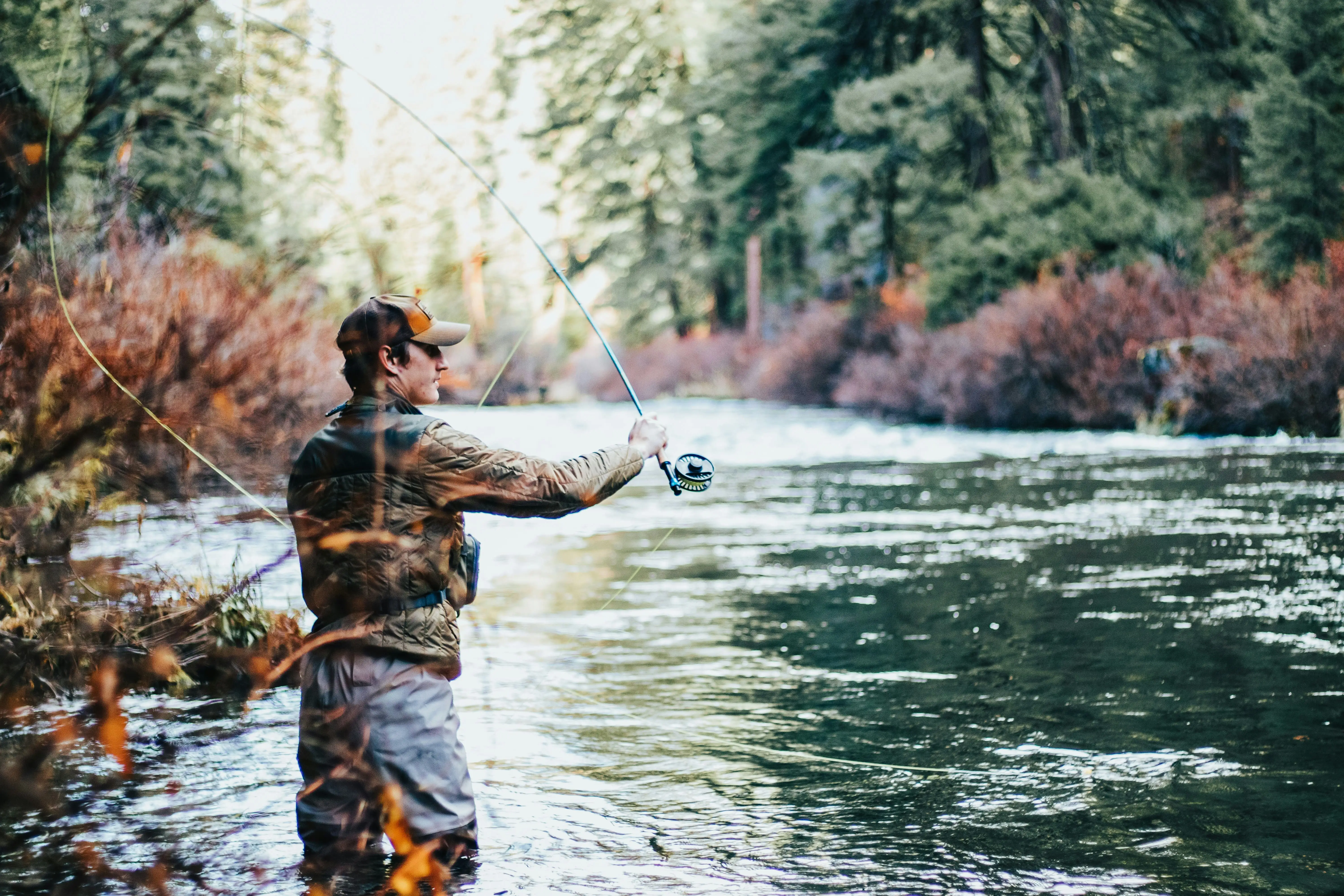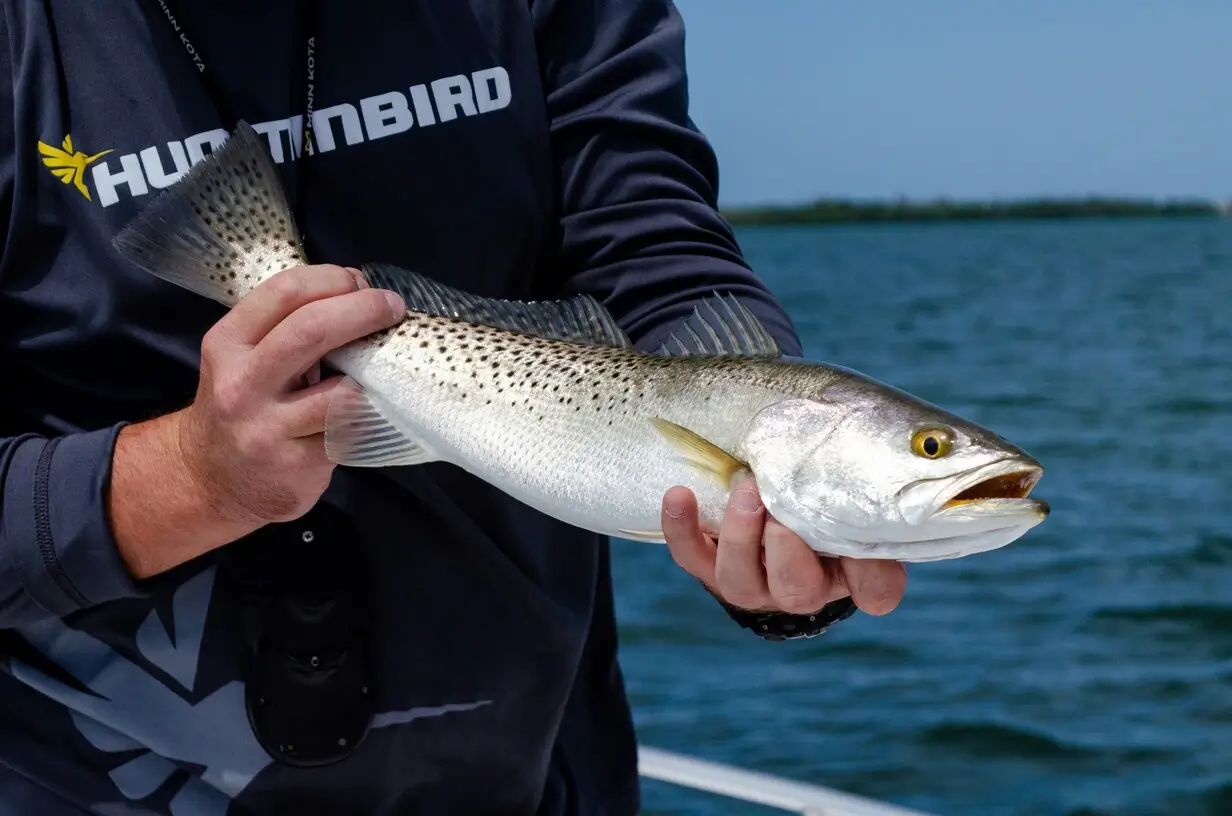
Fishing is one of the oldest and most universally practiced outdoor pursuits in the world. Yet for someone picking up a rod for the first time, the sheer variety of gear, terminology, and techniques can feel genuinely overwhelming. This guide distills the essential knowledge every beginner needs — covering gear, bait, technique, and the mindset that separates an enjoyable day on the water from a frustrating one.
Start With a Question, Not a Purchase
The single most important thing a new angler can do before spending a dollar is ask themselves a few foundational questions: What do I want to catch? Where will I be fishing — a freshwater lake, a river, the coast? Am I fishing from shore or from a boat?
These questions matter because fishing is not a one-size-fits-all activity. The gear suited for catching bass in a calm lake is quite different from what you'd use for saltwater fishing near a pier. Once you know the answers, everything else — the rod, the reel, the line, the bait — falls into place more logically. Starting with a location and a target species is far more productive than starting with a shopping cart.
Understanding the Basic Gear
Rods
A fishing rod's main job is to cast your line out and help you feel what's happening at the other end. Rods are described by three key characteristics: length, action, and power.
Length affects how far you can cast and how much control you have. A rod between 6 and 7 feet is a solid all-purpose starting length for most freshwater situations. Action describes where the rod bends under pressure — fast-action rods bend near the tip and are highly sensitive, while medium-action rods bend in the middle third and suit a wider range of techniques. Power refers to how much force is needed to bend the rod. For beginners fishing freshwater lakes, a medium or medium-light power rod with medium action is a forgiving and versatile combination.
Reels
Mounted below the rod. Easiest to learn, handles light lines well, and is forgiving of casting errors. The top recommendation for beginners.
Push-button operation with the line enclosed in a nose cone. Extremely simple to use — ideal for children or complete first-timers, though limited in range and accuracy.
Sits on top of the rod. Excellent accuracy and power, but a steep learning curve. Best approached once the basics are firmly established.
Beginner Recommendation: For most freshwater situations, a spinning rod-and-reel combo is the best starting setup. It handles a wide range of fish sizes, forgives casting mistakes, and requires the least technique to operate effectively.
Choosing Your Fishing Line
Line choice is often underestimated by beginners, but it plays a meaningful role in how fish behave around your bait and how successfully you can set the hook.
Monofilament line is the most beginner-friendly option. It's affordable, easy to tie knots with, has some stretch that can work in your favor when fighting a fish, and is available everywhere. For freshwater lake fishing, 6–10 lb test monofilament covers a wide range of situations. Braided line has no stretch and exceptional sensitivity — you can feel every tap and nibble — but it's more visible in the water and less forgiving to work with. Fluorocarbon line is nearly invisible underwater, making it ideal as a short leader between your main line and hook. Fish are far less likely to see it and shy away.
For a beginner on a budget, starting with monofilament and gradually experimenting with other line types as experience grows is the most practical approach.
Bait vs. Lures: Real vs. Artificial
Live and Natural Bait
Live bait — worms, minnows, insects, crawfish — produces results across a huge range of fish species because it looks, moves, and smells exactly like what fish eat naturally. For shore fishing in lakes, a simple setup with a hook, a small split-shot weight, a bobber, and a worm is one of the most effective and time-tested rigs ever devised. It's also extremely easy to use.
Artificial Lures
Artificial lures replicate the appearance and movement of baitfish, insects, or other prey. Spinners flash and vibrate during retrieval; soft plastics mimic real creatures; crankbaits dive and wobble; topwater lures skitter across the surface, often producing exciting visual strikes. Lures require more active fishing technique — you need to retrieve them in a way that makes them look alive — but once you understand how different lures behave, they become incredibly effective tools.
Practical Strategy: Learn your local water with live bait first to understand where the fish are holding and what they're doing. Then begin experimenting with lures. This sequence dramatically shortens the learning curve for both approaches.
Reading the Water
Finding fish is arguably more important than any piece of gear you own. Fish are not distributed randomly throughout a body of water — they relate to structure, temperature, oxygen levels, and food sources in predictable ways.
In lakes, fish tend to congregate around structure: underwater ledges, submerged trees or brush, docks, weed beds, and rocky points. These spots provide cover from predators and ambush points for feeding. Early morning and late evening are typically the most productive times to fish, as many species are more active in lower light conditions.
Paying attention to the water itself teaches you far more than any chart or guide. Watch where birds are diving, notice surface ripples that suggest baitfish activity, and observe how the wind affects where fish might be stacked. Experienced anglers develop an intuition for the water over time — and it all starts with observation.
Knots: The Skill That Actually Matters
A strong cast and good bait mean nothing if your knot fails when a fish pulls hard. Two basic knots will cover the vast majority of beginner situations.
- The Improved Clinch Knot — the standard knot for attaching a hook, lure, or swivel to your line. Thread the line through the hook eye, wrap it around the main line five or six times, pass the tag end back through the loop near the eye and through the large loop created. Moisten and pull tight. Reliable and quick to tie once practiced.
- The Palomar Knot — arguably stronger and only slightly more complex. Double about six inches of line, pass the loop through the hook eye, tie a loose overhand knot with the doubled line, then pass the hook through the loop and tighten. Many experienced anglers consider this the most reliable knot for everyday use.
Practice at Home: Tie both knots repeatedly away from the water until they're automatic. You don't want to be fumbling with unfamiliar knots when conditions are cold, windy, or the fish are actively biting.
Catch & Release: Doing It Right
For anglers who practice catch and release, technique matters. A fish that is handled poorly may not survive even after being returned to the water.
Keep the fish in the water as much as possible. If you need to handle it, wet your hands first — dry hands strip the protective mucus coating from the fish's scales. Minimize time out of water, support its body weight horizontally rather than hanging it vertically by the lip, and remove the hook quickly and gently. When releasing, hold the fish upright in the water until it swims away under its own power.
- Wet your hands before touching any fish
- Keep air exposure to under 30 seconds for most species
- Support large fish horizontally — never dangle by the jaw
- If deeply hooked, cut the line close rather than tearing out the hook
- Use barbless hooks or crimp barbs to make removal faster and less traumatic
- Hold the fish facing into current until it kicks free on its own
The Right Mindset
Fishing rewards patience and curiosity more than expensive gear. A well-maintained modest rod in the hands of someone who understands local conditions and fish behavior will consistently outperform the most expensive setup wielded without knowledge. The learning curve is real, but it's also genuinely enjoyable — every trip teaches you something new about the water, the fish, and your own technique.
Go light. Go simple. Learn your local water. And don't be afraid to ask experienced anglers what's working — fishing culture, at its best, is wonderfully generous with knowledge.
Whether you're casting into a quiet neighborhood pond or planning your first trip to a mountain lake, the fundamentals here will give you a solid foundation. The rest comes from time on the water — and there's no substitute for that.