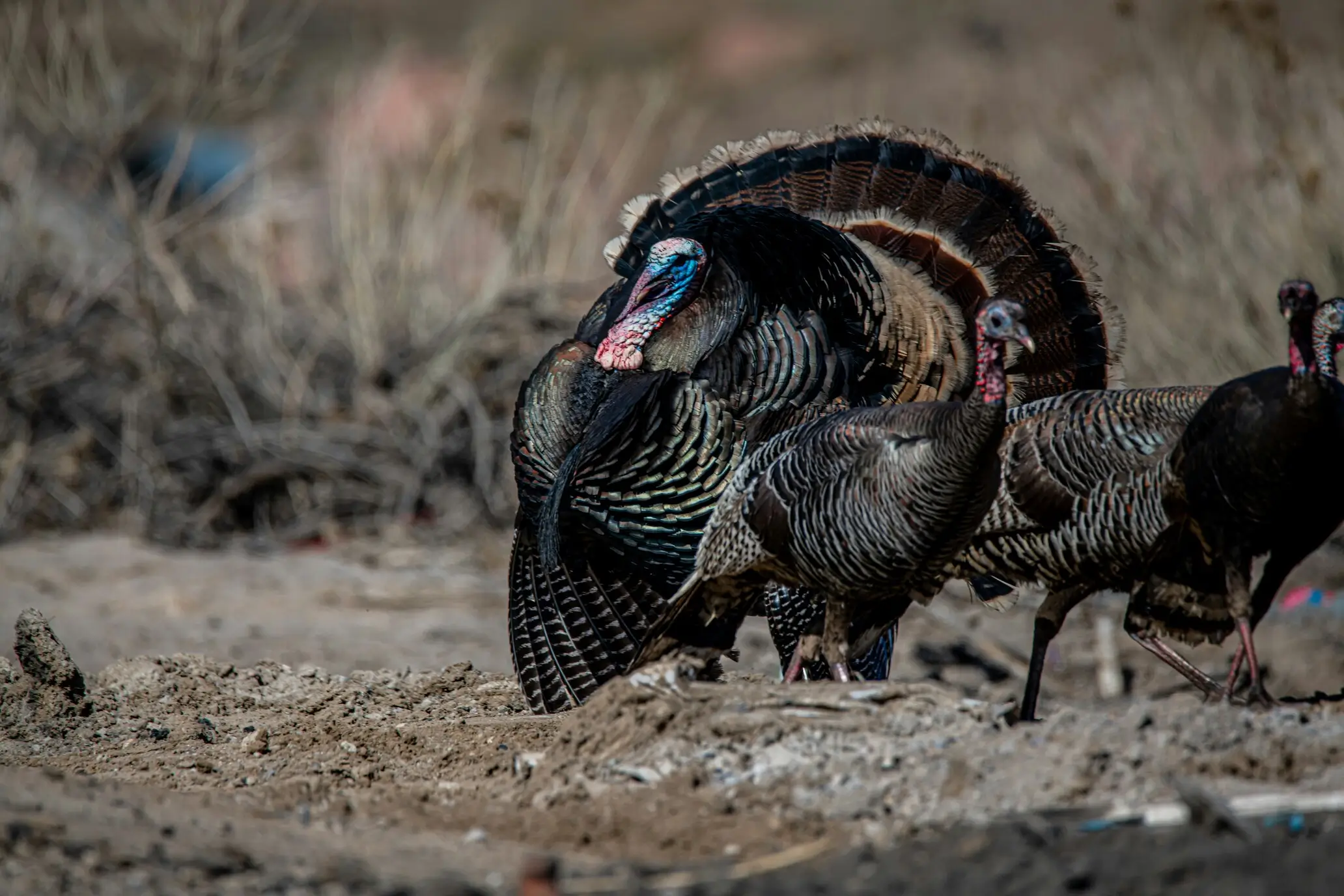
Overview: Why Cook Turkey Outdoors?
Cooking turkey outdoors is not just a workaround for a crowded kitchen — it is, in many cases, the superior choice. Open flames and high heat create conditions that an indoor oven simply cannot replicate: the searing dry heat of hot peanut oil that crisps skin in minutes, or the complex, layered smoke of a wood-fired stone oven that perfumes a stuffed bird over hours. Both methods produce results that draw people outside in the cold just to watch.
The two outdoor methods covered here could not be more different in pace, equipment, and character. Deep-frying is fast, dramatic, and technically demanding — a 10-pound bird fully cooked in 35 minutes with skin that shatters like glass. Wood-fired roasting is slow, ceremonial, and deeply aromatic — a whole stuffed turkey cooked low and steady until it's tender enough to pull apart by hand.
Method Comparison
| Deep-Fried Turkey | Wood-Fired Roast | |
|---|---|---|
| Cook Time | ~35 min for 10 lb | Several hours, low and slow |
| Skin Result | Shatteringly crispy | Glazed, aromatic, lacquered |
| Flavor Profile | Clean, juicy; seasoned crust | Smoky, spiced, deep |
| Stuffing | Not possible | Full vegetable and herb stuffing |
| Best For | Speed, crispy skin | Celebrations, large groups |
Method One: Outdoor Deep-Fried Turkey
Deep-frying a whole turkey is one of the most satisfying things you can do with a bird. The result — crackling amber skin, extraordinarily juicy meat, and a cook time that fits easily before the rest of the meal is ready — is difficult to argue with. But it is also a method that demands respect. Done carefully, it is perfectly safe. Done carelessly, it can cause serious injury.
- Choose the right location. Set up the turkey fryer on a flat, non-combustible surface — a concrete driveway or stone patio. Never use on a wooden deck or in a garage.
- Measure the oil level precisely. Place the turkey in the basket, fill with water until covered, mark the waterline, then drain. This prevents the most common disaster — overflow.
- Dry the turkey completely. Pat every surface dry using paper towels — inside the cavity, under the wings, everywhere. Even a small amount of moisture can cause violent oil spattering.
- Heat the oil and season the turkey. Heat peanut oil to 350°F. Season the turkey with Cajun butter injection and dry seasoning.
- Lower the turkey safely — flame OFF first. Turn the propane flame completely off before lowering the turkey into the oil. This is non-negotiable. Once settled, turn the flame back on.
- Fry, probe, and rest. Cook at 3–4 minutes per pound. Check internal temperature: 165°F in the breast, 175°F in the thigh. Rest 15–20 minutes before carving.
Safety Rule: Flame OFF before the turkey goes in. Flame OFF before the turkey comes out. No exceptions.
Method Two: Wood-Fired Stuffed Turkey in a Stone Oven
If deep-frying is about speed and crunch, wood-fired roasting is about depth and ceremony. A whole turkey stuffed with an aromatic vegetable and herb bread filling, glazed with spiced butter, then wrapped in parchment and foil and placed in a stone oven — this is cooking as occasion. The smoke permeates the meat, the stuffing absorbs every drip of rendered turkey fat, and when you unwrap the bird at the table, the smell alone is an event.
- Clean and prep the turkey. Remove leg ends, score the drumstick skin, singe pin feathers with a blowtorch, and pat completely dry.
- Make the spiced butter glaze. Melt butter, bloom turmeric and paprika in ghee, combine, and coat the entire turkey — working it under any loose skin around the breast.
- Build the stuffing. Fry garlic, add onion and carrot, stir in corn and green beans, fold in cubed bread toasted in the fat, then bind with scrambled eggs.
- Stuff and wrap the bird. Pack the cavity with stuffing. Wrap first in parchment, then in heavy-duty foil, crimping all edges closed.
- Fire the oven and roast low and slow. Allow the wood oven to reach a stable temperature. Roast until 165°F in the breast and 175°F in the thigh.
- Unwrap, carve, and serve. Rest 20 minutes before carving. Scoop the stuffing and serve alongside mashed potatoes and braised greens.
Pro Tip: Bake flatbread on the stone oven hearth while the turkey rests. The residual heat is perfect for bread, and fresh-baked bread to soak up the turkey juices turns a meal into a memory.
Indoor Oven vs. Outdoor Cooking: What Changes
The most obvious difference is control. A conventional oven holds temperature within a few degrees. A propane fryer requires attention to the gauge. A wood-fired stone oven demands experience managing a live fire — adding wood, managing airflow, and reading the heat through feel and observation rather than a dial.
Outdoors, weather becomes a variable that simply doesn't exist indoors. Cold temperatures slow oil recovery in deep frying and extend roasting time in a wood oven. Wind accelerates heat loss. Plan for these variables: start earlier than you think necessary, keep extra wood dry and close at hand, and use a reliable thermometer rather than relying on time estimates alone.
Safety Checklist & Universal Tips
Both outdoor methods share non-negotiable best practices. Dry the turkey completely before it meets any heat source. Season generously regardless of method. Never leave either setup unattended — a propane fryer at 350°F and a wood fire are both capable of changing quickly.
Keep your thermometer within reach at all times and treat the target internal temperatures — 165°F in the breast, 175°F in the thigh — as absolutes. Finally, rest the bird. A turkey carved immediately loses its juices to the board. A turkey rested for 20–30 minutes carves cleanly, stays moist, and tastes better. The wait is always worth it.
Safety Reminder: For deep frying — heavy rubber gloves, leather apron, flame off before lowering or raising the bird, fire extinguisher nearby. These are not suggestions.