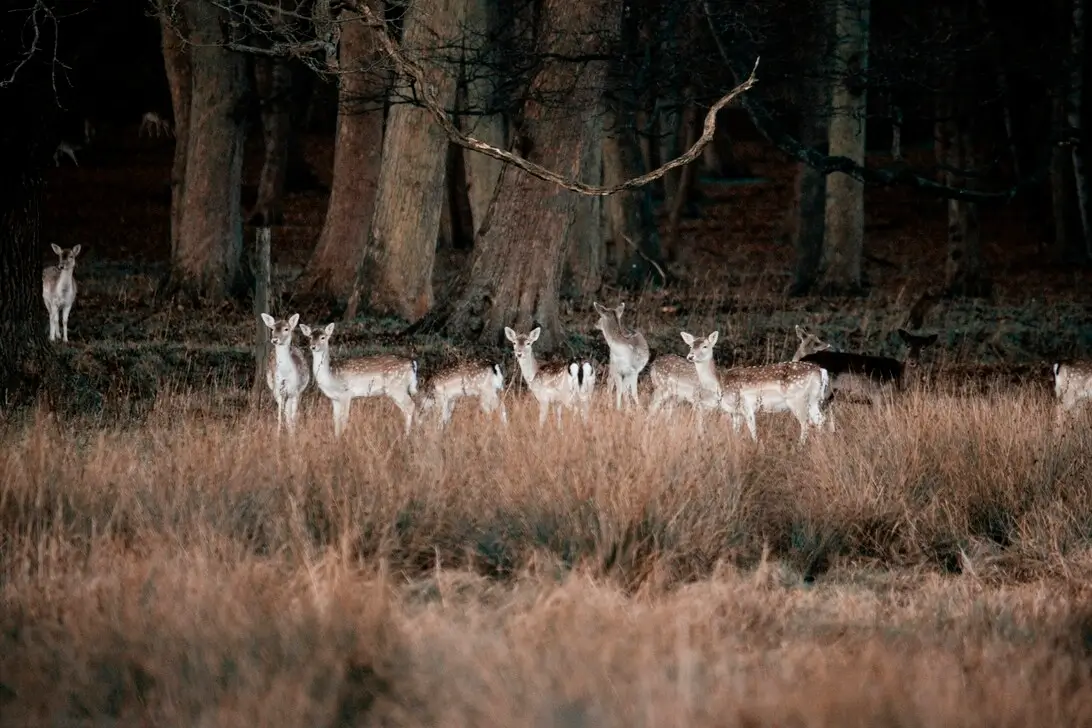
Deer hunting is one of the oldest human skills, connecting people to the natural world in a way few other outdoor activities can. For those stepping into the woods for the very first time, it can feel overwhelming — there are habits to learn, skills to build, and an entirely new language of tracks, terrain, and timing to absorb. But with the right foundation, hunting is both deeply rewarding and surprisingly learnable, even for adults who never grew up around it.
This guide brings together the most practical, widely shared wisdom from experienced hunters, covering the full arc of a successful hunt: understanding deer behavior, choosing your position, making an ethical shot, and preserving the meat afterward.
Education Before Equipment
Before purchasing any gear, the most universally recommended first step is to take a certified hunter education course. These programs — available in virtually every state and province — cover safety, regulations, ethics, and fundamental techniques. They are often required by law before obtaining a hunting license, but their value goes far beyond a legal checkbox.
Hunter education courses give beginners a structured foundation and often connect them with local instructors who can answer questions specific to their region. Many experienced hunters also recommend joining organizations like Backcountry Hunters & Anglers, which offer mentorship networks, community events, and a culture of passing knowledge between generations.
"There is no substitute for getting someone to teach you — it is such a hands-on process that no amount of reading alone can fully prepare you for the real thing."
Finding a mentor is arguably the single most effective shortcut a beginner can take. Local hunting and outdoor shops, gun ranges, taxidermists, and community groups are all good places to meet hunters who may be willing to bring a newcomer along for a season. Offering to help carry game out of the field or assist with processing is a meaningful way to offer value in return for guidance.
Understanding Deer Behavior
Deer are creatures of habit. When food and water are plentiful and conditions are stable, they tend to follow predictable daily routines — moving between feeding areas, bedding zones, and water sources along the same trails day after day. Learning to read this pattern in a specific landscape is what separates consistently successful hunters from those who go home empty-handed.
Water and Food Sources
Whitetail deer stay close to reliable water, especially during warmer months. Streams, ponds, and even drainage ditches attract deer regularly. Similarly, understanding what deer are eating in a given season helps hunters identify where animals will concentrate. Acorns in autumn, agricultural crops at field edges, and browse (young shoots and leaves) throughout the year are all primary food sources depending on location and time of year.
Wind and Scent
Deer rely heavily on their sense of smell — it is their primary defense mechanism against predators. A deer that catches human scent will leave the area immediately. This is why experienced hunters always approach their position from downwind, meaning the wind should blow from the deer's direction toward the hunter, not the reverse. Staying downwind is not optional; it is fundamental.
Key Principle: Always position yourself so the prevailing wind carries your scent away from where deer are expected to travel. Check wind direction before entering the woods and adjust your route accordingly.
Sound and Movement
Deer have excellent hearing and are acutely sensitive to unnatural sounds and movement. Slow, deliberate movement is essential when approaching or settling into a hunting position. Hunters should avoid crunching dry leaves when possible, minimize gear noise, and remain still for extended periods once in position. Patience is not just a virtue in hunting — it is a core technique.
Choosing Your Hunting Position
Hunters typically choose between two main setups: a ground blind or an elevated stand. Each has distinct advantages.
An elevated stand — a platform secured to a tree, typically 10 to 20 feet off the ground — offers several benefits. It puts the hunter above a deer's natural line of sight and helps scatter human scent upward and away. It also provides a clearer field of view over brush and vegetation, and critically, any shot taken from elevation angles downward into the earth, which is far safer than shooting at ground level.
A ground blind, a camouflaged enclosure at ground level, is easier to set up and can be more comfortable for hunters with mobility considerations. It provides excellent concealment but requires more careful scent control since the hunter is at the same level as the deer.
- Set up your stand or blind well before deer season begins so animals habituate to its presence
- Position overlooking known travel corridors, field edges, or water sources
- Clear shooting lanes of branches that could deflect a shot
- Practice getting in and out quietly well before opening day
Shooting Accuracy & Ethical Hunting
Ethical hunting requires that a hunter can make a clean, humane shot. This demands significant practice at the range before ever entering the field. Whether using a rifle, shotgun, or bow, accuracy under calm, controlled conditions is the baseline — but hunters must also be comfortable shooting from awkward positions, in low light, and after sitting still for long periods.
The most recommended shot placement for deer is the vital zone: the heart and lungs, located in the chest cavity just behind the front shoulder. A well-placed shot to this area results in a quick, ethical harvest. Many experienced hunters caution against taking uncertain shots — if the angle is poor or the distance exceeds your practiced range, waiting for a better opportunity is always the right call.
"If you see something particularly impressive, take your time and use the right weapon. There is no award for haste — patience is what puts quality meat in the freezer."
Field Dressing & Meat Care
For many beginners, the moments after a successful shot feel the most uncertain. Field dressing — the process of removing the internal organs from the deer — must happen as quickly as possible after harvest to preserve meat quality. Heat and bacteria are the enemies of venison, so prompt cooling is essential.
The basic field dressing process involves opening the abdominal cavity, removing the organs, and allowing the body cavity to cool. In cold weather, this can happen naturally; in warm conditions, packing the cavity with ice is important. Many hunters use game bags — breathable fabric sacks — to protect the carcass from insects and debris while allowing airflow.
Preserving the Meat
Once field dressed, venison can be processed in several ways. Hanging the carcass in a cool environment (ideally between 34–40°F) for several days allows the meat to age and tenderize. After aging, the deer is skinned and broken down into individual cuts — backstraps, roasts, steaks, and ground meat.
For hunters without access to commercial refrigeration, traditional preservation methods remain viable. Smoking, drying into jerky, and canning are all time-honored approaches that allow hunters in remote locations to store large amounts of venison safely without electricity. A smokehouse — even a simple one — is a valuable investment for anyone pursuing a more self-sufficient lifestyle.
- Field dress as soon as safely possible after harvest
- Keep the meat cool — below 40°F — throughout processing
- Age the carcass for flavor development if temperature allows
- Process into clearly labeled, vacuum-sealed cuts for long freezer storage
- Consider jerky or smoking for portions without freezer access
The Learning Curve Is Worth It
Deer hunting has one of the steeper learning curves of any outdoor skill, and the first season rarely goes perfectly. Experienced hunters across the country agree: the mistakes made early — a missed shot, a spooked deer, a botched approach — are the lessons that make someone genuinely competent over time. The woods are a patient teacher.
What makes hunting unique as a skill is that it demands whole-person engagement: physical fitness for the terrain, mental patience for the waiting, technical knowledge of wildlife and firearms, and a practical understanding of food preservation. Few outdoor pursuits reward the learner so completely — or so deliciously.
Whether your goal is self-sufficiency, a deeper connection to the land, or simply the challenge of learning something entirely new, deer hunting offers all of the above. Get educated, find a mentor, put in time at the range, and step into the woods with curiosity. The rest will come with seasons.